

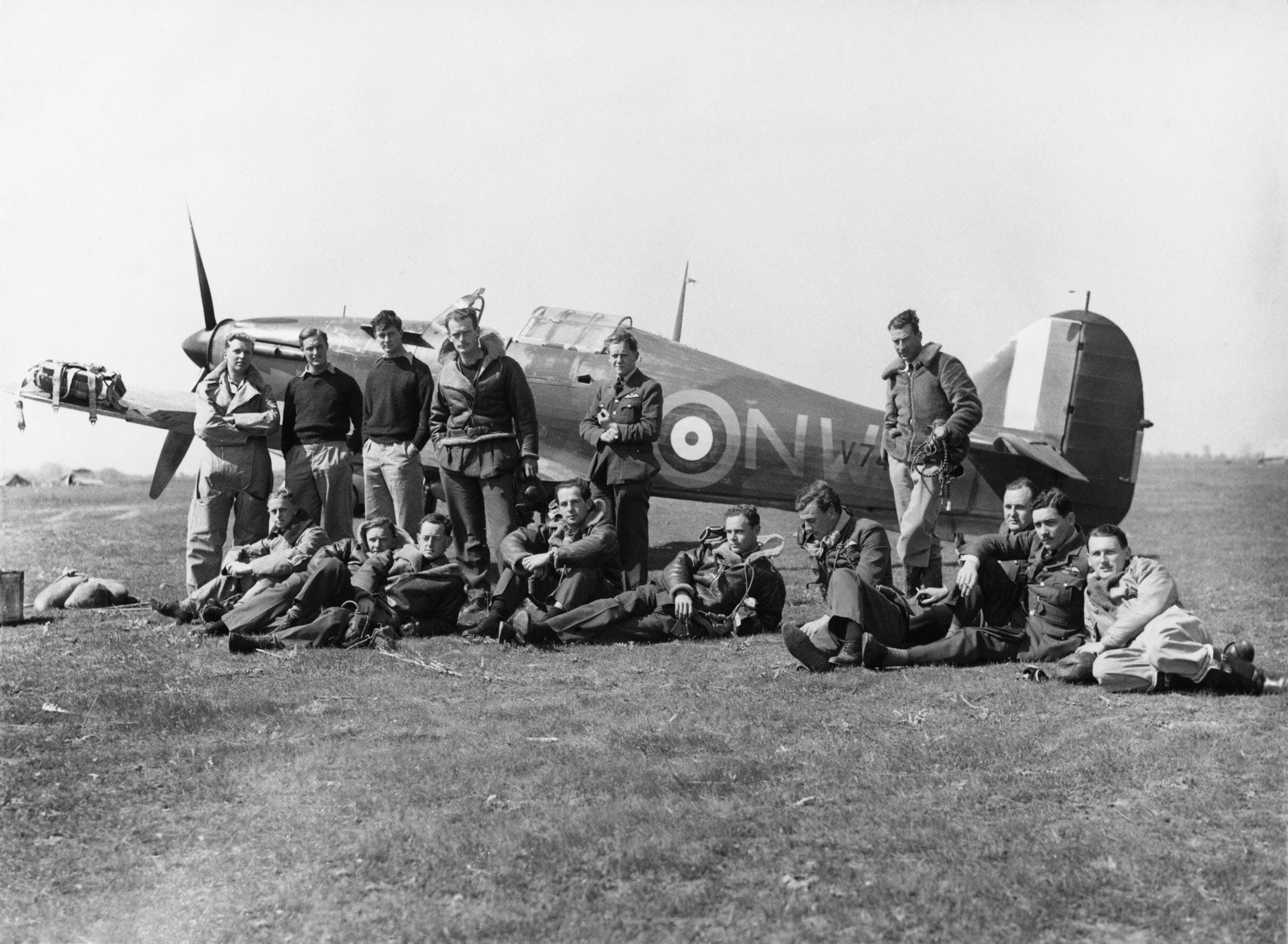
Squadron Leader Edward Howell1 felt that he had a hard act to follow when he took over No 33 Squadron RAF on Crete in mid-May 1941. Only the remnants of the Squadron (along with No 80 Squadron) had been evacuated to Crete from Greece, where the previous Squadron leader, Pat Pattle, had been killed in the Battle of Athens.
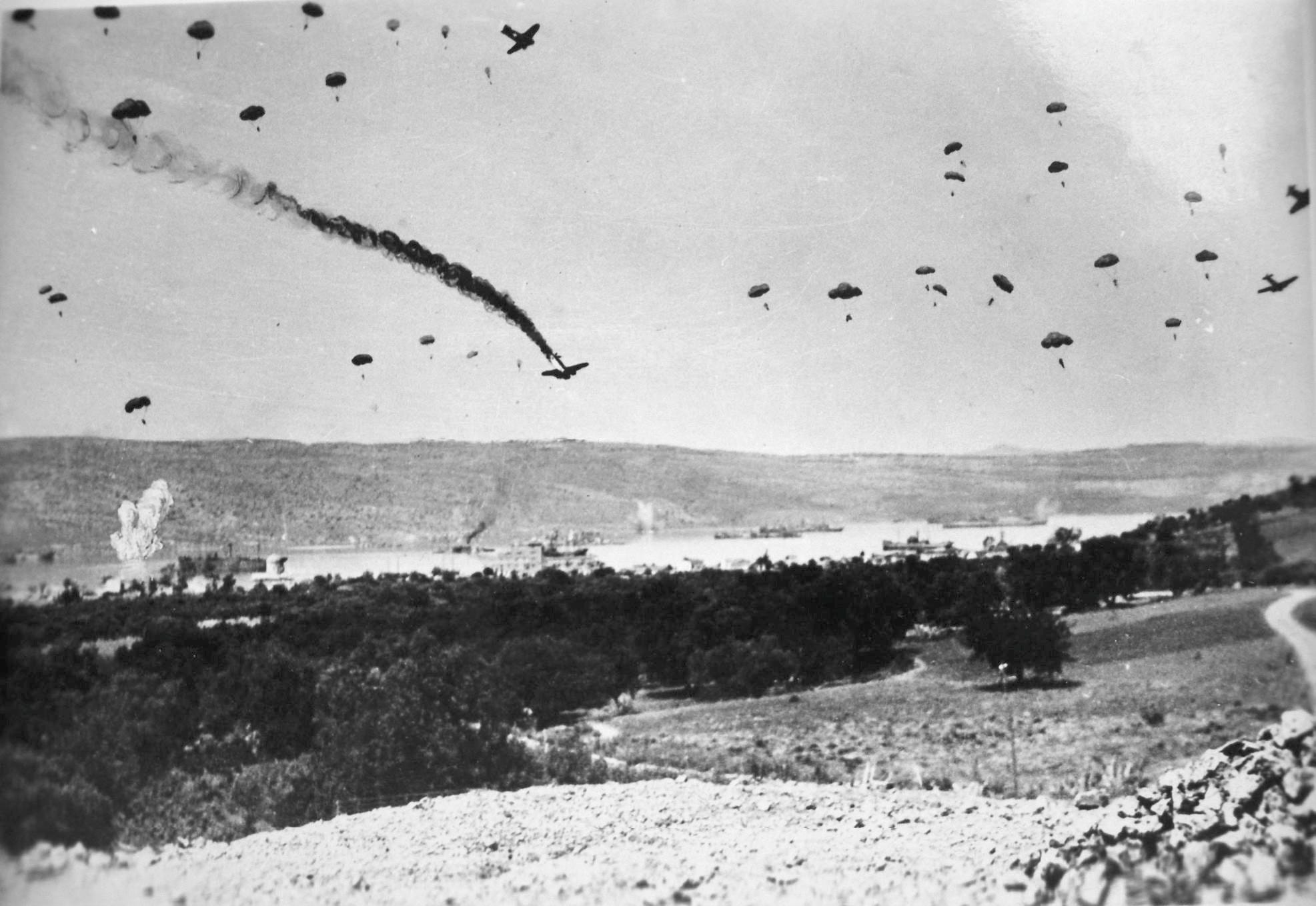
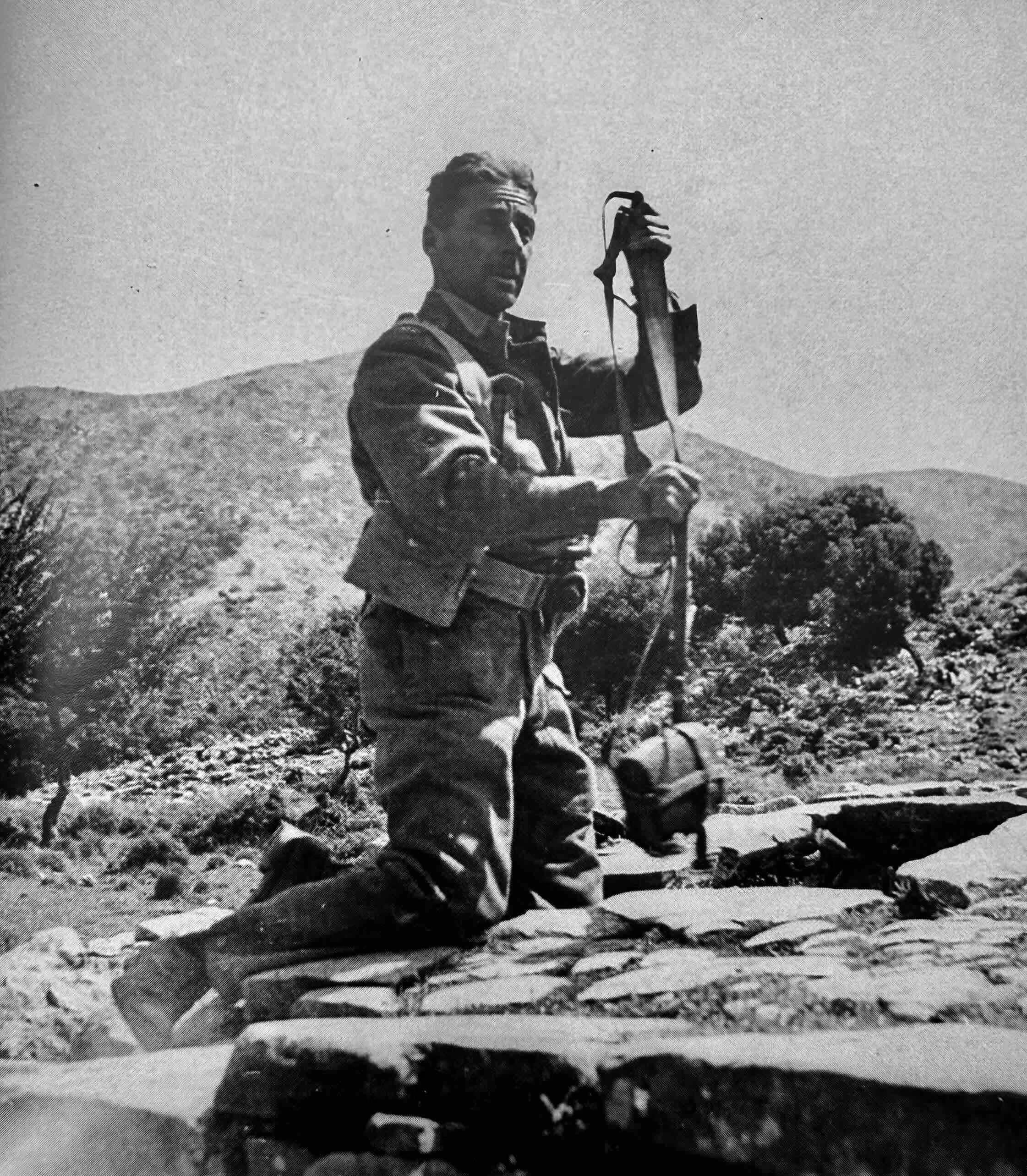
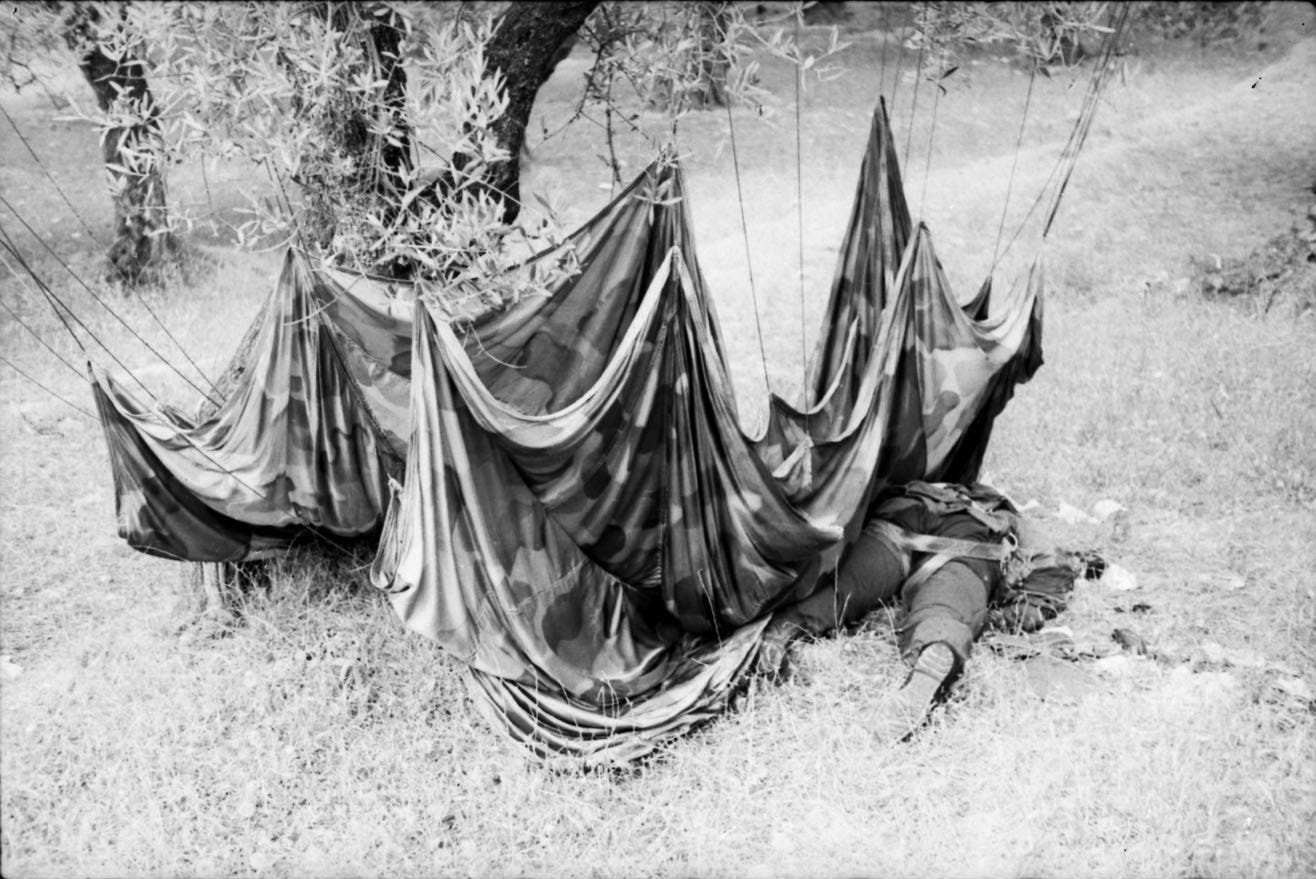
With no previous experience with Hurricanes, Howell nevertheless shot down a German transport and a Stuka divebomber despite being heavily outnumbered during the desperate fighting in the days before the airborne invasion. When the last remaining Hurricane was evacuated to Egypt, Howell stayed to defend Maleme airfield with the remainder of his Squadron and their ground crew. Fighting alongside the New Zealand Infantry, he was badly wounded by a burst of submachine gun fire from a German paratrooper in the opening stages of the assault on 20th May.
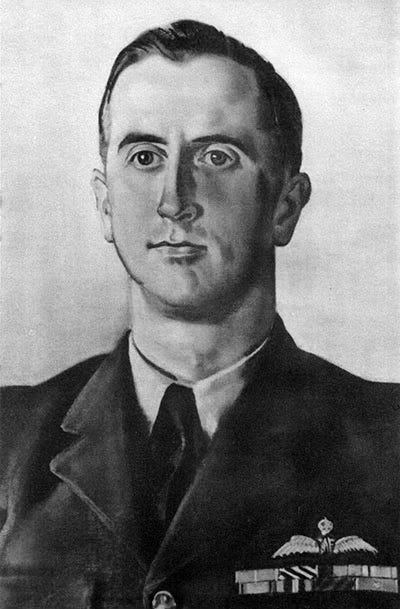
With bullet wounds to his left shoulder and to his right arm, he was entirely dependent on others. He attributed his survival to the fact that the tourniquet on his right arm had only been loosely applied, stemming the heavy bleeding but allowing some blood to flow to the rest of his arm for the five days before he received medical attention. He was then one of the first wounded POWs flown out to Greece:
Every lurch of the lorry moved my arms. The vibration shook the shattered flesh and bones. I cried out. Mercifully I was only partly conscious.
I remember sunny streets seen through a slit in the canvas. Then I was lying on a paved stone floor in the entrance of the prisoner-of-war hospital. Someone asked in English for my name. As I was speechless, they looked at my bloodstained identity discs. I was carried away.
Weeks later, I was to discover that my desert boots which had been tied to my stretcher had been stolen with my stockings and wallet. I was left wearing a pair of blood-soaked shorts, and my identity discs.
But the ordeal was very far from over. There was no pain relief and little food. Breakfast was half a slice of brown bread and a mug of ‘ersatz coffee’.
Lunch was the next great event. It consisted of a plate of hot “soup.” This thin washy water had beans floating in it and sometimes a trace of horse meat. With it, we would have another half-slice of bread. Usually it would be dry bread as we were only allowed one helping of white lard each day and this was most often reserved for the evening meal.
Sometimes I slept when the pain was less acute than usual.
The “specials,” like myself, who were seriously ill, could have some coarse rice pudding to feed us up. I always accepted this and passed it on to Butch [a fellow patient who was nursing him] who had a healthy appetite and was able to get it down. I would eat a few grapes in lieu.
The afternoon was a time for rest. The healthier patients went out on to the flat roof where they lay in the sun reading or dozing. I just lay. Sometimes I slept when the pain was less acute than usual. I had a fever for those first three months which did not drop below 100 degrees and went as high as 104 degrees at times. It made one content just to lie quietly. There was no energy to spare for any other activity.
Howell estimated they were on a daily diet of around 1200 calories. He was grateful for the Greek Red Cross's efforts to provide them with some extra food, but regular Red Cross parcels from home did not arrive until September.
The prolonged starvation diet weakened everybody. Those who were fit found that they got tired quickly; those who were ill made slower progress than they should have; those who were very ill died. Symptoms of beri-beri, which is a deficiency disease, appeared; legs became weak and the joints swollen.
And hunger has a psychological as well as a physical effect. Tempers became short; men became angry over trifles. A fight nearly developed one day because one man had been given a slightly smaller slice of bread than his neighbour for two successive meals. And there was a commotion because it was thought that we were being given less food in our ward than on the other wards.
It was not until September that Howell began to recover, after another emergency operation. The following year, he was to make an extraordinary escape from a hospital and an epic journey across the Greek mountains to freedom in Turkey. He would later retrace his steps for a BBC series titled ‘Deliverance’, which is now seemingly unavailable. Returning to RAF duties but unable to fly after losing part of his right arm, he made a distinguished contribution to the preparations for D-Day. He was awarded the US Legion of Merit2 in 1945.
Wing Commander Edward A Howell, OBE, DFC, Greek Flying Cross, US Legion of Merit (1912-2000)
Part of the Battle of Crete sequence:
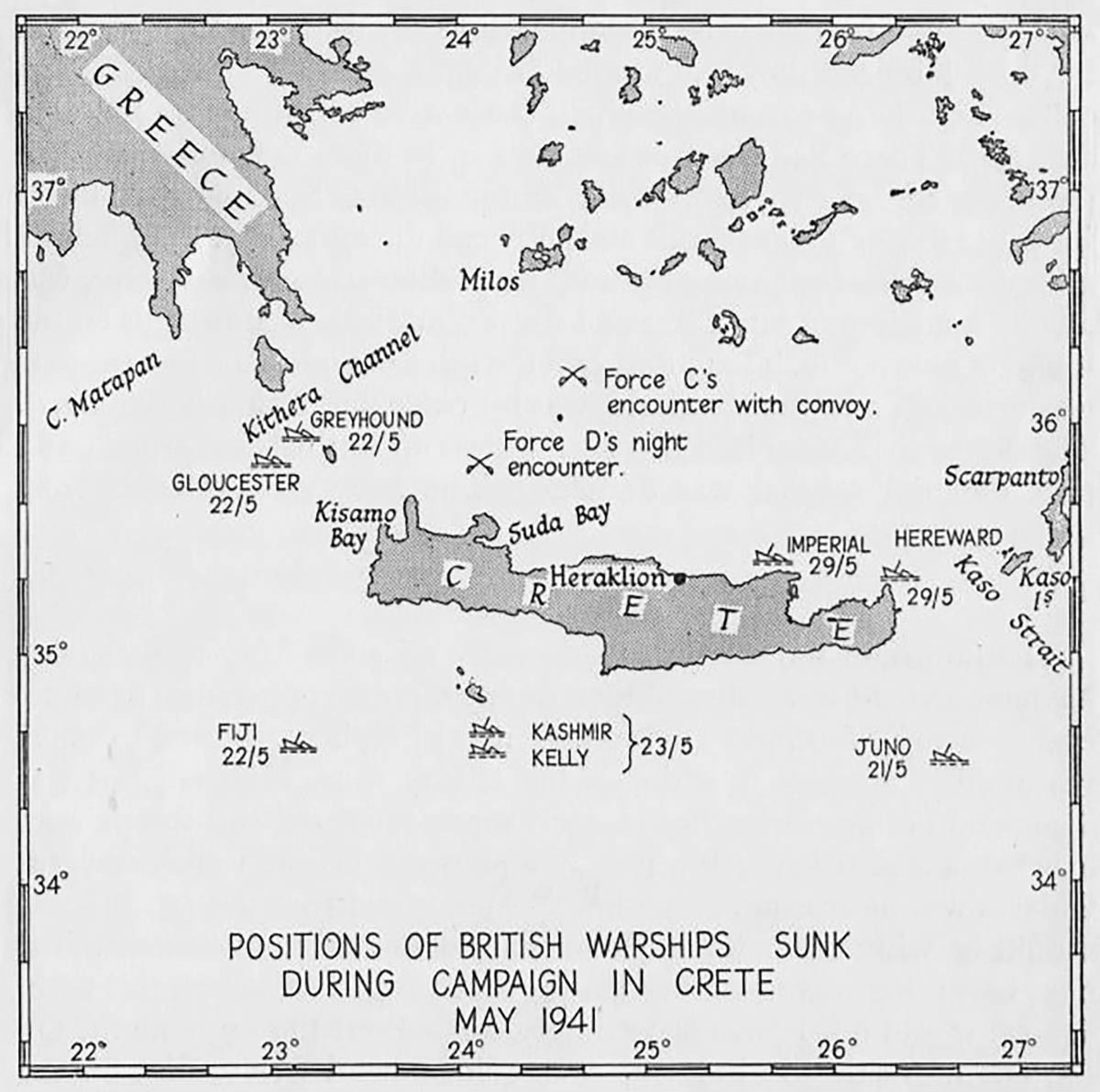
29th May 1941: Many men who have survived the battle die during the evacuation by sea
What an incredible story. Thank you for sharing it!