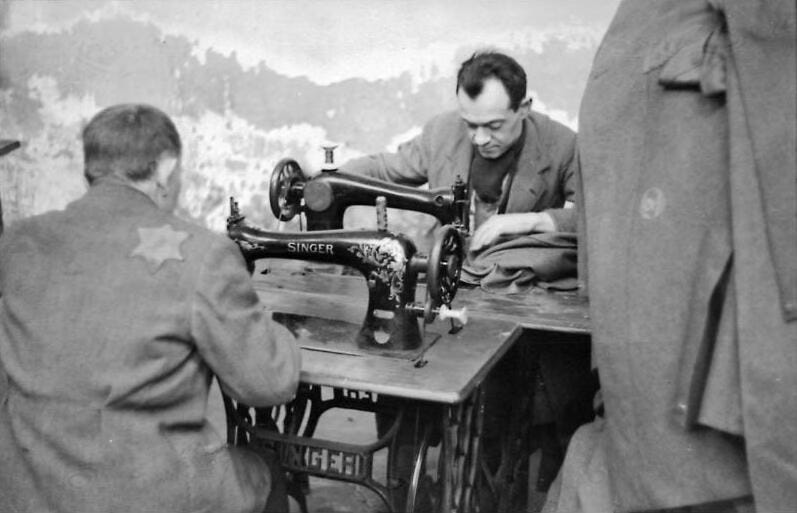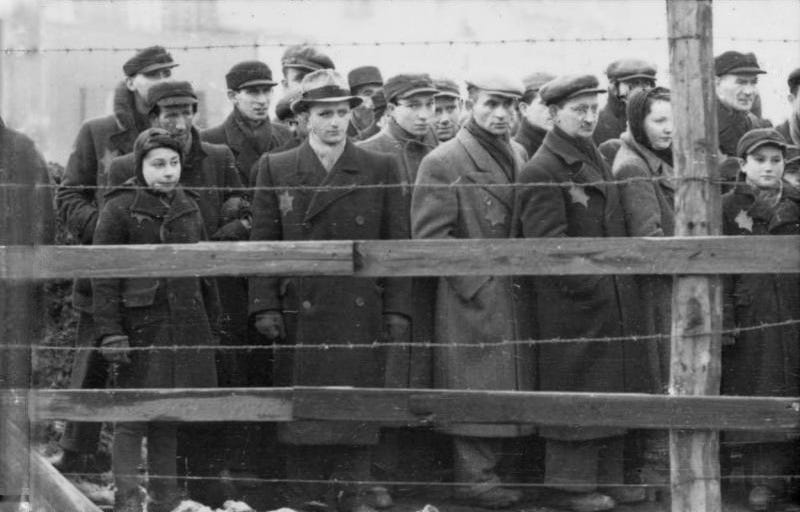
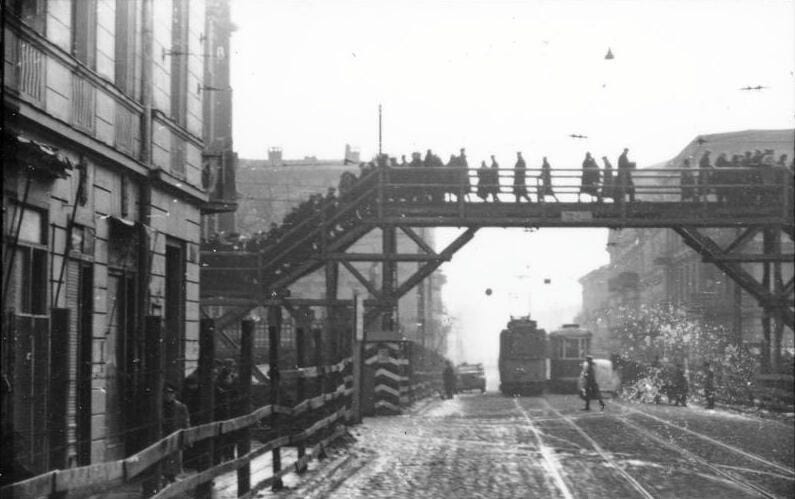
Inside the Lodz ghetto, established in Poland’s second largest city in March 1940, the once prosperous Jewish population were being reduced to ever greater destitution. Food supplies were always tightening, and as the winter's cold took hold, deaths began to rise sharply.
A small group, led by journalist Julian Cukier, maintained a collective diary known as the Chronicle of Lodz1. They kept six simultaneous copies, conscious from the very start that their work was ‘for the record’, yet many of their entries are written in a newspaper style. And so the story of the attempted extermination of an entire people slowly unfolded:
14th January
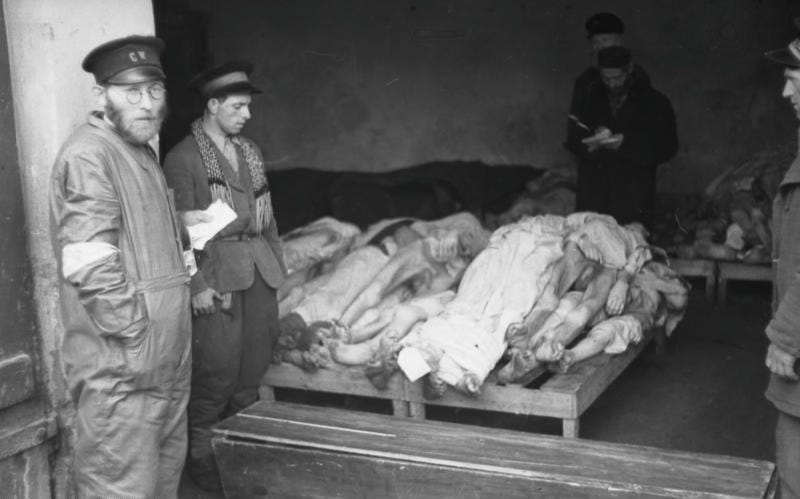
‘You can’t die either these days,’ complained a woman who had come to arrange formalities in the mortuary office in connection with the death of her mother. There is nothing exaggerated about such complaints if one considers that, with the current increase in the death rate, a minimum of three days’ wait to bury the dead, sometimes even ten days, has become an everyday occurrence.
The causes of this abnormal state of affairs are worth noting. There are scarcely three horses left in the ghetto to draw the hearses, a totally inadequate number in view of the current increase in the death rate. Several times, there was such a ‘backlog’ in the transporting of bodies to the cemetery that, out of necessity, a sideless hauling wagon had to be pressed into service and loaded with several dozen bodies at the same time.
Before the arrival of the current frosts, when the death rate in the ghetto did not exceed 25 to 30 cases per day (before the war the average death rate among the Jewish population of the city amounted to six per day), there were 12 gravediggers employed at the cemetery. Today there are around 200. In spite of such a horrendously large number of gravediggers, no more than 50 graves can be dug per day. The reason: a lack of skilled labor, as well as problems connected with the ground being frozen. And this causes the macabre line to grow longer.