
World War II Today

World War II Today

'You do your worst – and we will do our best.'

14 July 1941: Churchill warns that the current lull in the Blitz may only be temporary - as he prepares Britain for worse to come

Jul 14, 2026
∙ Paid
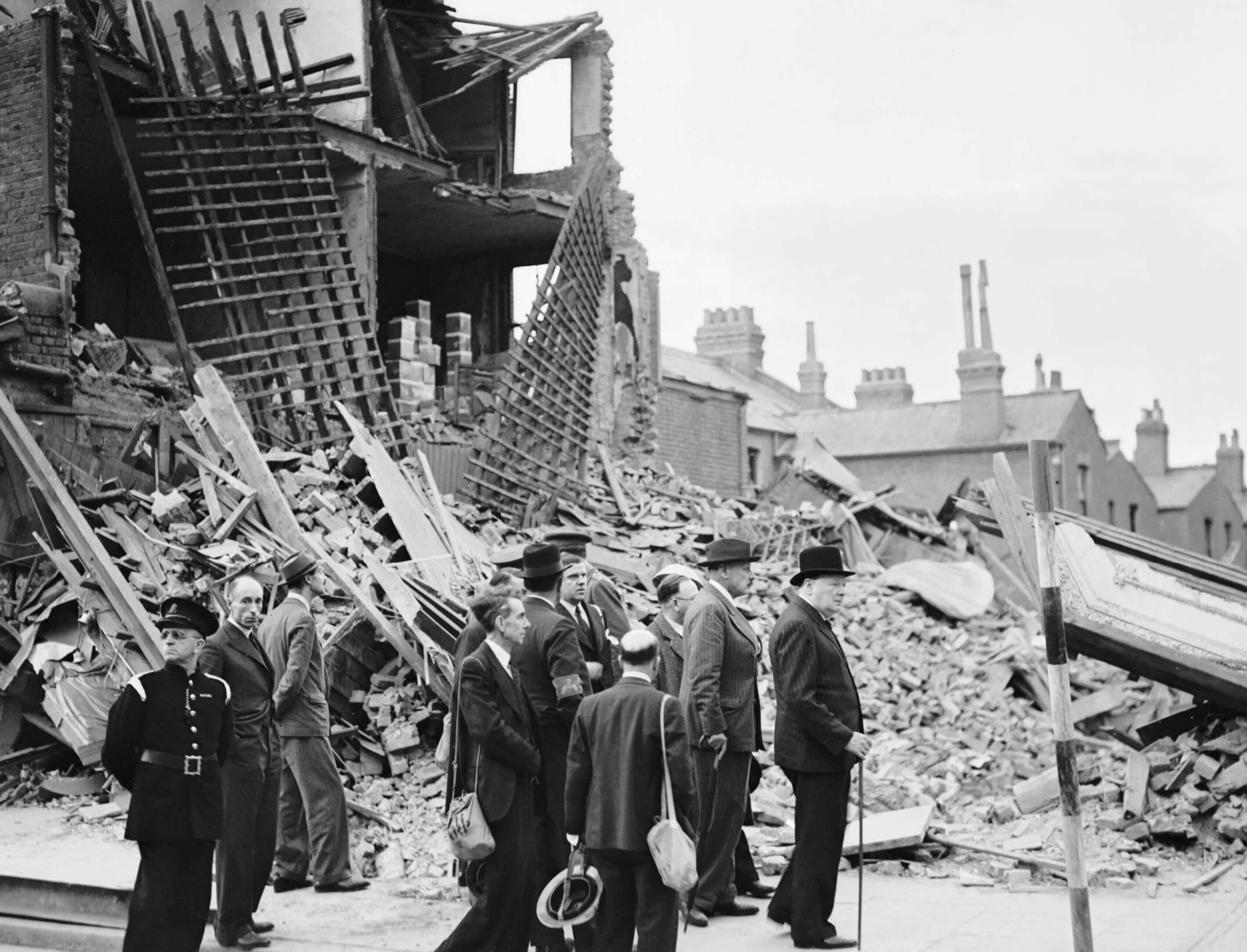
On 8 September 1940, the day after the Luftwaffe’s first major raid on London, Prime Minister Winston Churchill visits the bomb-damaged East End. In a later speech, he would remark ‘What a triumph the life of these battered cities is, over the worst that fire and bomb can do!’
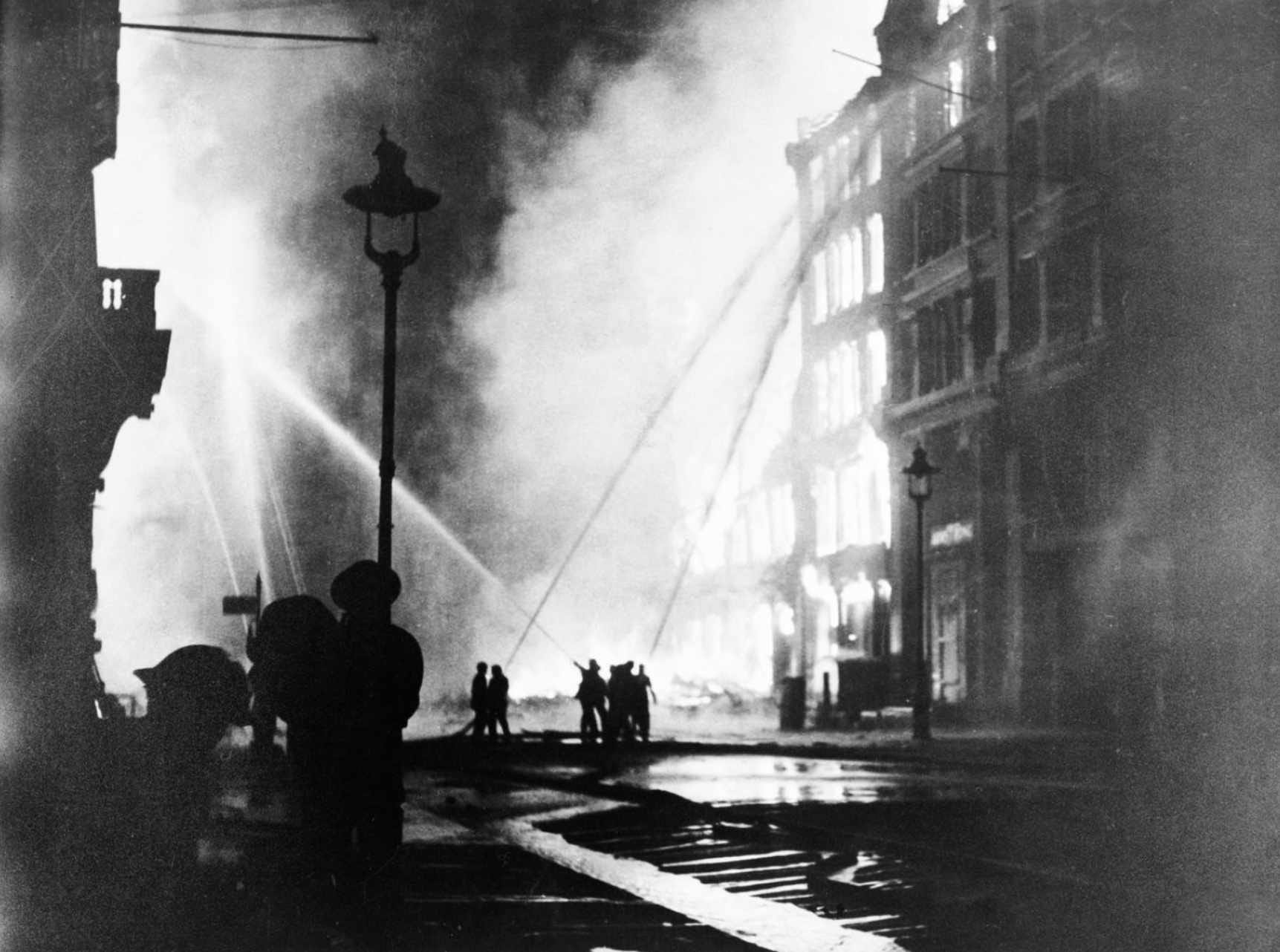
Members of the London Fire Brigade train their hoses on burning buildings in Queen Victoria Street, EC4, after the last and heaviest major raid mounted on the capital during the 'Blitz', 11 May 1941. For six hours on the night of 10-11 May 1941, aircraft of the Luftwaffe dropped over 1,000 tons of bombs on London, claiming 1,486 lives, destroying 11,000 houses and damaging some of the most important historical buildings, including the Houses of Parliament, the British Museum and St James Palace. The low tide and more than 40 fractured mains deprived the firefighters of water, and many of the 2,000 fires blazed out of control.

Churchill knew as well as anyone how devastating the Luftwaffe raids on Britain had been. He had toured the country and had seen for himself. He saw the daily statistics of death and injury. He knew that the toll on the country’s heritage had been enormous. He also suspected that much more was to come. Many in the West did not believe that Soviet Russia could withstand the Nazi onslaught - and that she would soon buckle under, like every other country on mainland Europe. There would be little to distract the Luftwaffe from raids on Britain after that.

But Churchill understood that there was nothing to be gained by complaining. Hitler’s overall strategy was ‘Terrorangriff ’- terror attacks. Admitting that people were terrified by the attacks was merely playing into Hitler’s hands. There had been some suggestion of this in the House of Commons on the 7th May, when the former Prime Minister Lloyd George was seen as being ‘gloomy but realistic ’ when he warned of being starved and defeated.

But Churchill’s instinct was always to counter with fighting talk. There could be no admission of weakness. He had built a narrative of defiance from the very beginning - and it was a message that had to be sustained.
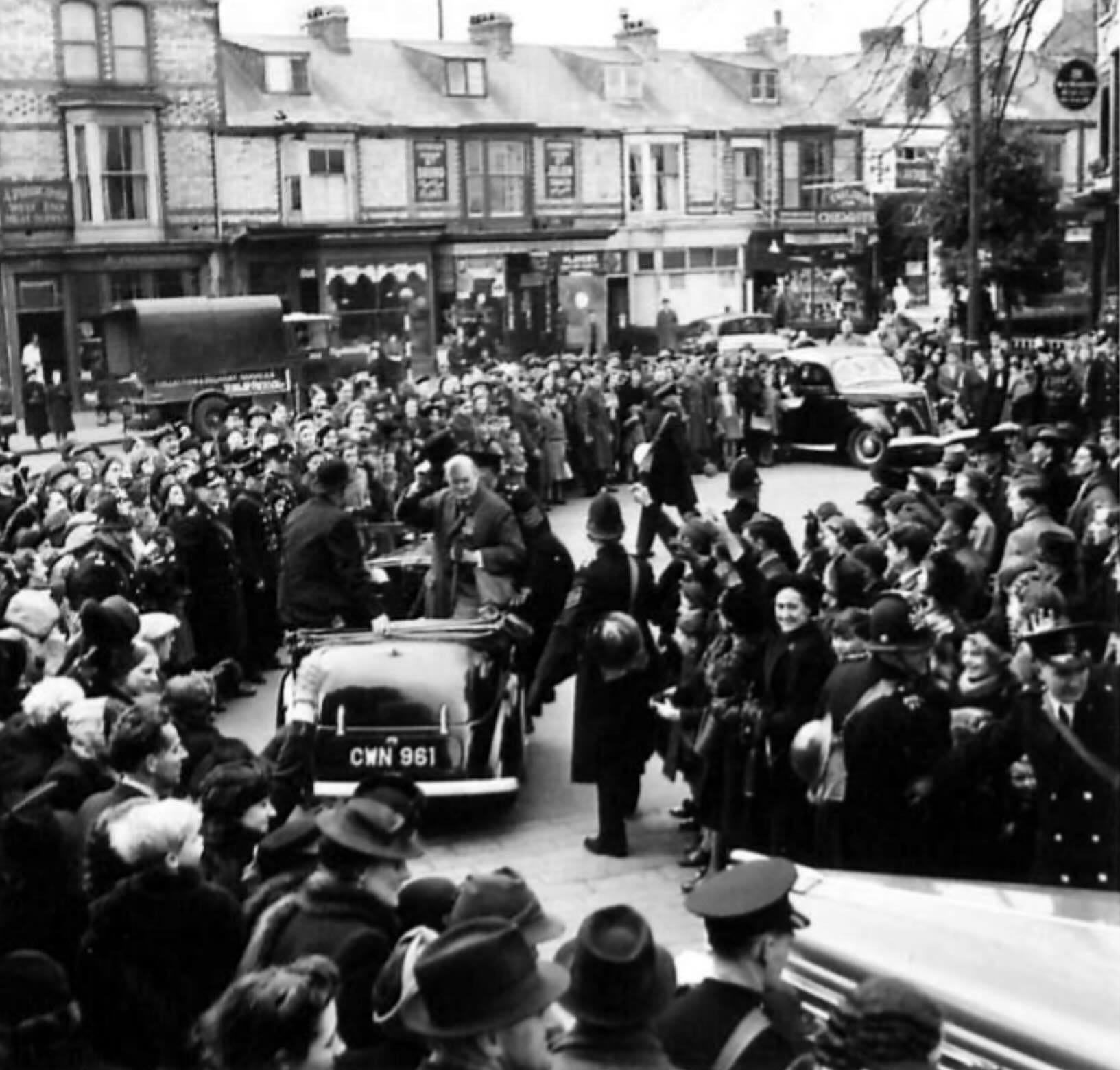
Churchill’s defiant attitude was very popular - and he was greeted by enthusiastic crowds across the country even when visiting soon after the worst raids. In April 1941 ‘Mr. Churchill made his tour perched on the back of a car. Here he is seen acknowledging the cheers of the crowd at Swansea.’
User's avatar

Continue reading this post for free, courtesy of Martin Cherrett.

Or purchase a paid subscription.
© 2026 Martin Cherrett · Privacy ∙ Terms ∙ Collection notice
Start your SubstackGet the app
Substack is the home for great culture