

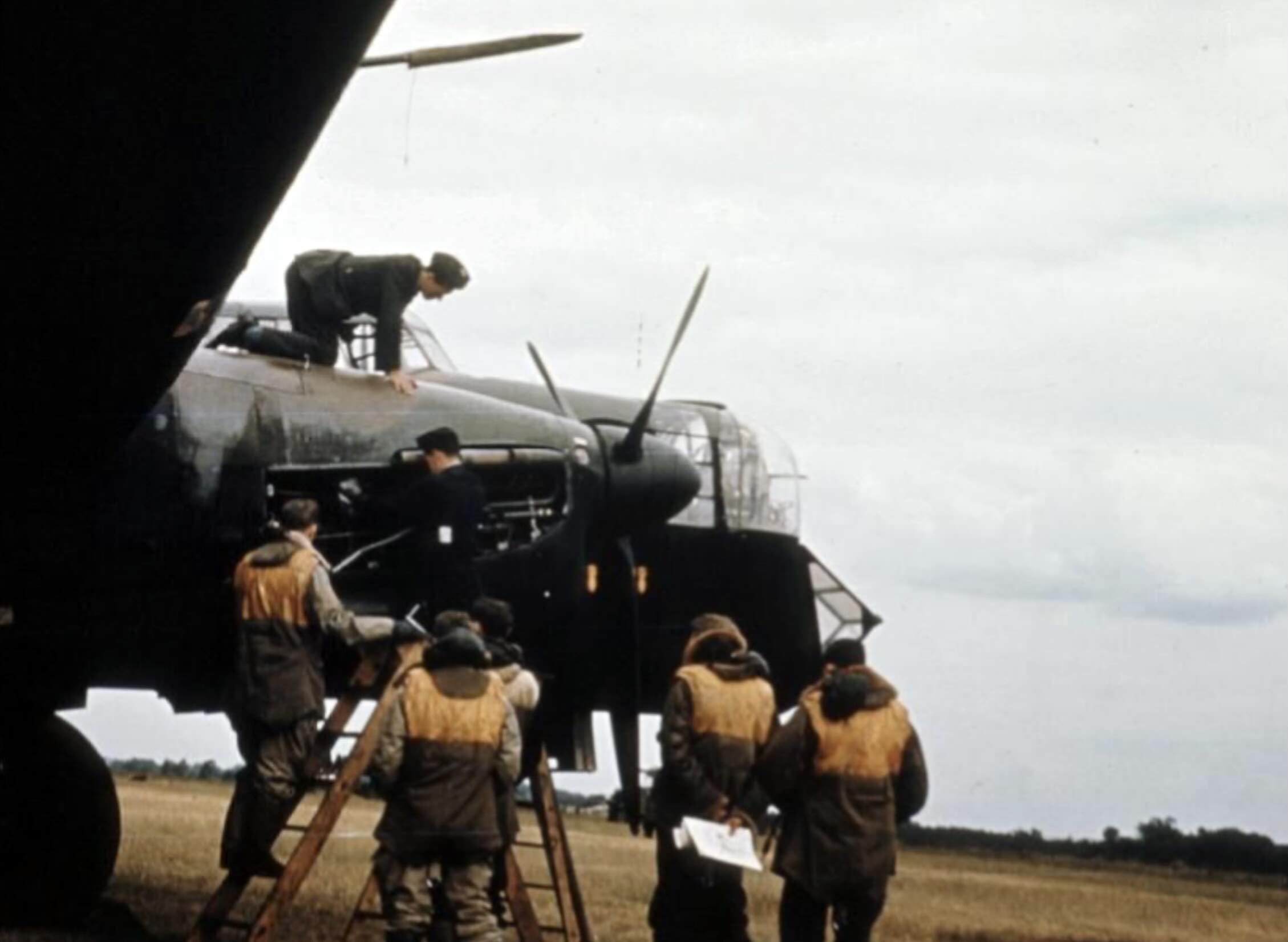
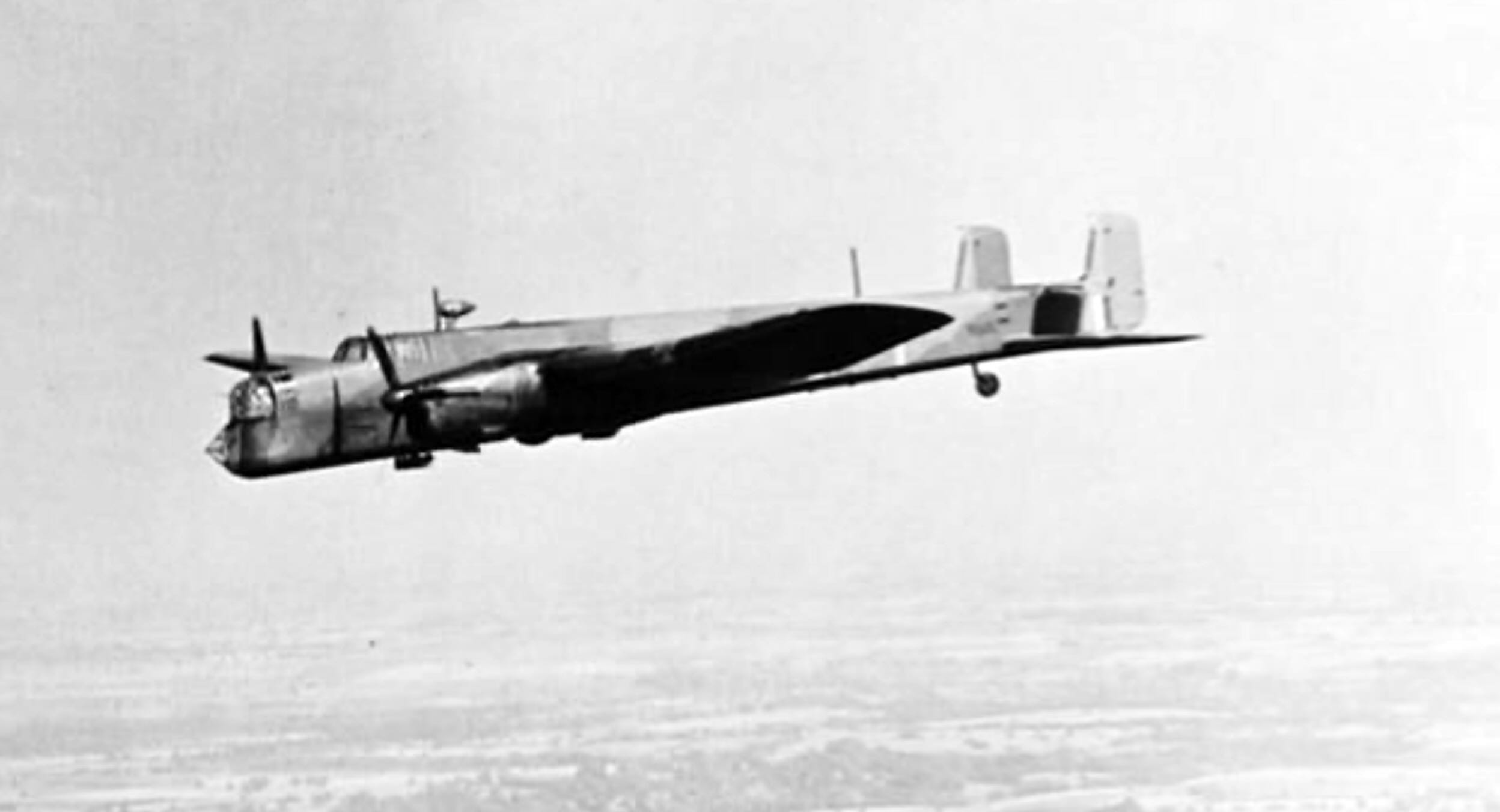
As Britain continued to suffer from widespread bombing raids, it was considered essential that RAF Bomber Command should ‘hit back’. The bombing fleet still consisted mainly of nearly obsolete two-engined bombers, the Whitley, the Hampden, the Wellington, and the ill-fated Manchester (which operated for only 10 months in 1941 before being withdrawn because it was essentially unsafe to fly). The limited range and payload of these aircraft meant that Bomber Command was not making a significant impact on the Nazi war machine, certainly not impeding its preparations for Barbarossa.
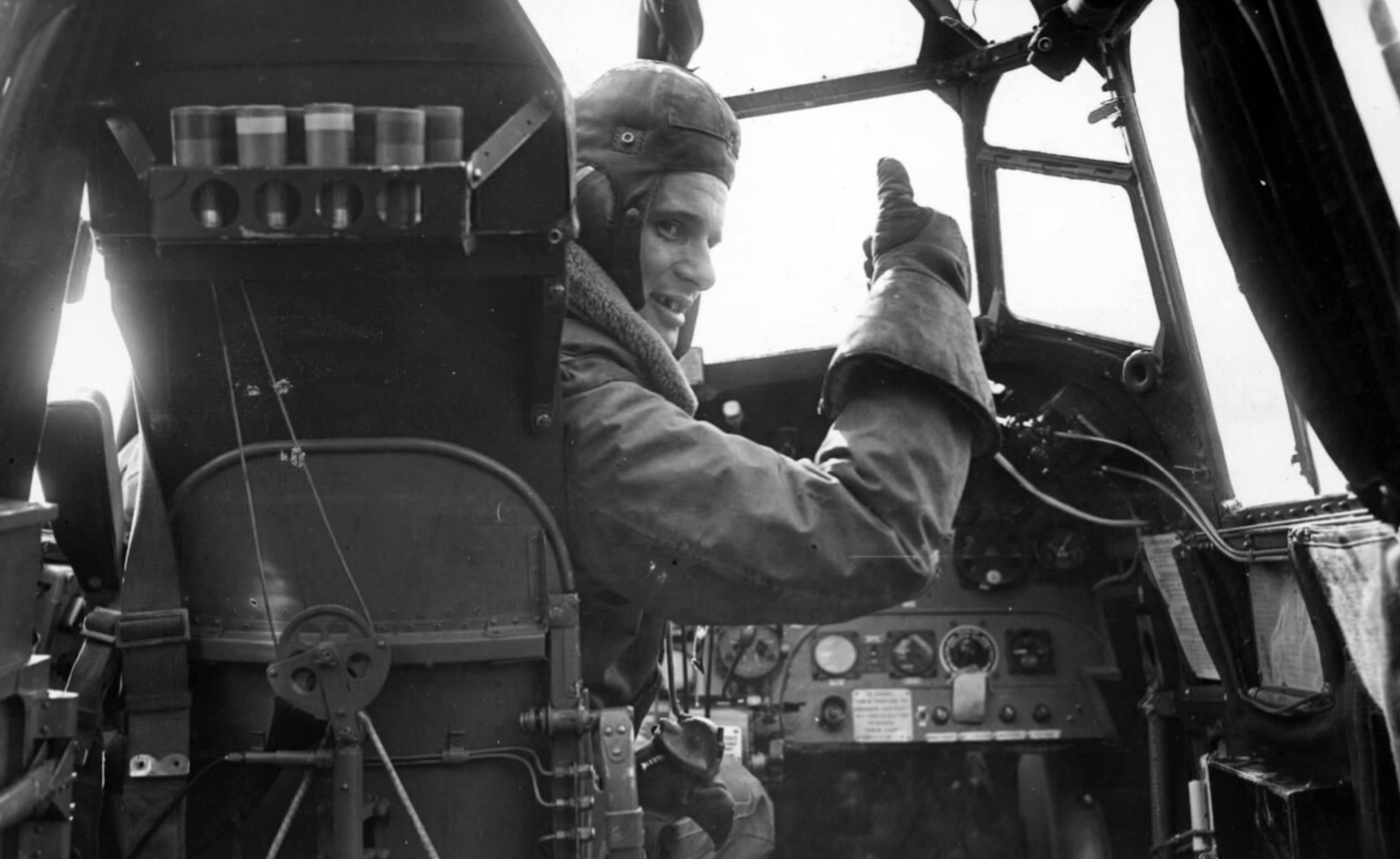
But the RAF were on a steep learning curve, and the lessons learnt during this phase of the war would be vital to later operations. Despite the manifest dangers, there was no lack of courage amongst the flying crews of RAF Bomber Command, and some men were coming back for a second tour of duty.
Martin W. Bowman has had a long career collecting the reminiscences of aircrew from both Britain and America after the war, and is credited with over 100 published titles. The following excerpt comes from Volume 1 of Bomber Command: Reflections of War, first published in 2011. The first episode comes from this period, the second from the night of 2nd/3rd June 1941:
Throughout that spring, summer and autumn, Bomber Command operated mainly against Bremen, Cologne, Kiel, Munster and Mannheim.
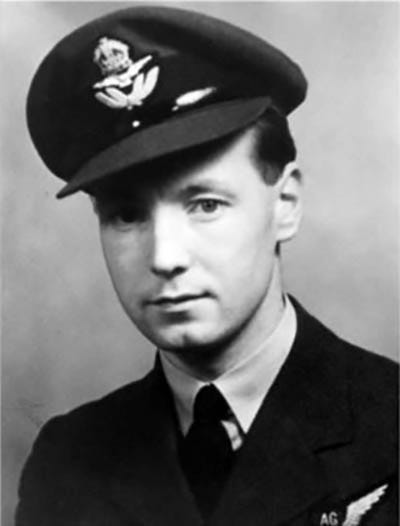
Flight Sergeant George P Dove, an air gunner on 10 Squadron, recalls:
We were at RAF Leeming in 1941 with Whitley Vs and were briefed that if our primary or secondary targets could not be found, any target of opportunity could be bombed. Despite the good met forecast, we found ourselves in 10/10ths cloud and any hope of finding either target was soon dashed. After sniffing around for an hour looking for a break, the Skipper called up and said ‘that’s it; we’ll head North West over Holland and home’.
The thick cloud persisted until we were well over Holland when it suddenly cleared and there, right ahead of us, was an airfield fully lit-up, with aircraft circling with nav lights on. The navigator said it was Schiphol and it was the Luftwaffe doing circuits and bumps. It was at this point that our pilot, who was a pre-war regular and very much a press-on type, decided to switch on our nav lights and join the circuit.
The runway controller was flashing us a persistent green to come in.
Picture a Whitley in the circuit with assorted Luftwaffe aircraft over a German airfield. We must have arrived towards the end of the night’s exercise because one by one the aircraft landed until we were the only one left in the circuit. The runway controller was flashing us a persistent green to come in.
The pilot called on the intercom, ‘I am going to do a long downwind leg, then come back over the hangars low and fast. Navigator, drop the bombs on the hangars and rear gunner spray the airfield as we pass.’
As we sped out to sea, I gave a running commentary on what was happening. All the lights went out at once, bursts of flak, searchlights and red flares - all too late, we were well on our way home.
On the night of 2/3 June, the target was Düsseldorf. Cloud conditions prevented accurate bombing, and only 107 aircraft out of the 150 bombers dispatched claimed to have bombed. Two Hampdens and a Whitley were lost.
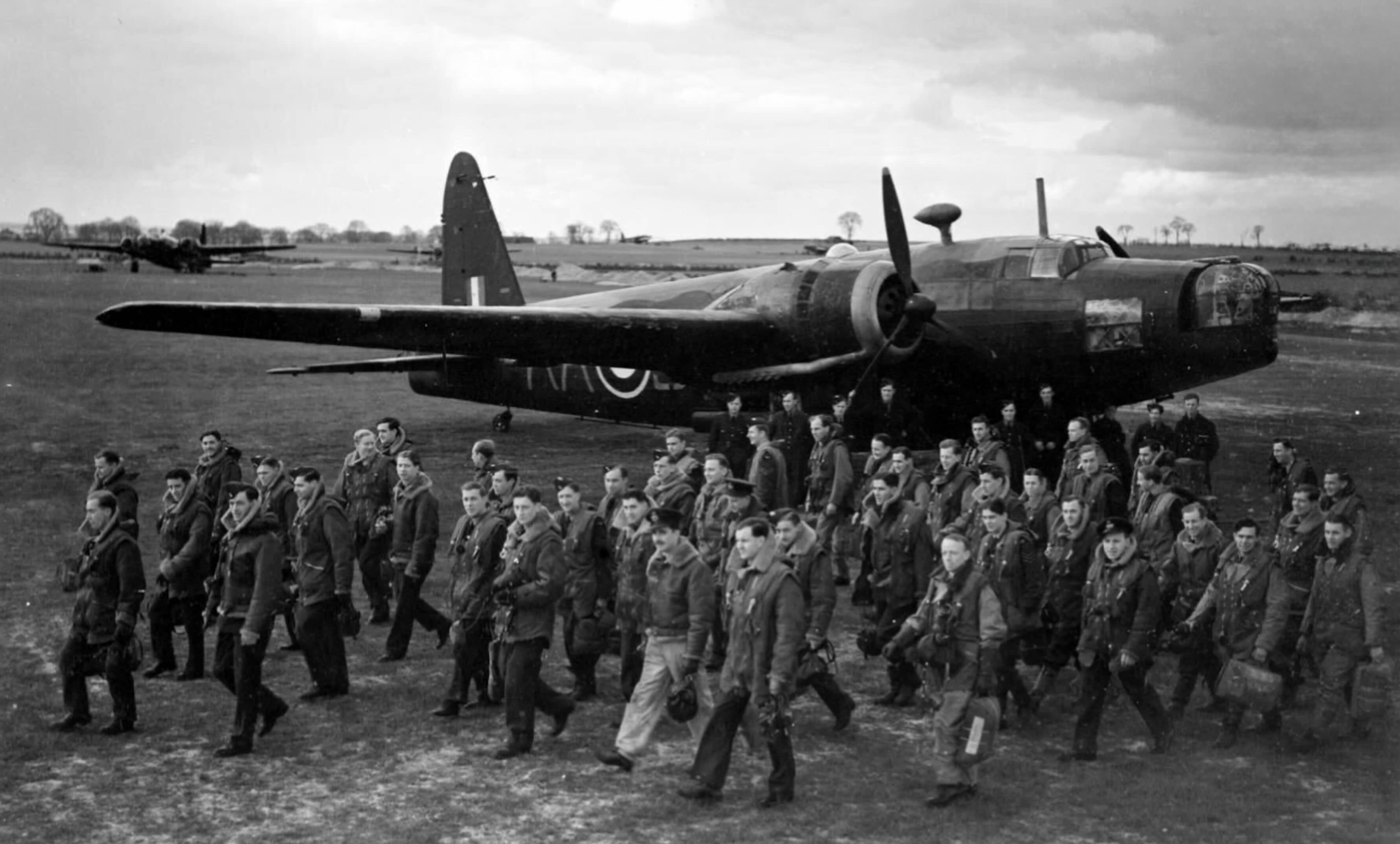
Squadron Leader Fred J ‘Popeye’ Lucas from South Otago, a Wellington pilot and ‘A Flight’ commander on 75 New Zealand Squadron, did not remember feeling ‘superstitious’ about the start of a second operational tour but there were times in the trip when he thought that they were going to provide another statistic.
It was probably one of the worst he experienced in over 81 night operations over Germany. He had completed his first tour of operations, having done 37, on 23/24 September 1940 on the operation to Berlin and had then been posted to an OTU at Hampstead Norris.
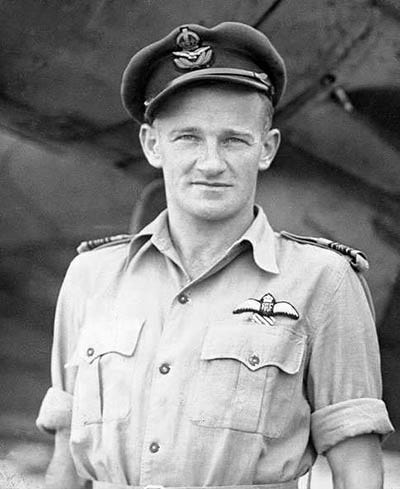
His facial resemblance to the famous cartoon character ‘Popeye’ became even more pronounced when he removed his false teeth. His gumminess was the legacy of his determination to become a pilot after being turned down by the RNZAF because of his poor educational background. Undaunted, ‘Popeye’ Lucas had sailed to England as a deck hand and the RAF accepted him on condition that he had his teeth fixed.
A lump of shrapnel the size of a fist, sliced through where my neck had lately been …
After his return from Dusseldorf, to his log-book entry he added the words:
‘Thirty-four holes in aircraft - a write off.’ At the target, all hell was let loose on our first run in. We were thrown all over the place and my navigator, Dave Florence, said, ‘It’s a dummy run - go round again.’ The second run was just as bad but we got our bombs away before something hit us with a terrific ‘whammrn’ followed by a further ‘whumff, whumpp’ after which we couldn’t close the bomb doors.
It was like an inferno; the Wellington was taking hits from all sides, with shell flashes and tracer zipping by and searchlights probing everywhere. The port motor was struck and started a fire, which luckily, went out. Our hydraulics were shot away and the red light showed the undercarriage was down. I leaned forward to adjust the gyro compass and at the same instant heard an eerie ‘sw-i-i-sh’ behind my neck, followed by a rush of cold air. A lump of shrapnel the size of a fist, sliced through where my neck had lately been and exited through the other window.
… it was more shrapnel passing through the sleeve on my overall.
Something plucked at my sleeve and I turned to see what my second pilot, Tim Williams, of Hawkes Bay, otherwise known as ‘Scruffy’, wanted but it was more shrapnel passing through the sleeve on my overall.
The Wellington made it across the Dutch coast and to England where Lucas was told to divert to Newmarket because Feltwell had just been bombed. The port engine was virtually seized up and fuel critically low. With the fuel gauges reading zero ‘Popeye’ Lucas prepared to run straight in for a landing on the long grass runway at Newmarket Heath but control told him to go round again because they had a Stirling coming in on three engines and it had priority. ‘Lucky bastard’ Lucas retorted; ‘We’ve only got one.’
It fell on deaf ears. Fortunately ‘Popeye’ Lucas was familiar with the airfield and could find a place in the dark, well away from the flare path where he could get down - quickly. His Wellington floated interminably until at last, as their remaining engine finally cut, he touched down. A few minutes later Control came on again: ‘You are free to land now.’
As we lounged on our parachutes under the wing of the aircraft, waiting for transport, ‘Scruffy’ Williams whose first trip this had been, was lying relaxed on the damp grass, his head on his parachute, chewing a blade of grass. ‘Gee’ he mused. ‘If all the trips are like this one, it won’t be so bad...’
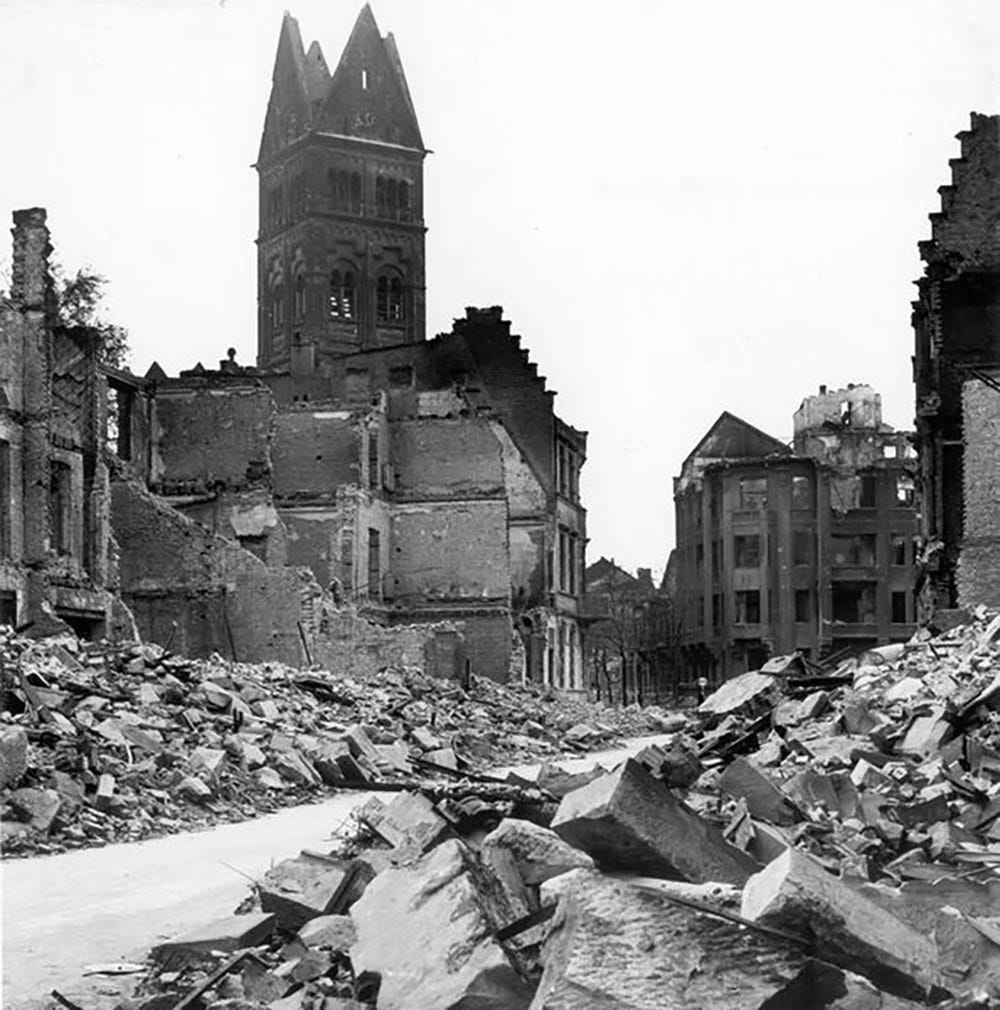
© George W. Bowman 2011, ‘Volume 1 of Bomber Command: Reflections of War’. Reproduced courtesy of Pen & Sword Publishers Ltd. NB The above images are not from this volume.
