

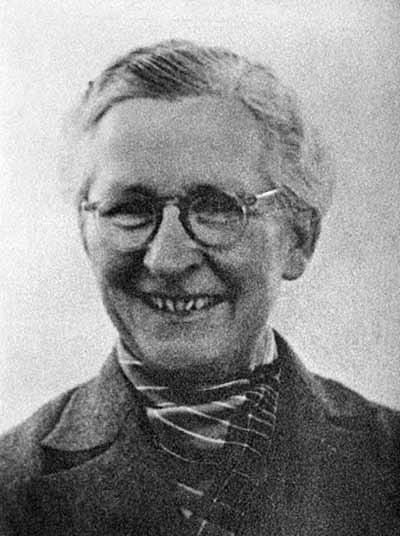
This news moved me so deeply that I began to cry. We were not free anymore. That was because - Oh, we understood it all so well now - of the betrayal of our own people. We could not believe it, and yet it was so.
Everyone was glad that our soldiers would be spared death. But still, to become a part of Germany was terrible. What will the future bring? Poverty for our country. A dark time, and an uncertain future.
It was as if there was a death in the family tonight. Everyone who comes in is quiet and anxious. I cannot feel relaxed; I just keep hearing the word “betrayal.” We might not have succeeded against such a powerful enemy, but still this betrayal is so vile, it is odious.
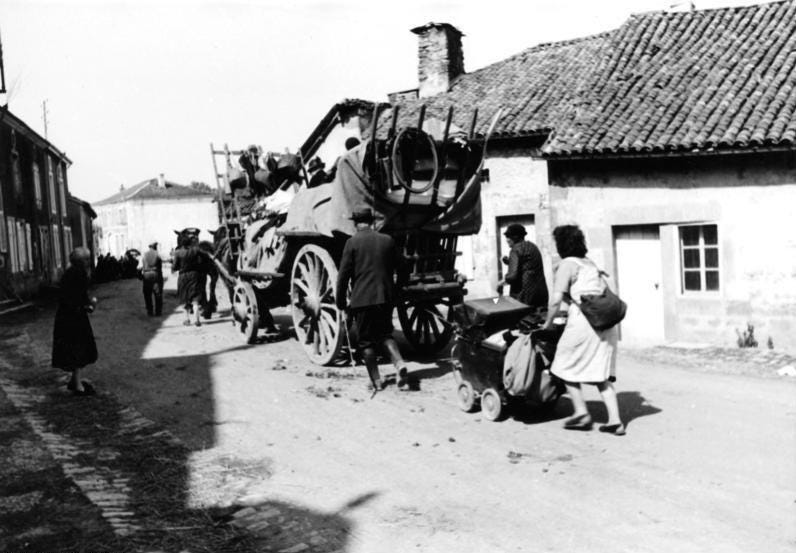
13th June: Bessy Myers is an ambulance driver working for the British Red Cross in France:
Kruger tells Darby and me that there are enough ambulances to take the wounded to Sens, and we had better go straight to H. Q. at Saint-Valérien. Le Maire asks us to stay put; he wants us to take one grand blessé and two semi. Our wounded are put in; one of the nurses, whose name I never learn, but who is always called Mademoiselle, comes in front with us. See various ambulances and people in the dark — there is a lot of shouting to find out who's who — we are off. Darby drives, and we follow Kruger. After twenty-four hours of more or less continuous driving feel very sleepy and doze off — to be waked up by the word "Halt!" I open my eyes to find I am gazing at a German soldier.
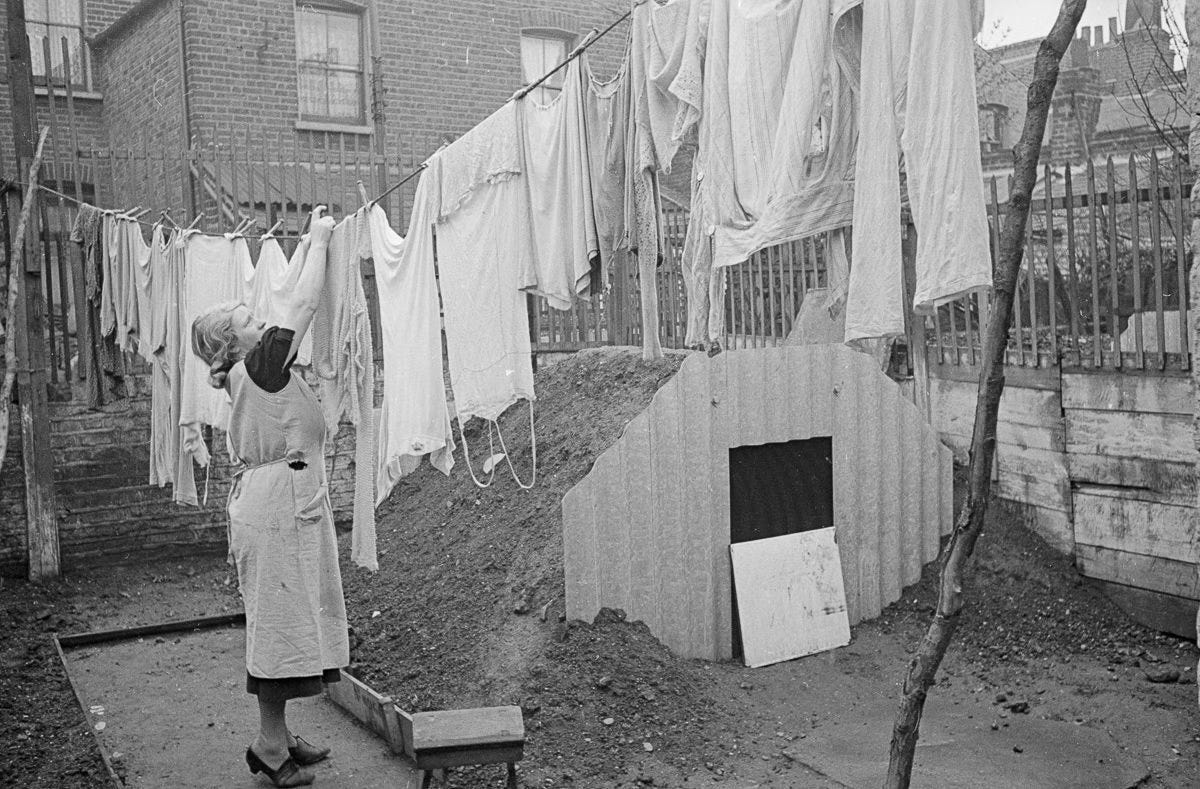
4th October: Moira Ingram survives a string of screaming bombs
About three minutes afterwards, however, he sent another stick of bombs down, and one of them was a screaming bomb. These fell very close, in fact I closed my eyes and waited for the house to fall, but nothing happened. Mr Powell ran upstairs and shouted to me to get up and go downstairs.
There was no need for him to tell me, I was half dressed by that time, although my knees were knocking and my legs wouldn’t hold me up. When I arrived downstairs I found that beds had been made up down there and we retired in comparative safety, the Air Raid Shelter being three inches deep in water.
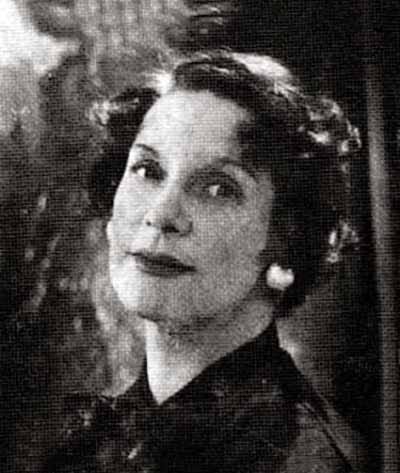
30th October: Frances Faviell is a nurse who finds herself leading a perilous rescue
I saw a little group of people bending over what seemed to be a hole in what had been the basement of a house but which now appeared to be filled in with debris. A car stood in the road with the notice ‘doctor’ on it. It was dark, but I could see that there were three men bending over the hole and one woman. The woman wore nurse’s uniform.
As I hurried by she turned, said something to the others, then called to me, ‘Nurse.’ I went over. The man bending over the hole straightened up, but I could not look at him because of the appalling sound coming from the hole.
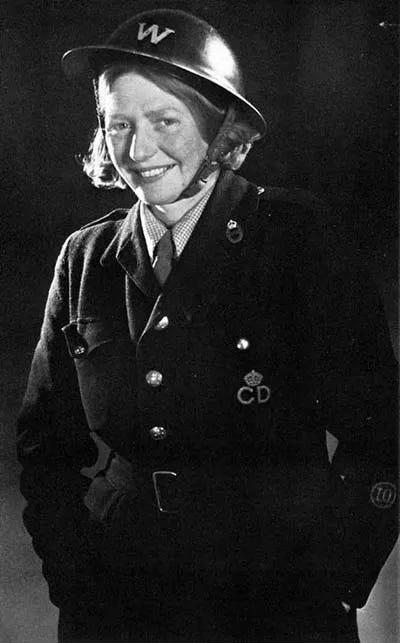
6th December: Barbara Dixon is an Air Raid Warden in a shattered area of London
We always had a large number of fires in our area, and silhouetted against the red, and sometimes greenish or white, firelight, this chaotic tangle of ruins dwarfed Pompeii, with its Vesuvius, into insignifieance. Nothing was left. The heart of the largest city in the world was a wilderness. Here and there, desultory trails of smoke curled up; the pigeons had deserted it, no gulls circled over it, the only inhabitants were occasional, scurrying rats
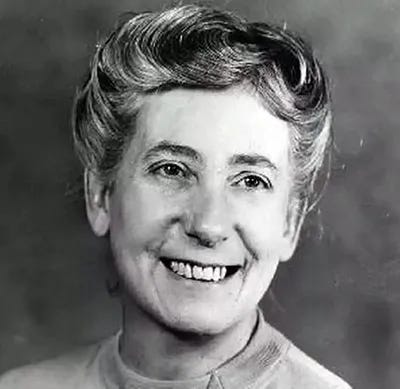
21st December: Helen Forrester is caught out in the open during the Liverpool Blitz
On the theory that a moving object was harder to hit than a stationary one, I ran like a frightened alley cat, in the hope of avoiding an incendiary bomb or heavy piece of debris falling on me. Incendiary bombs, though quite small, were deadly if they fell on someone, and flak from our anti-aircraft guns or flying pieces of rubble and glass from bombed buildings, were more of a menace than the chance of being caught directly by an exploding bomb. Another great danger was from falling power lines, still live and spitting like angry dragons...