

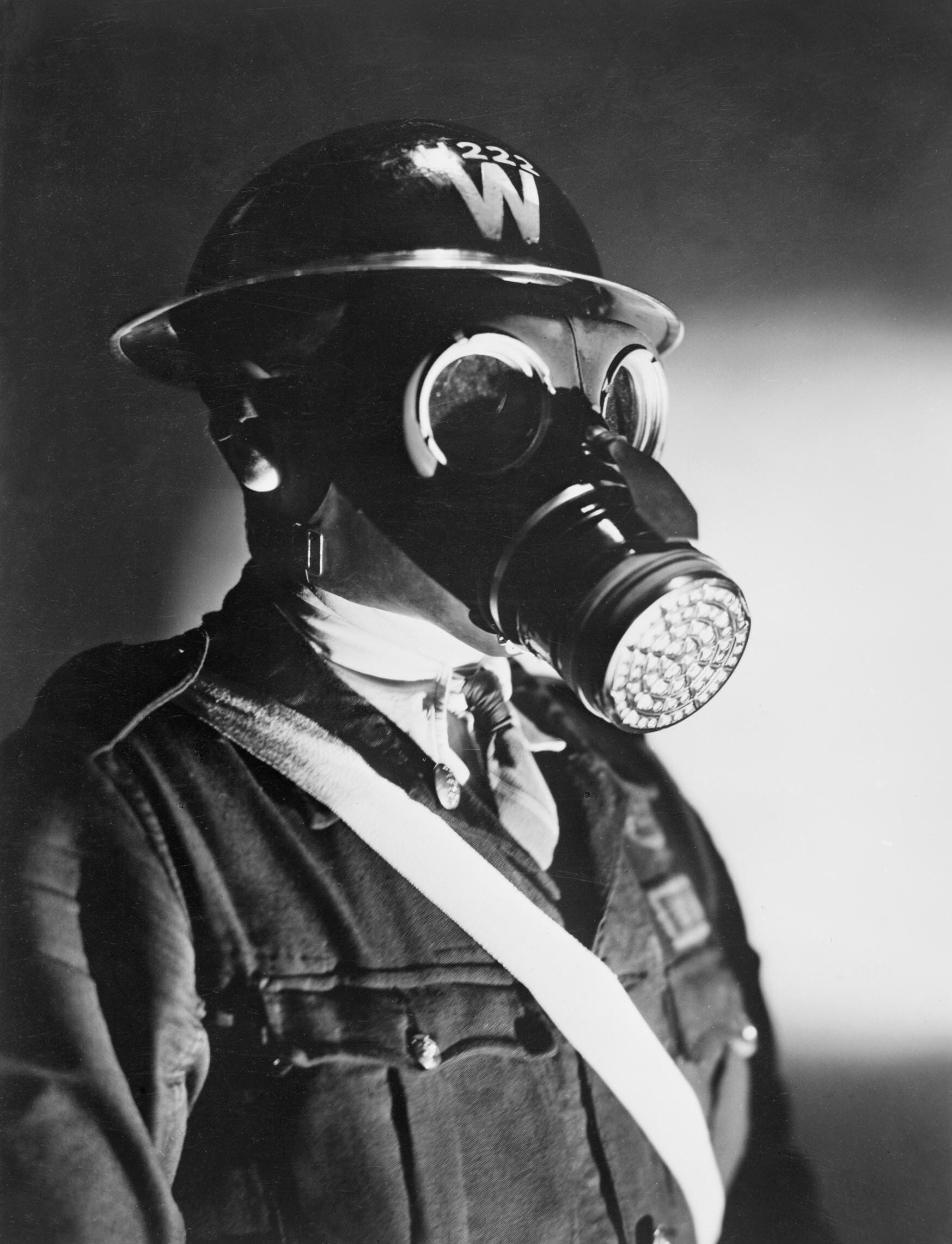
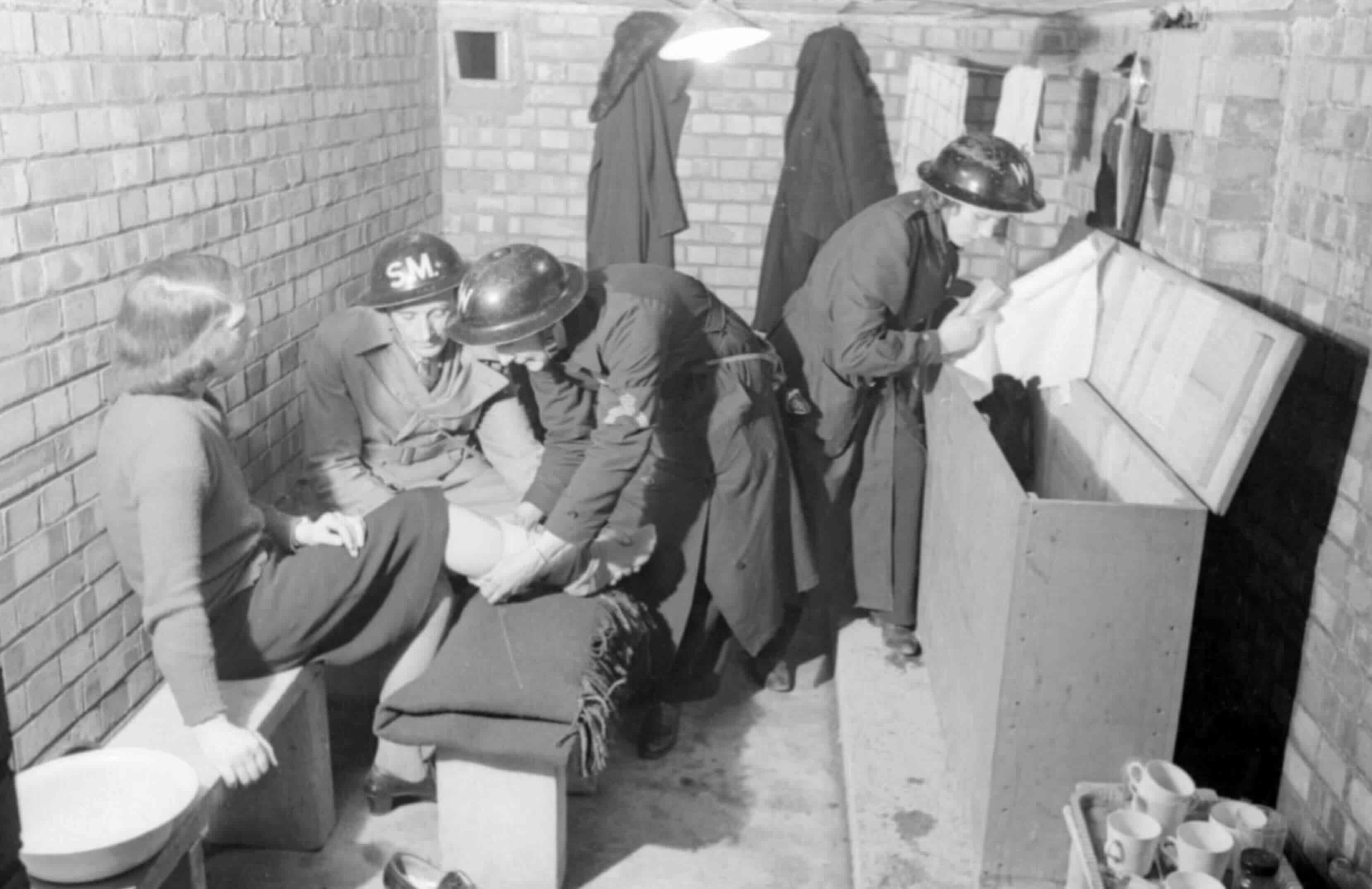
The Civil Defence organisation of volunteers, established before the war as ‘Air Raid Precautions’, was now expanding. It would soon bring under its wing the Auxiliary Fire Service, First Aid Volunteers, Fire Watchers, Rescue Parties and others. It had not initially been popular - the wardens had been seen as officious busy bodies, telling people to ‘put that light out’. But as soon as the bombs began falling, they gained recognition for the essential role they fulfilled. It was now less about ‘precautions’ and more about ‘rescue’, or even just ‘recovery’.
Air Raid Wardens came from all walks of life. As an actress, stage manager and part time writer for the theatre, Barbara Nixon1 found herself unemployed when war broke out. She volunteered as a part-time Air Raid Warden. In the Borough of Finsbury, north of the City of London, she had seen the impact of some of the worst of the bombing since September.
By December 1940, she wanted to do more and applied for a full-time role with the Civil Defence organisation. Somewhat reluctantly, because she was a woman, and a married woman at that, she was accepted. Being a graduate of Cambridge University might have had some bearing on that.
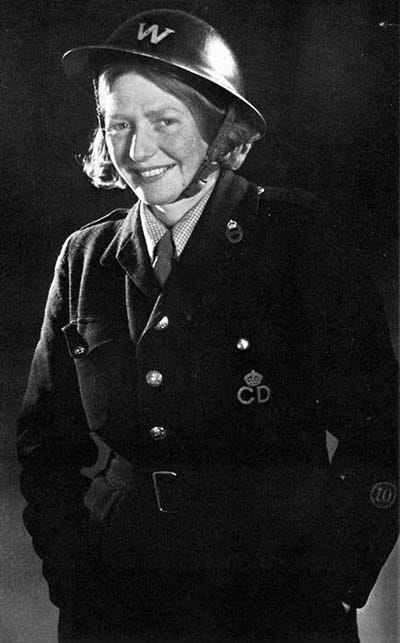
She was allocated a position at Warden’s Post No.13, at the other end of her Borough. Moorgate was an area she was unfamiliar with. Here she would work with a group of other Wardens, all men. Early in December she accompanied the Post Warden, Mr Harding, on a tour of her new territory:
The next morning I went down to ‘13.’ It was raining: the smell was abominable, and it looked more desolate than ever. Harding was there and we started off on a tour of the district.
Ropemaker Street was roped off, and the barricade was covered with sixty or seventy shabby little notices written in ink or indelible pencil, saying that such-and-such a firm had moved to another address. The ink and the pencil had run in the rain, and they looked very bedraggled.
This street had been one of tall, though old-fashioned, office buildings. Not one was left; there were only heaps of charred rubble and bricks. At the far end, in solitary dinginess, a public-house was still standing. Despite the fact that it was not much damaged, it was boarded up - its roof was still there, but its customers had all gone.
The next street was only a footpath between piles of bricks and beams, and for acres on each side, there was complete devastation. The area had been thickly covered with factories, warehouses, and office buildings; now, it was a fantastic tangle of girders a foot thick, twisted and curled like a child’s hair-ribbon.
