

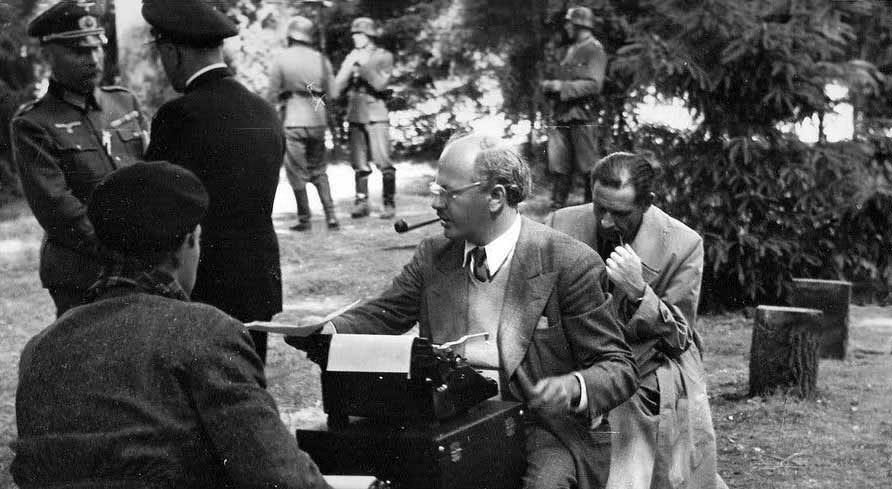
21st June 1940: William L. Shirer watches Hitler’s face as he humiliates the French
He glances slowly around the clearing, and now, as his eyes meet ours, you grasp the depth of his hatred. But there is triumph there too – revengeful, triumphant hate. Suddenly, as though his face were not giving quite complete expression to his feelings, he throws his whole body into harmony with his mood.
He swiftly snaps his hands on his hips, arches his shoulders, plants his feet wide apart. It is a magnificent gesture of defiance, of burning contempt for this place now and all that it has stood for in the twenty-two years since it witnessed the humbling of the German Empire.
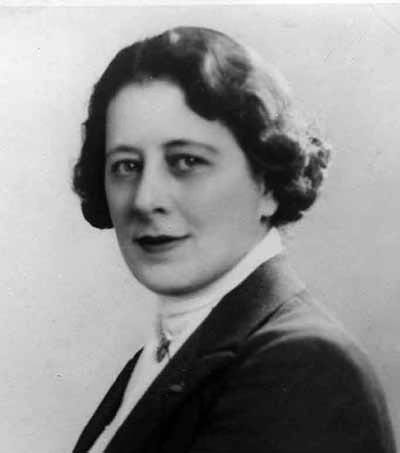
28th June 1940: Marie-Louise Dilkes watches the Germans settle into Paris
Along my path when I leave my house in the morning, I see pasted on the wall of the Boulevard des Invalides the poster of a German soldier. He is smiling and holding a child in his arms. Around him are gathered children with their mothers, looking up at the soldier with confidence. Underneath is written Population abandonée, avez confiance dans le soldat Allemand. (“Abandoned population, have confidence in the German soldier.”) Splendid propaganda! But shall it really lessen the hatred in the hearts of the French for the enemy?
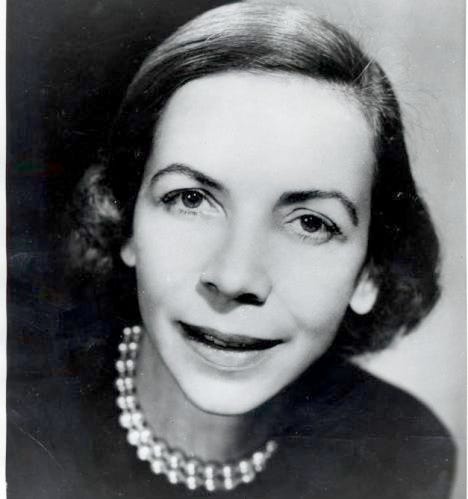
7th July 1940: Virginia Cowles watches the British prepare for invasion
One night we were driving along an isolated lane when two men sprang out of the bushes, waving a lantern and shouting at us to stop. They poked their guns in the window, flashed their lights in our faces and asked us for names and destination. After a certain amount of questioning, one of them said: ‘We might as well let them go. They don’t look like parachutists.’ ‘Well,’ said the other sceptically. ‘You can’t be too careful. From what I’m told they like to come down in skirts.’ We made a hurried exit before their doubts deepened.
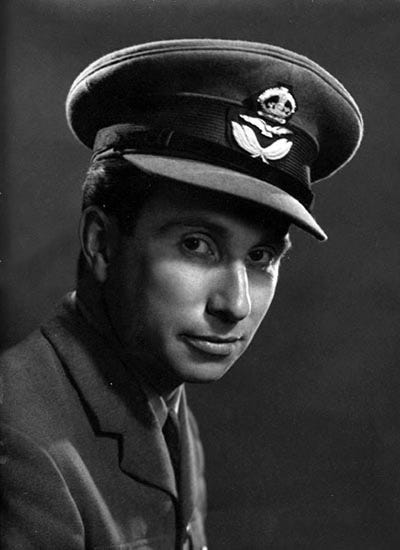
16th August 1940: Billy Fiske dies flying for the RAF in the Battle of Britain
It was during this dogfight that Fiske is believed to have been hit by return fire, forcing him, badly burned, to make the emergency landing back at Tangmere.
One member of 601 Squadron who had fond recollections of Fiske was Squadron Leader Hugh ‘Jack’ Riddle: ‘My memories of Billy as a pilot was that he was quite exceptional. His Flight Commander, Sir Archibald Hope, having assessed Billy’s flying ability on arrival with the squadron, said
“In all my flying experience I have never come across a pilot with such completely natural flying ability, and quick reactions. He made his aircraft become part of him.”
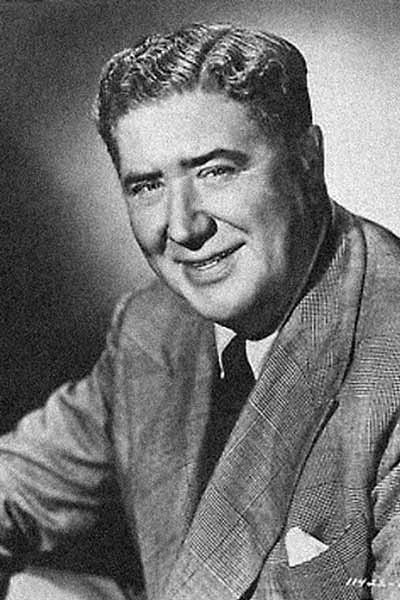
COMMENTATOR: Now the searchlights are poking long, white inquisitive fingers into the blackness of the night.
The camera pans up to follow the searchlight into the sky. A still shot of some clouds, and then an anti-aircraft gun fires a volley into the sky.
COMMENTATOR: These are not Hollywood sound effects. This is the music they play every night in London.
Various men attend to searchlights that are shining into the sky.
COMMENTATOR: The symphony of war.
More volleys from an anti-aircraft gun. The shot changes to the the same bus stop from earlier. There is the whistling sound then an explosion and a bright flash.
COMMENTATOR: That was a bomb.
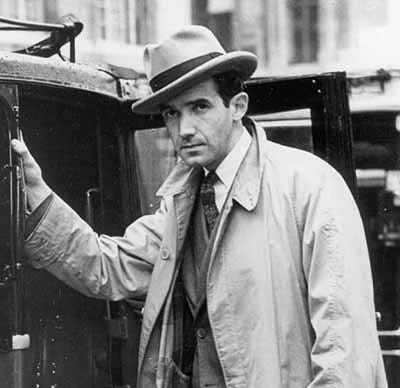
24th December 1940: Ed Murrow again broadcasts live from London
It can’t be a merry Christmas, for those people who spend to-night and to-morrow by their firesides in their own homes realize that they have bought this Christmas with their nerves, their bodies, and their old buildings. Their nerve is unshaken; the casualties have not been large, and there are many old buildings still untouched.
Between now and next Christmas there stretch twelve months of increasing toil and sacrifice, a period when the British will live hard.
We need Edward R Murrow in the United States today!