

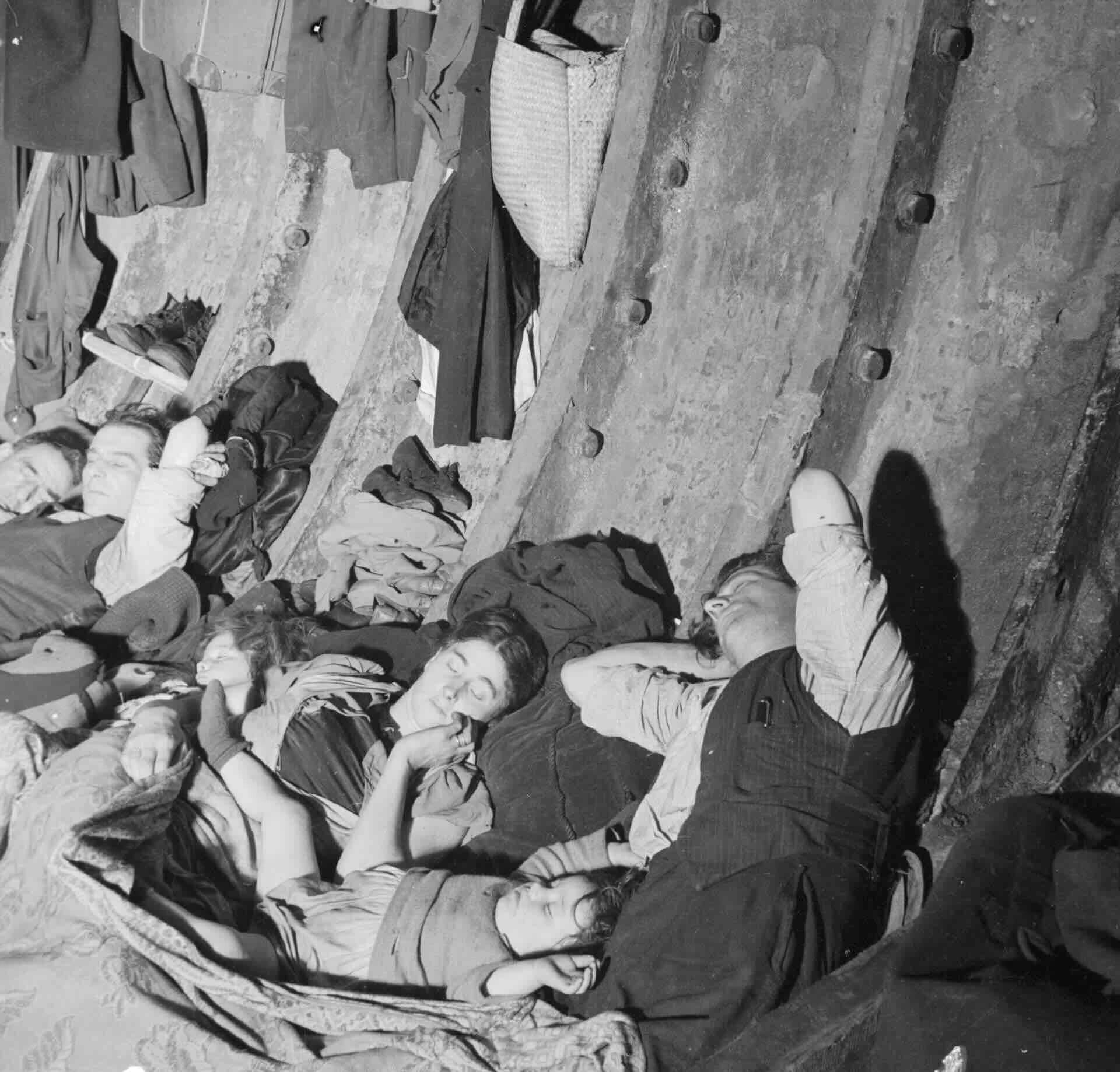
There was a lull in the bombing over the few days around Christmas, but people were taking no chances. Many minor improvements had been made to conditions in the shelters, bunk beds had been installed in many places, sanitary conditions improved, and there was now a distribution of food. People had grown used to a new routine surprisingly quickly. But a closer look revealed a division within society, a division between the patrician authorities and the working people. Britain was still a very class-ridden society.
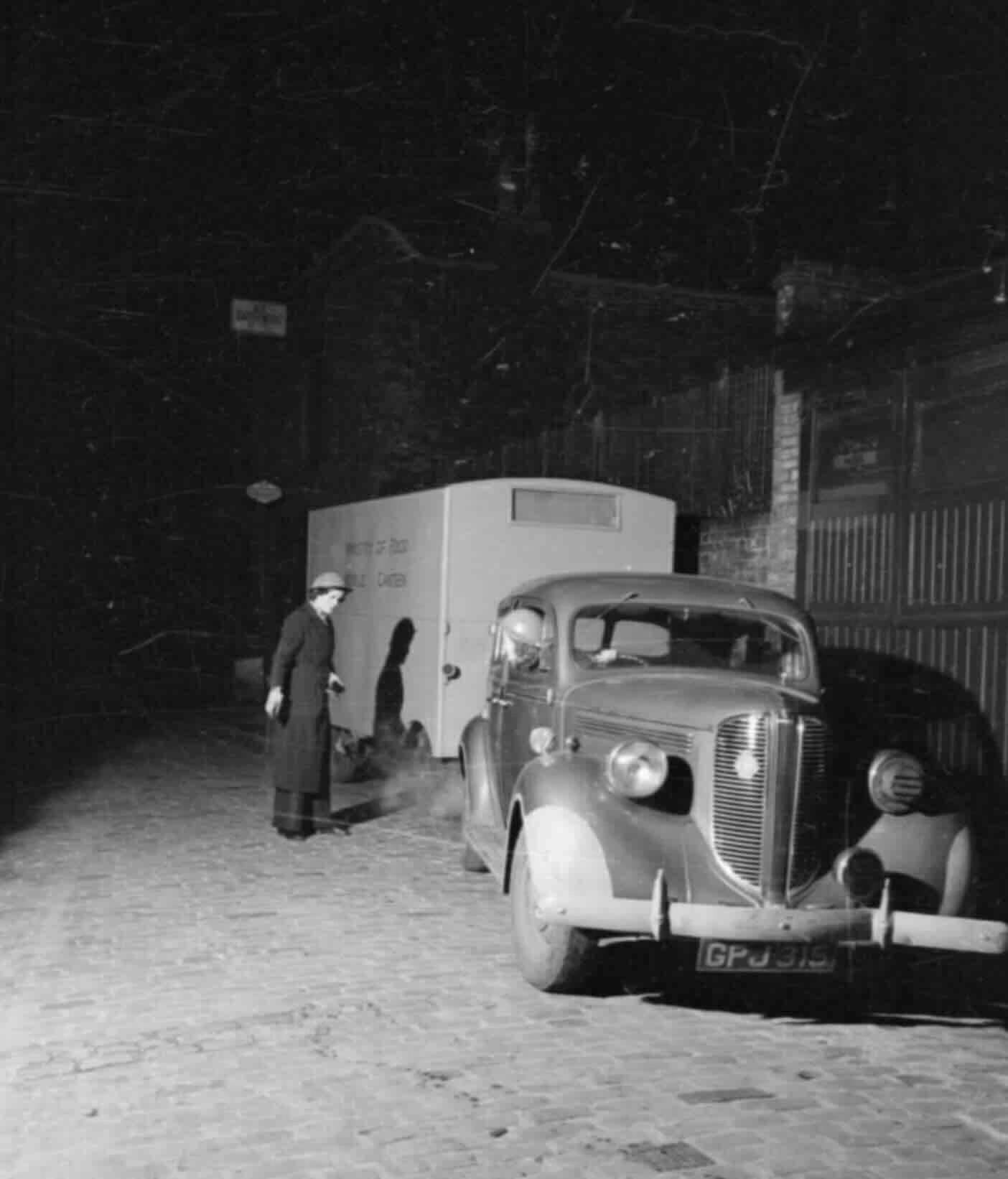
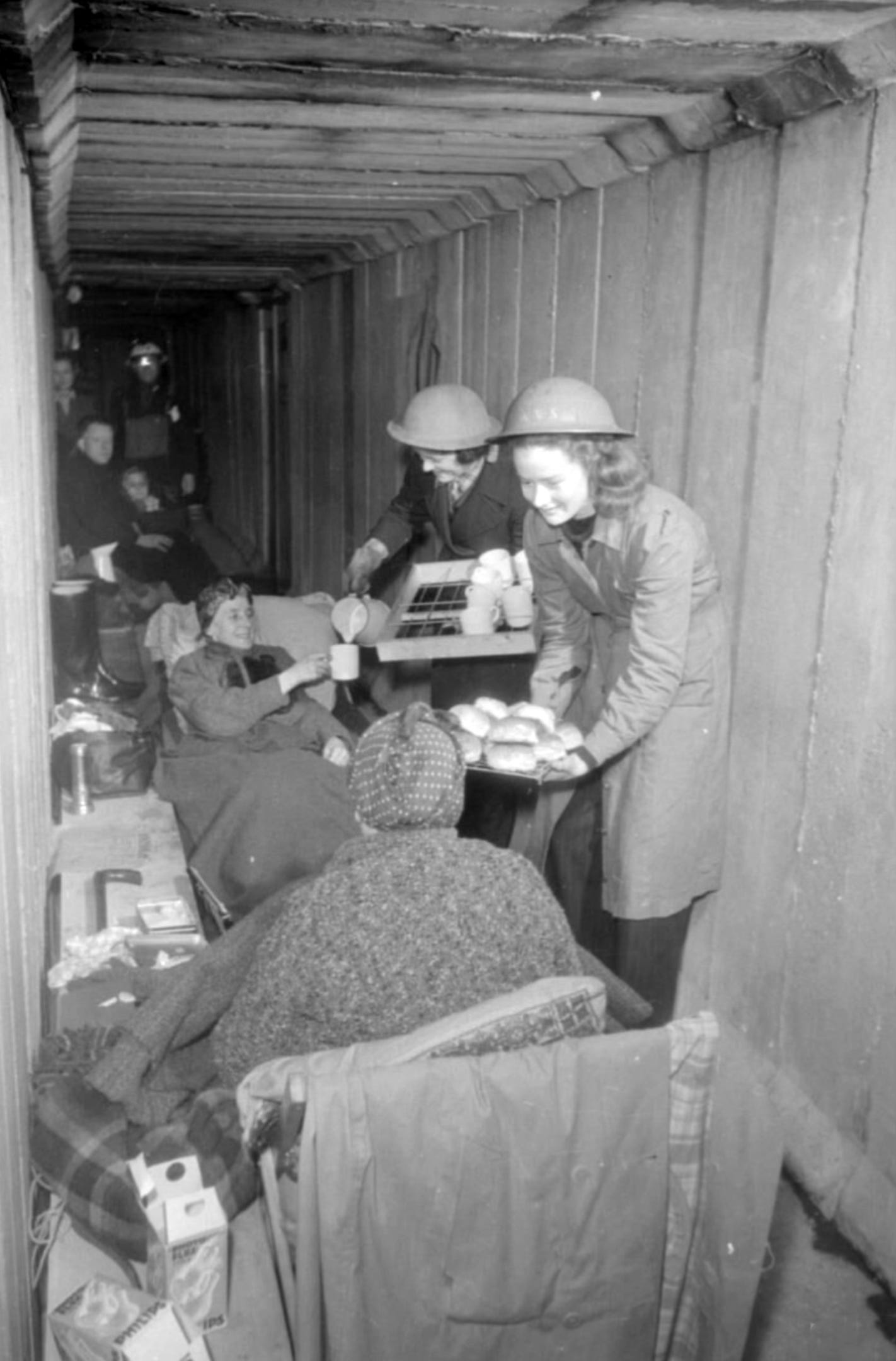
Margery Perham1 describes a tour of some of the public shelters in London’s East End, when she assisted with the distribution of food over the Christmas week:
On again, to the great shelter under the arches beside the docks. The canteen is very late. There are about fifteen hundred shelterers here, and many have had no evening meal. They do not know why ‘they’ bring a canteen or who ‘they’ are or where ‘they’ come from. But ‘they’ are late and that is cause for annoyance.
There is a rush, and the table, set up with difficulty in the shelter to take the tea-urns and food, rocks dangerously. Hands tug at the canteen party, reach and clutch and wave their mugs in the dim light. Cockney voices shrill their orders. Appeals for restraint nd discipline are not understood. Even the grown men do not respond. Disraeli’s Two Nations are still two, and how is this one to learn courtesy, to feel a sense of solidity with the other from which ‘they’ of the canteen have come?
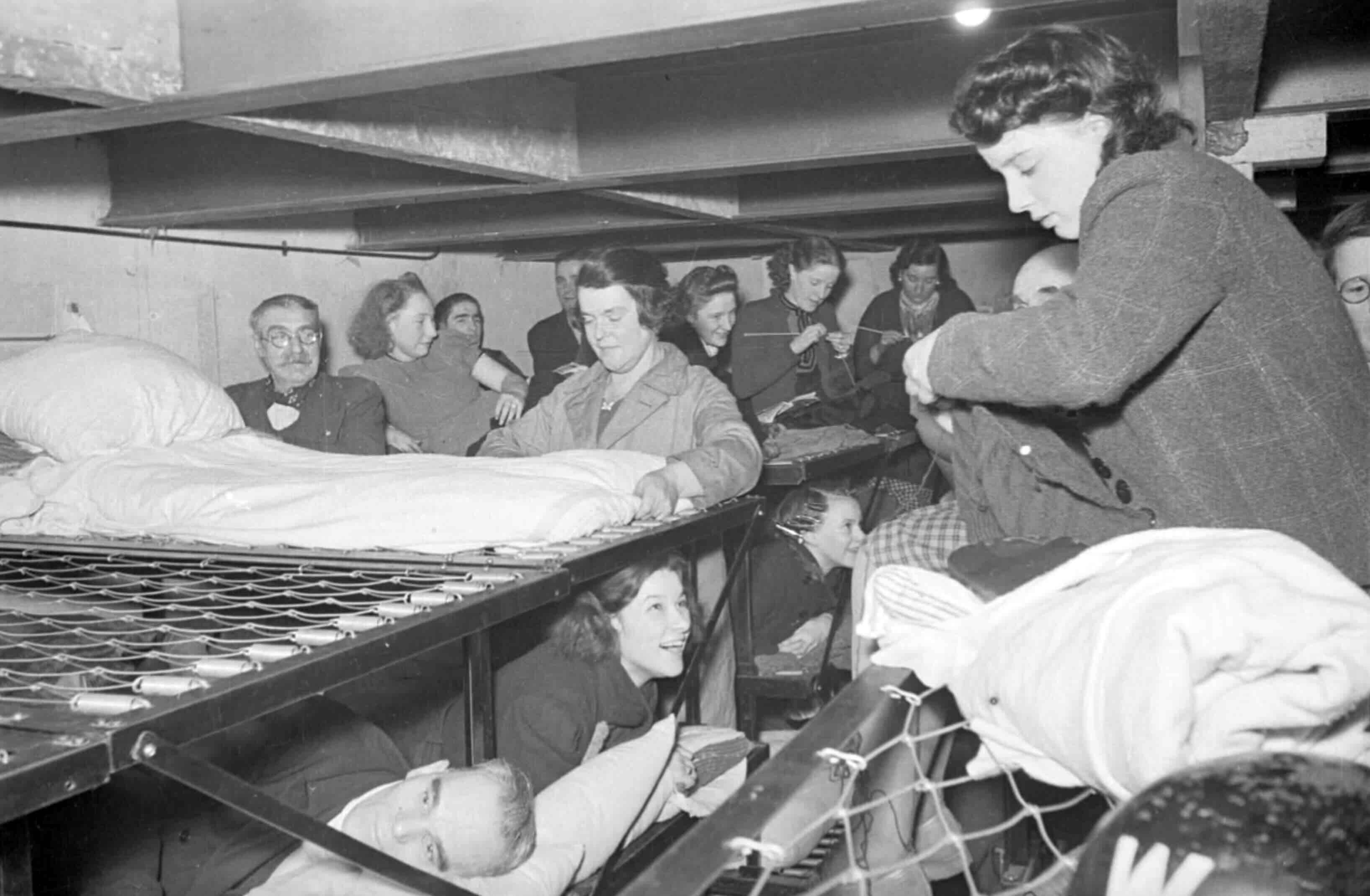
The rush dies down. There is time to look round. The air reeks from the crowds and the unsavoury bundles of bedding, some of which - for there are not yet bunks to go round - still lie on the damp floor. Water drips from the arches and down the walls.
