29th October 1941: A year has transformed Britain's position in the war
∙ Paid
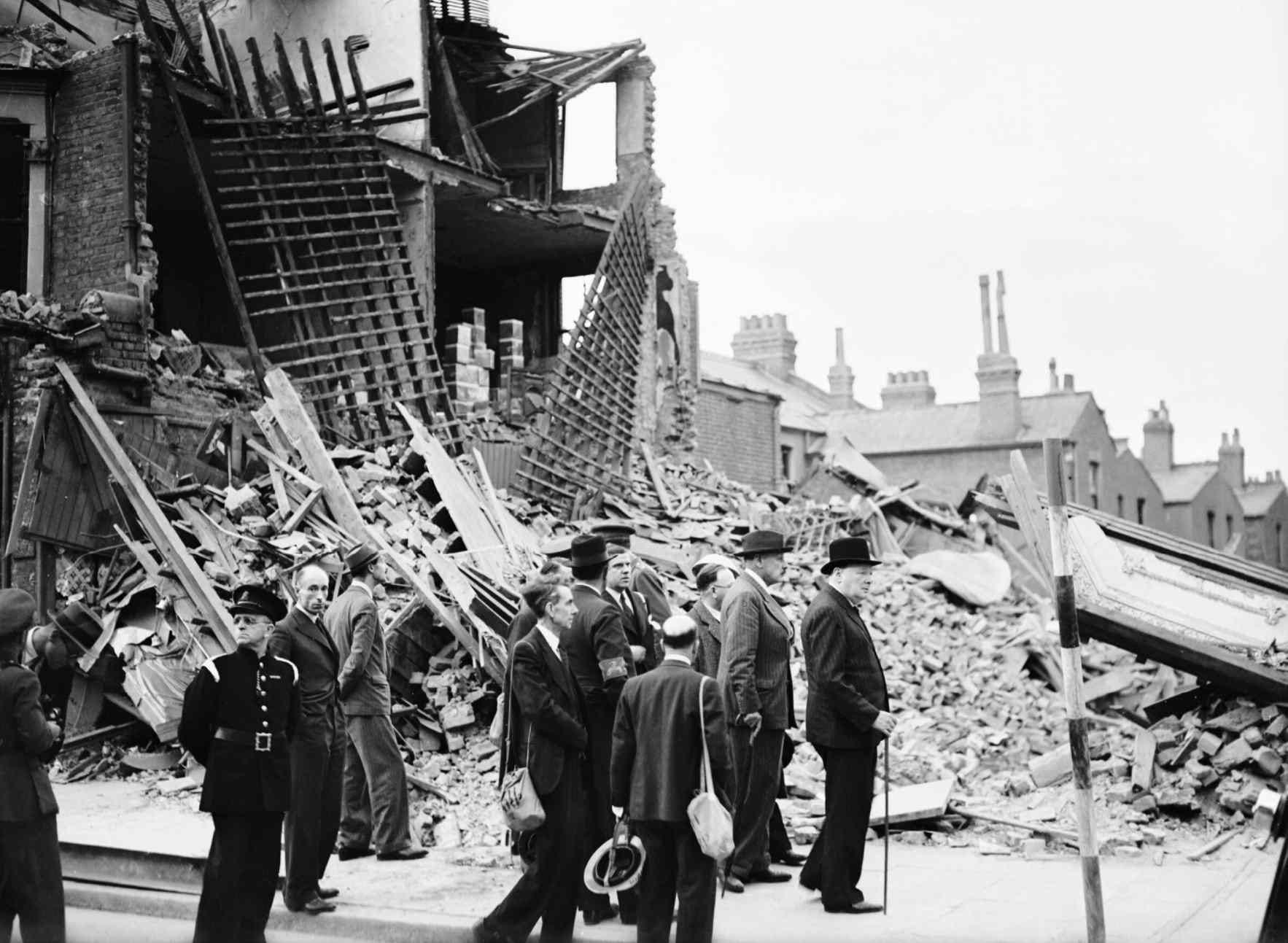
The Prime Minister Winston Churchill visits bombed out buildings in the East End of London on 8 September 1940.
Winston and Mrs Churchill tour the smoking remains of the Guildhall following a night of German bombing of the City of London, December 1940.
It had been a busy year for Churchill. A year earlier Britain had stood alone and her cities were devastated by Luftwaffe bombing, just after the British Army had been driven out of France. Hitler, in a non-aggression pact with Stalin, seemed intent on finishing off the last resistance. But that had all now changed.
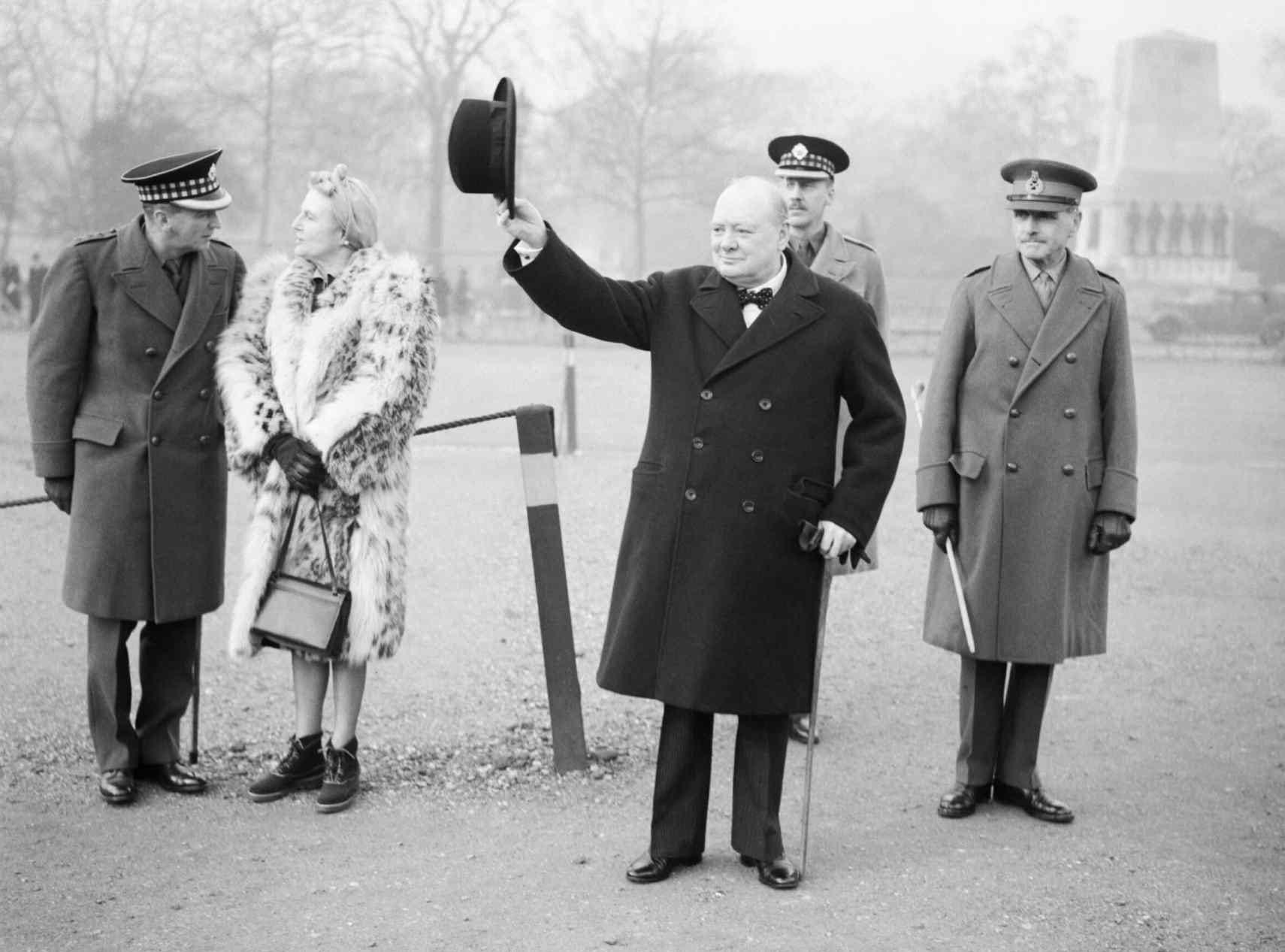
Winston Churchill raises his hat in salute during an inspection of the 1st American Squadron of the Home Guard at Horse Guards Parade in London, 9 January 1941. Behind, Mrs Churchill chats to a Guards officer. Lieutenant General Sir Bertram N Sergison-Brooke (GOC London Area) is standing on the right.
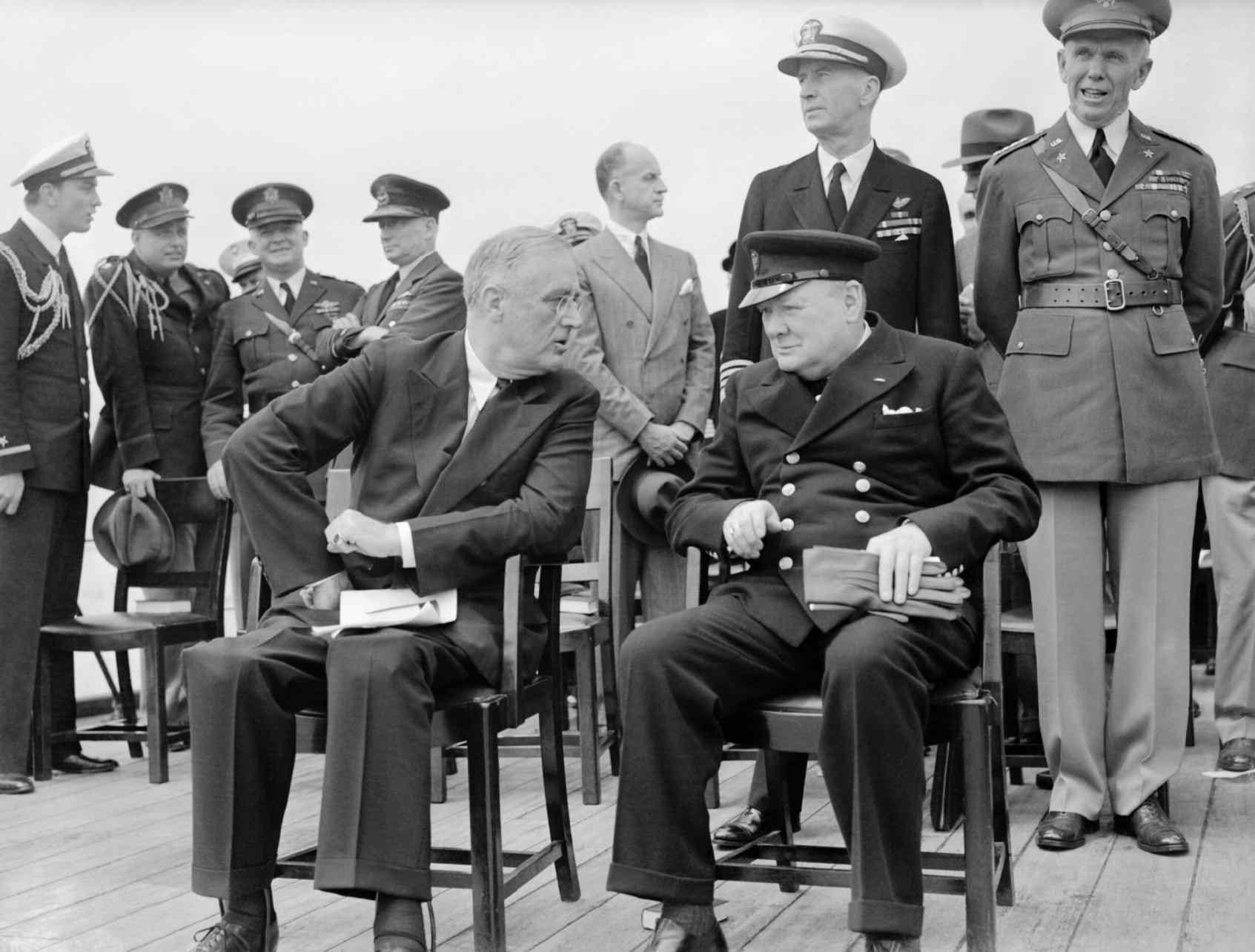
The President of the United States, Franklin D Roosevelt, and the Prime Minister of the United Kingdom, Winston Churchill are seated on the Quarterdeck of HMS PRINCE OF WALES. They are chatting following a Sunday service, during the Atlantic Conference, 10 August 1941. Immediately behind them are Admiral E J King, USN and General Marshall, US Army. The President's sons, Ensign Franklin Roosevelt Jr USNR and Captain Elliot Roosevelt USAAF, along with General Arnold, USAAF, Air Chief Marshal Sir Wilfred Freeman RAF are conversing to the left of the image.
On the 29th October 1941 Churchill visited his old school, Harrow, where he contrasted the position of Britain that day with the position the country had been in when he had visited the school a year earlier:
You cannot tell from appearances how things will go. Sometimes imagination makes things out far worse than they are; yet without imagination not much can be done. Those people who are imaginative see many more dangers than perhaps exist; certainly many more than will happen; but then they must also pray to be given that extra courage to carry this far-reaching imagination.
‘this is the lesson: never give in, never give in, never, never, never, never - in nothing, great or small, large or petty - never give in except to convictions of honour and good sense.’
Continue reading this post for free, courtesy of Martin Cherrett.