
World War II Today

World War II Today

'Escort Carriers' to protect Convoys

13th September 1941: HMS Audacity sets sail, as improvised ships and new US aircraft begin to change the game in the 'Battle of the Atlantic'

Sep 13, 2026
∙ Paid
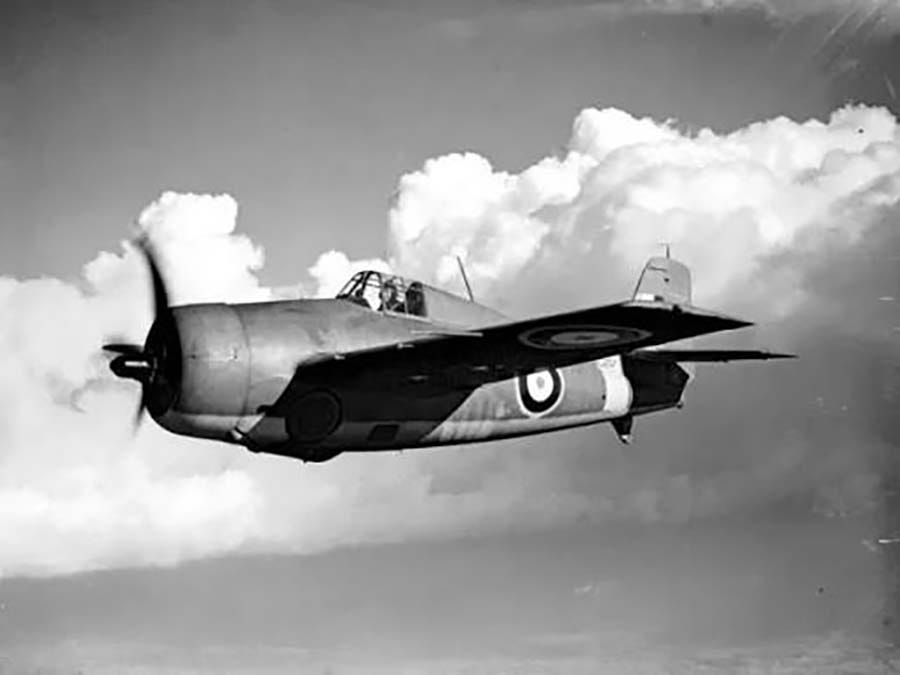
The US-manufactured Grumman Wildcat was named the Martlet when it operated with the Fleet Air Ar
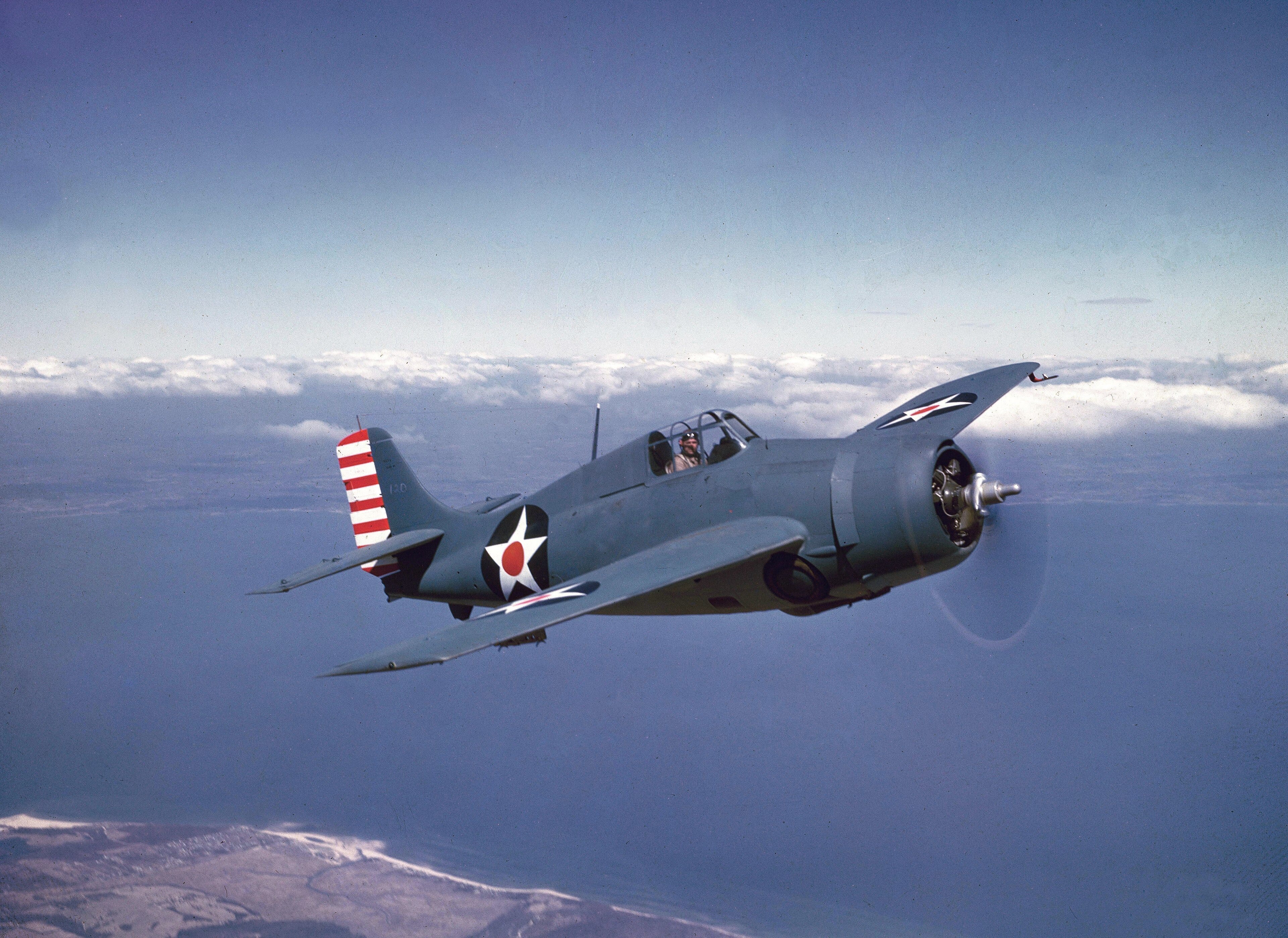
Despite limitations in its early versions, the Grumman Wildcat played a significant role in U.S. Navy carrier-based operations in the Pacific in 1942. A U.S. Navy Grumman F4F-3 in non-specular blue-grey over light-grey scheme in early 1942.

The Royal Navy struggled to counter the U-boat menace, even as it began receiving assistance from the US Navy and the Royal Canadian Navy. It lacked enough ships to escort convoys. And there were few aircraft to challenge the Luftwaffe's long-range FW200 Condors that were not only bombing ships but also radioing the location of convoys to the U-boats.
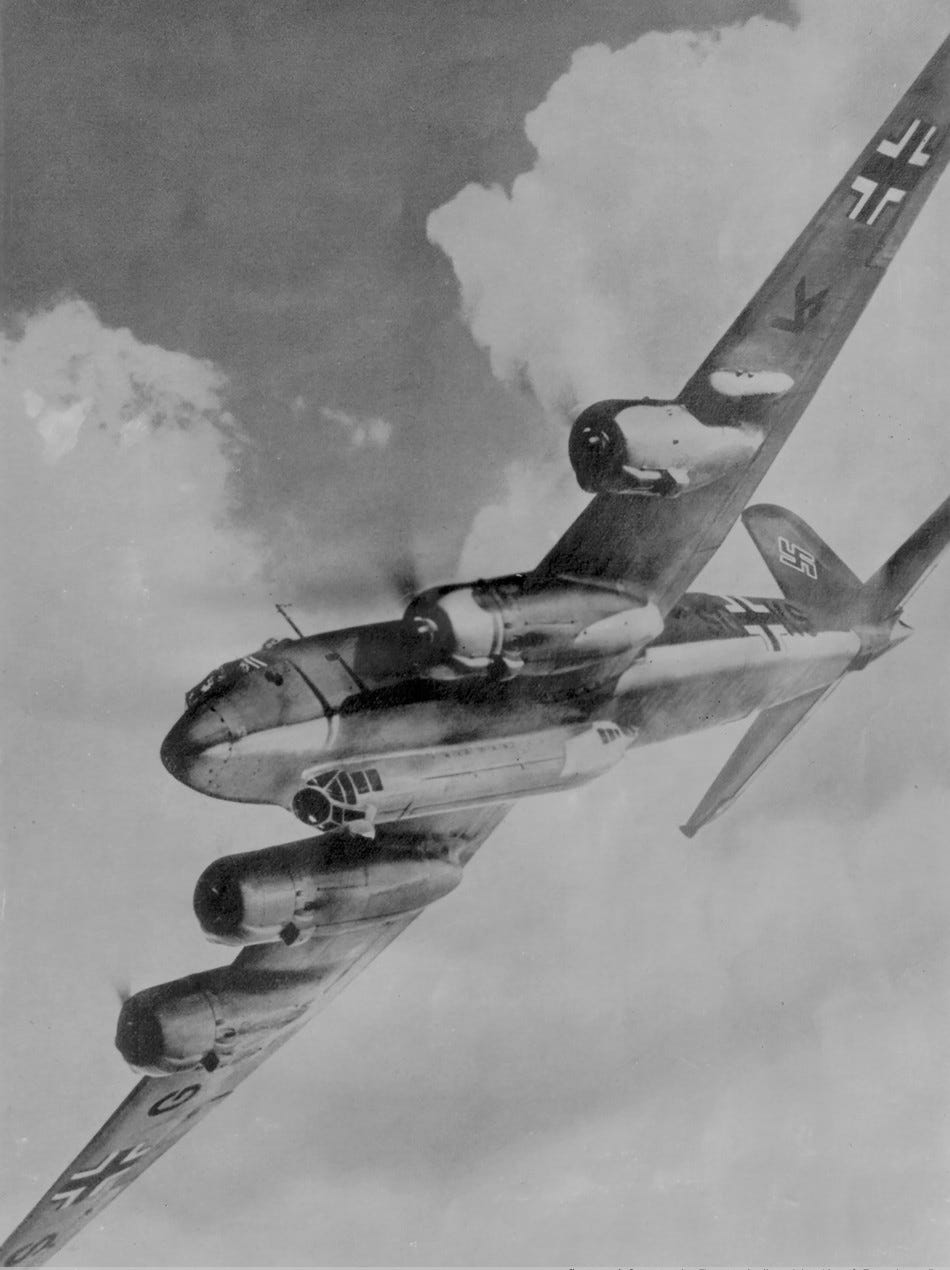
The Luftwaffe's Fw 200 Kondor

That began to change with the introduction of ‘escort carriers’ - ordinary ships hastily adapted to become crude aircraft carriers. The Royal Navy’s airborne branch - the Fleet Air Arm ( FAA) - provided the men and aircraft to fly from these carriers.
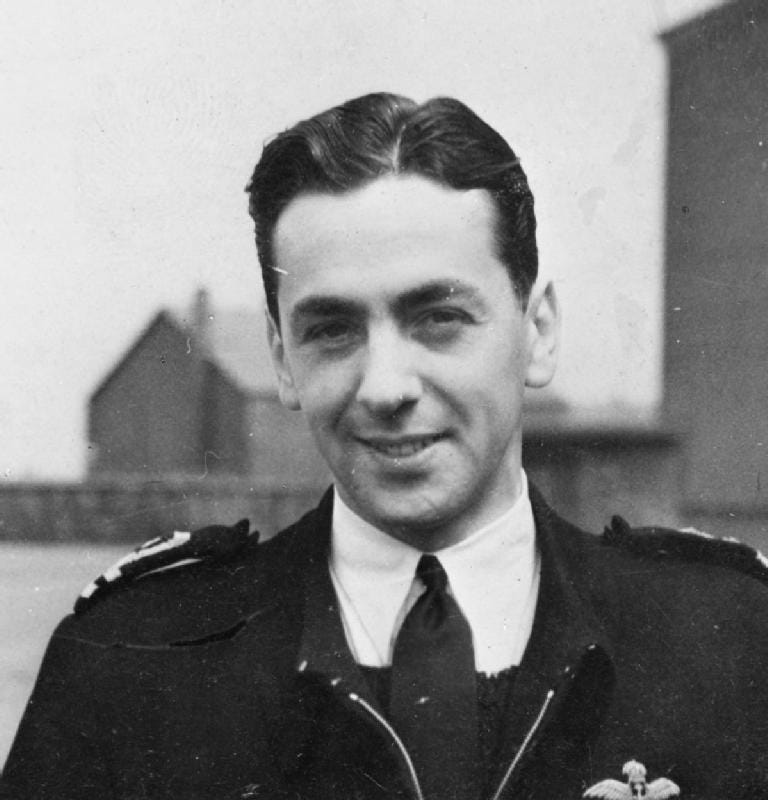
Lt Eric ‘Winkle’ Brown RNVR (1919-2016) - seen here in 1945 - went on to become the world record holder for most aircraft carrier take-offs and landings, amongst several other world records, including flying more aircraft types than anyone else in history ( 487) .

Lieutenant Eric Brown of 802 Naval Air Squadron sailed with HMS Audacity on 13th September on her first outbound convoy to Gibraltar.

User's avatar

Continue reading this post for free, courtesy of Martin Cherrett.

Or purchase a paid subscription.
© 2026 Martin Cherrett · Privacy ∙ Terms ∙ Collection notice
Start your SubstackGet the app
Substack is the home for great culture