

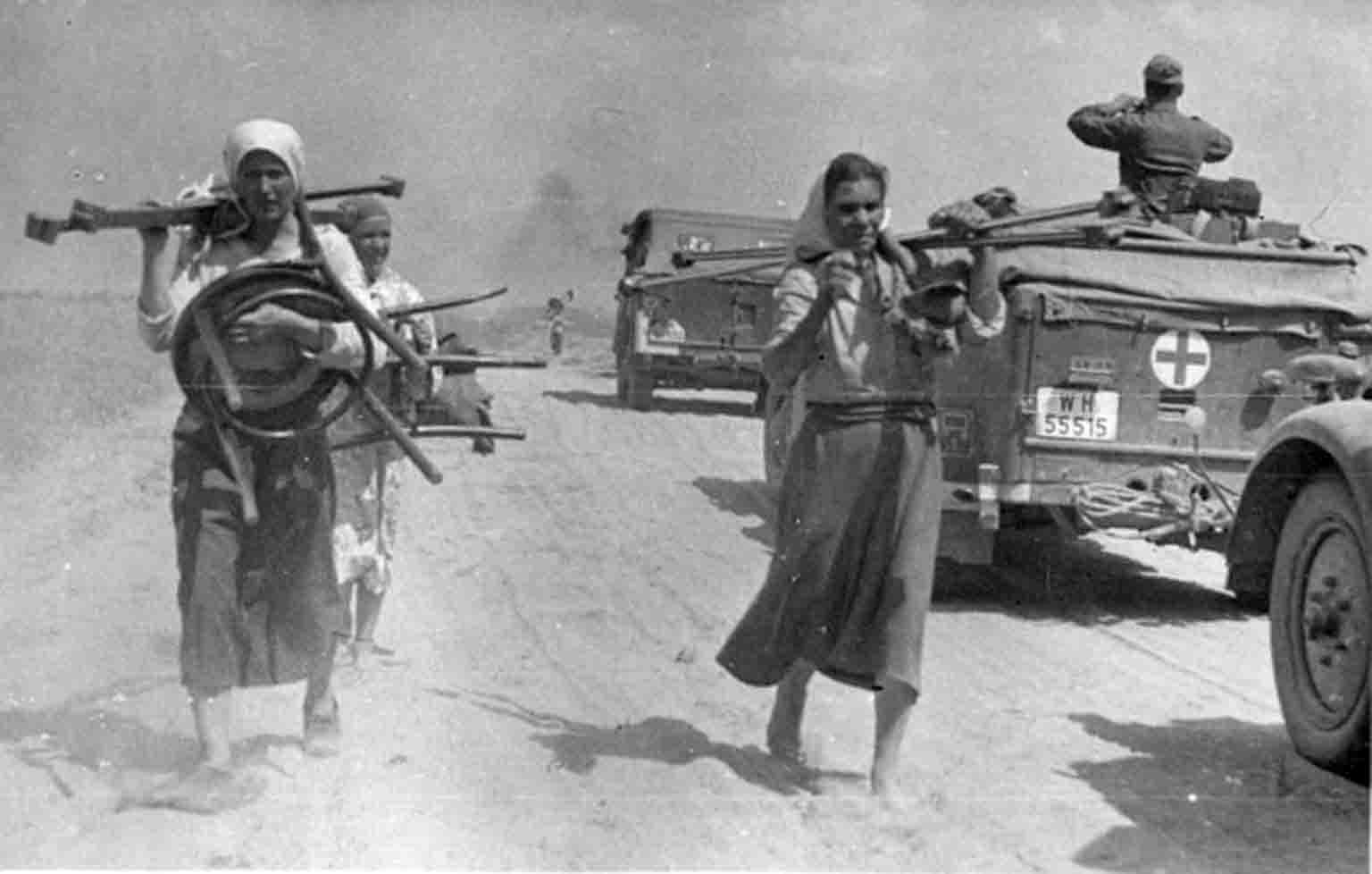
On the Eastern Front, as the main thrust of the German Panzer armies moved south into the Ukraine, other German units fell back to the defensive. Parts of the front had become quite static, where trench warfare developed. Nevertheless, with crude tactics, incredibly wasteful of men, the Soviet army continued to mount fierce counter-attacks in many areas.
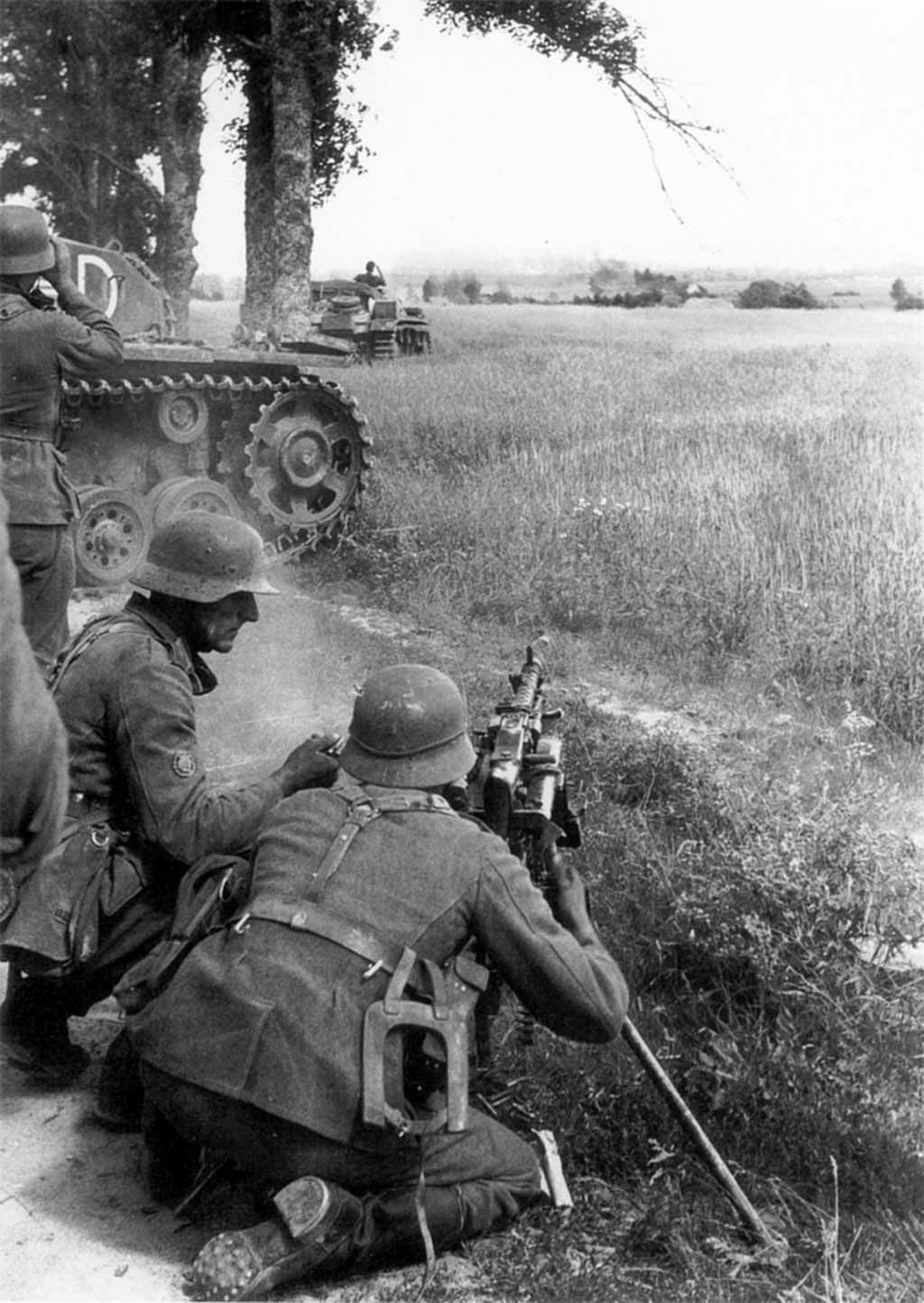
One German was keeping a diary of his experiences with the anti-tank battalion - the Panzerjagers - of the 299th Infantry Division during Barbarossa. Once again, Hans Roth found himself on the front line under artillery fire:
6 September
Changing guard at B-position at 0300 hours. Six men move into the lonely position. It is quiet despite our expectations. Well, at least what we call quiet: sporadic shell fire and the rattling of a single machine gun.
Wet fog hangs over our positions, it is abysmally cold. At least it provides good cover; the enemy is unable to see us walking through the barbed wire barriers as we carefully and slowly crawl through the minefield. Thirty minutes later we reach the forward trenches of B-position.
