

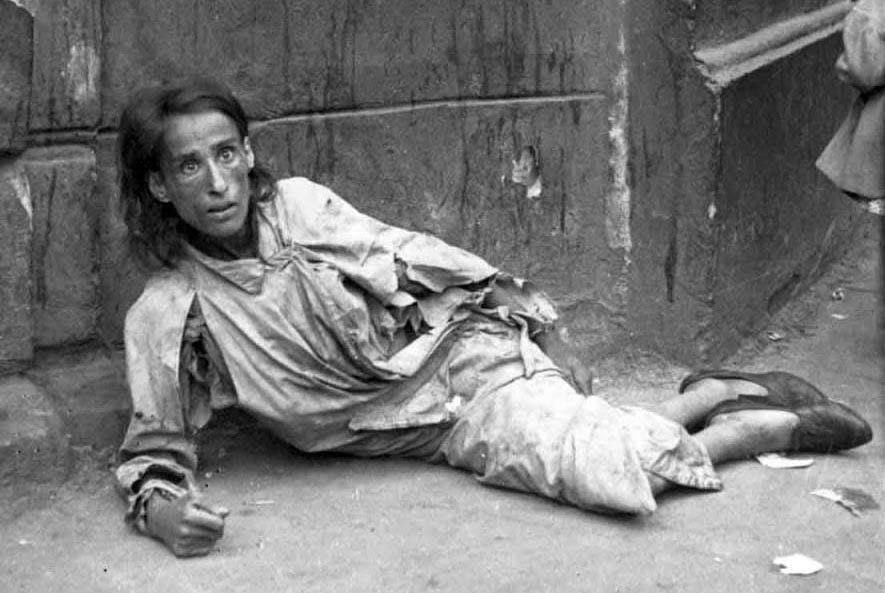
Willy Georg was a professional photographer before he was conscripted into the German Army. The reasons he was asked to enter the Warsaw Ghetto on the 26th June are obscure. It appears that he was ordered to do so by his officer, although it was not an official duty. The 30-year-old Georg had been making some additional money by taking photographs of German soldiers to be sent home to their families.
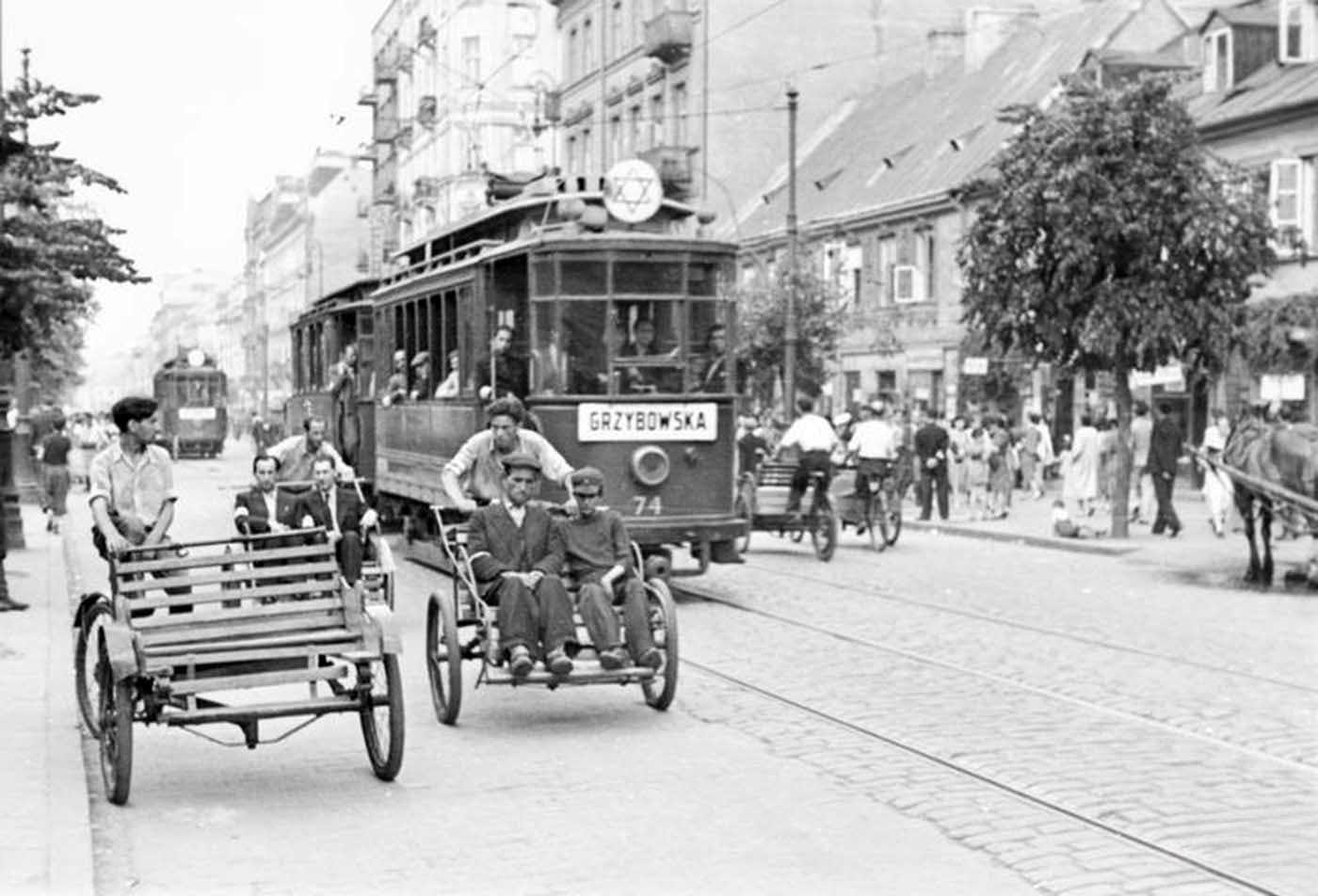
As an army radio operator, he had no connection with the Wehrmacht Propaganda Companies that did employ professional photographers. Based in the Warsaw district, his officer apparently said to him:
There are some curious goings-on behind that wall. I am issuing you with a pass to enter the enclosed area through one of the gates. Take your Leica, and food for the day, and bring back some photos of what you find.
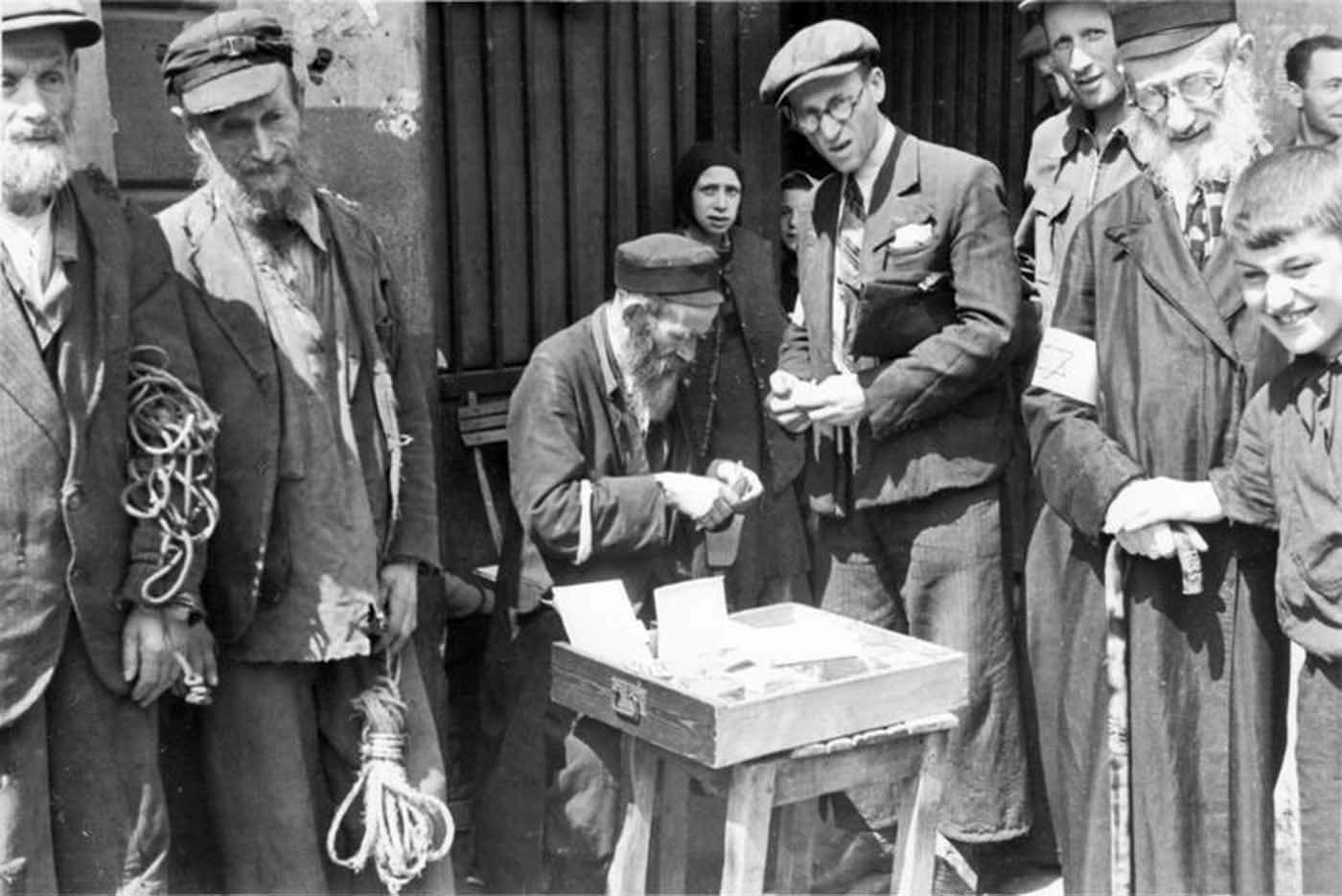
Georg did as he was asked. He had already taken four rolls of film when he was stopped by German military police. They took his camera and removed the film, but, satisfied with his credentials, only asked him to leave the Ghetto. Georg said nothing about the four rolls of film in his pocket and apparently told no one else about them. He developed them in Warsaw and sent them back to his wife in Munster, Germany.
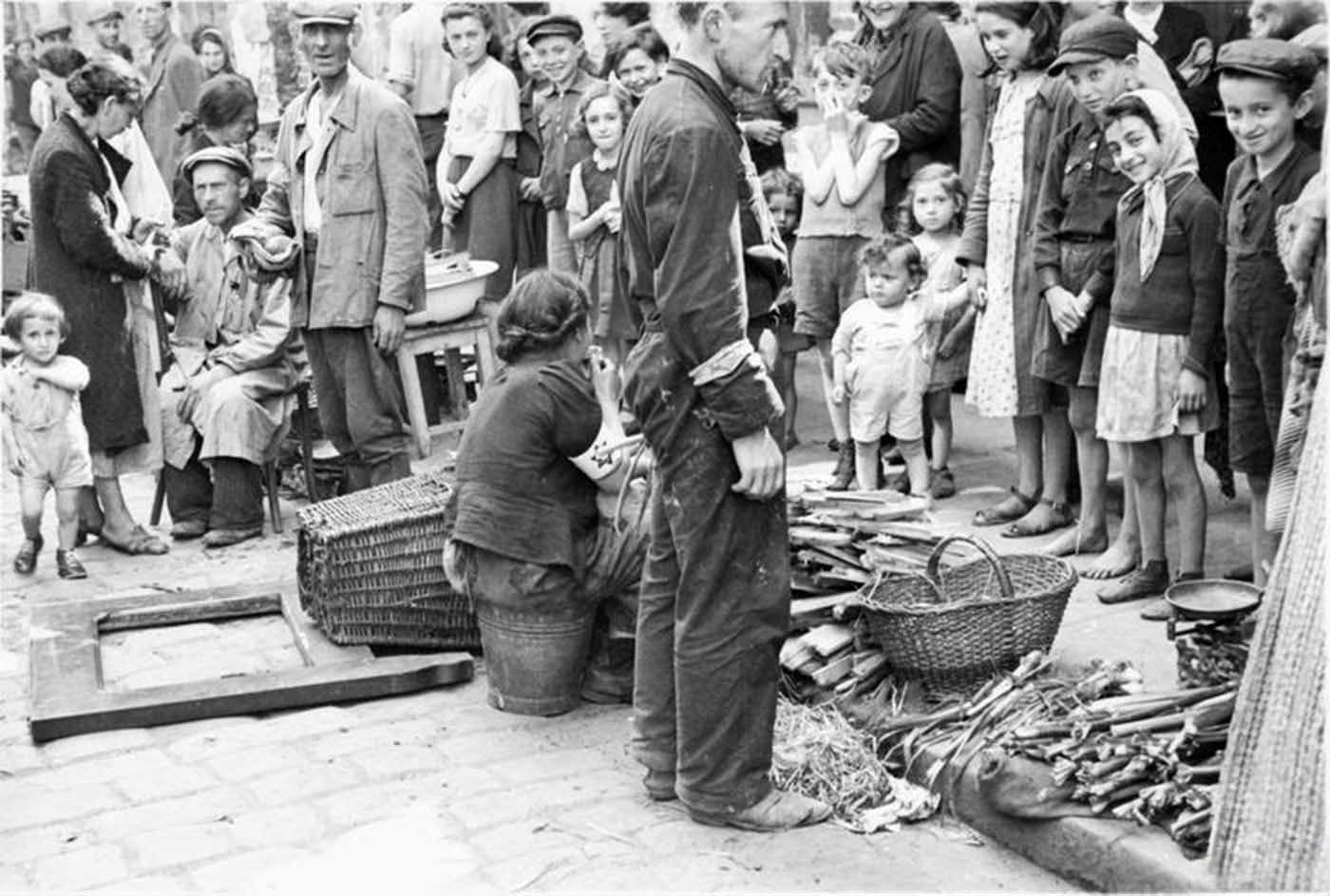
Georg either forgot about the photographs or chose to forget about them. It was only when he was in his eighties, 50 years later, that he began to think about what to do with them. Eventually, he was put in touch with Rafael Felix Scharf (1914 - 2003), a Polish Jew from Krakow who had emigrated to London in 1938. As a former lawyer and journalist, Scharf was actively involved in recording events in Poland during the war. It was Scharf who arranged for the Aperture Foundation1 to publish the photographs in 1993. Copies are now held by major institutions around the world.
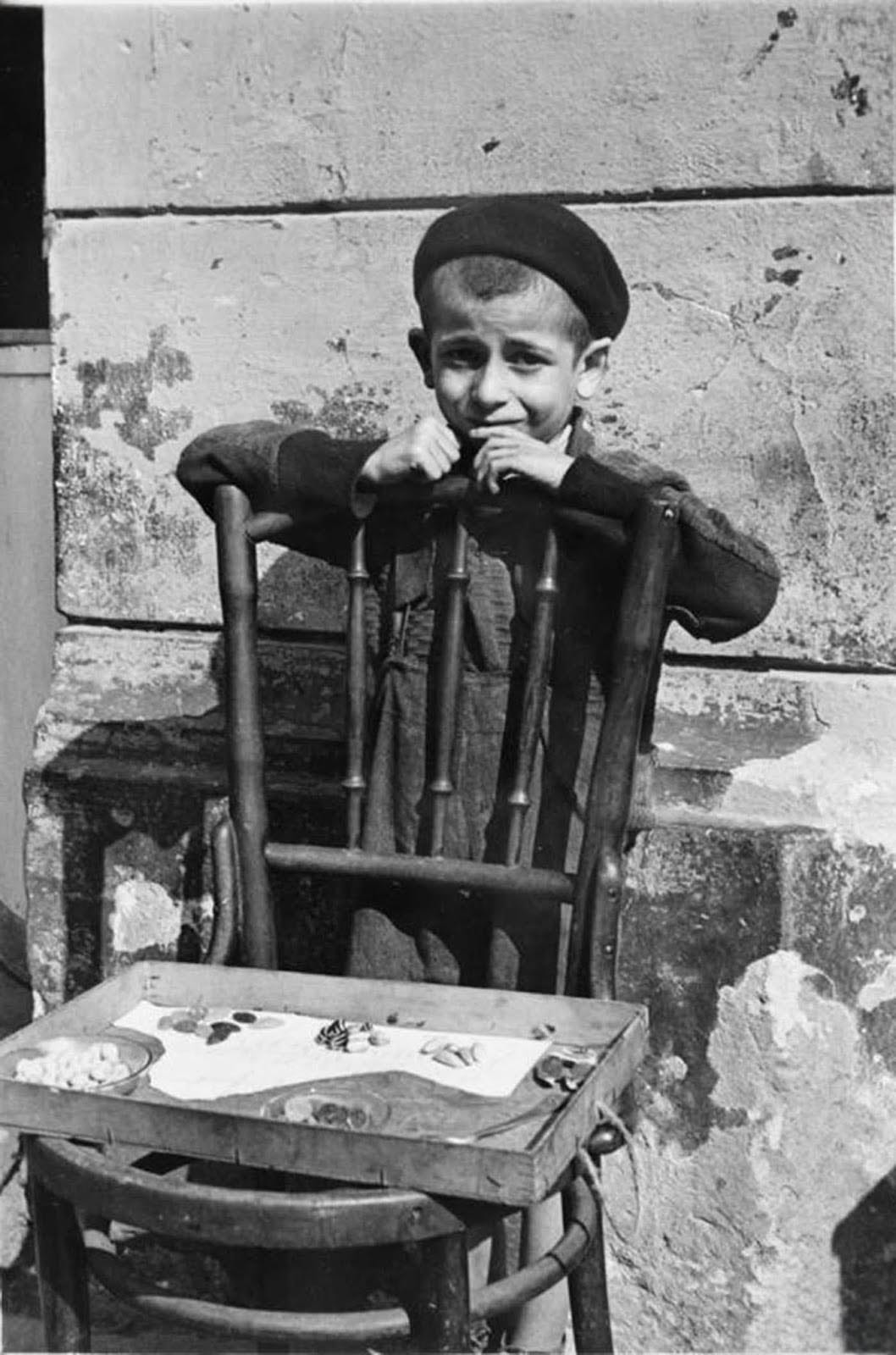
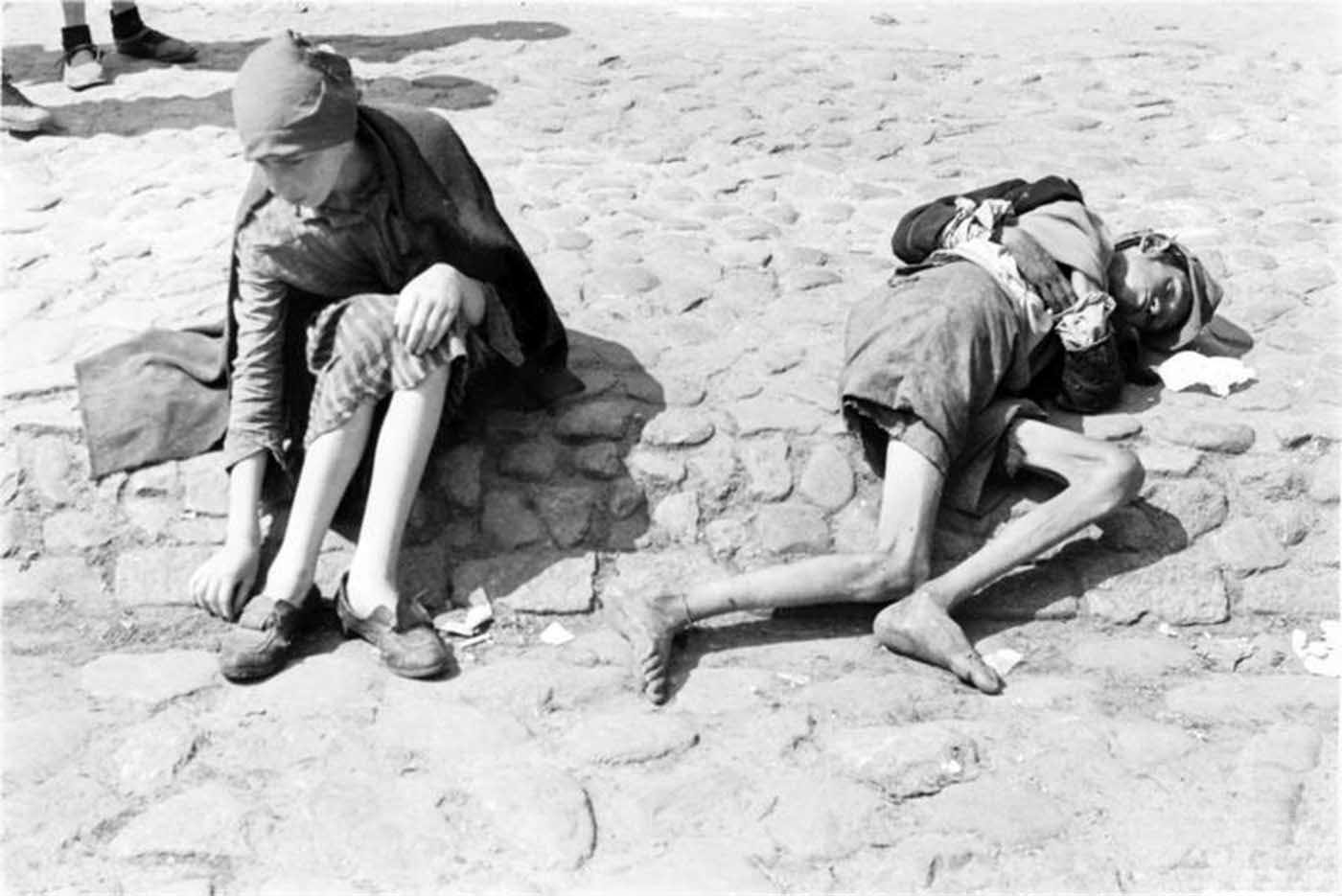
The ‘curious goings-on’ were the attempted murder of over 400, 000 men, women and children by the Nazi occupiers of Warsaw, by starvation, overcrowding, disease, and neglect. By these means, they were successfully killing many people, as is evidenced by these images. But the death rate was not fast enough for the SS. This is why they unleashed the Einsatzgruppen, and what was later termed the ‘holocaust by bullets’, on the Jews of the Soviet Union, starting in June 1941.
There appear to be at least two groups portrayed in these images. There are people attempting to live a form of nearly normal life, defying the conditions of the Ghetto. And there are those who have already fallen by the wayside. This is partially explained by the Nazi policy of sending more and more people into the Ghetto from outside Warsaw. Some had a form of community to support them, others did not:
These last shelters for homeless refugees had their own desperate, tragic story. They housed masses of people who had been deprived of their homes and shipped in from outside the city without any possessions or means of support. The agency responsible for their welfare put these people up wherever it could and struggled to keep them alive.
But what kind of life was it, with over a dozen - or even several dozen - people to a room, lacking even the most primitive cots for sleeping, and, worst of all, with no food, no hope for tomorrow, no energy to go on living? A few lucky ones managed to break out and move in with some distant relative, miraculously discovered, where they would add to the poverty already reigning in that household. Some stayed put for as long as it took for a merciful death to bring an end to their suffering. The mortality rate rose.
On average, some four thousand people died each month. As the poverty and hunger worsened, tuberculosis also became epidemic and wrought horrible devastation up to the very end of the ghetto’s existence. It was impossible to fight. Thousands of adults and children died because they were getting no fat, no milk, no sugar. The hospitals were overflowing and the doctors despaired at their powerlessness.2
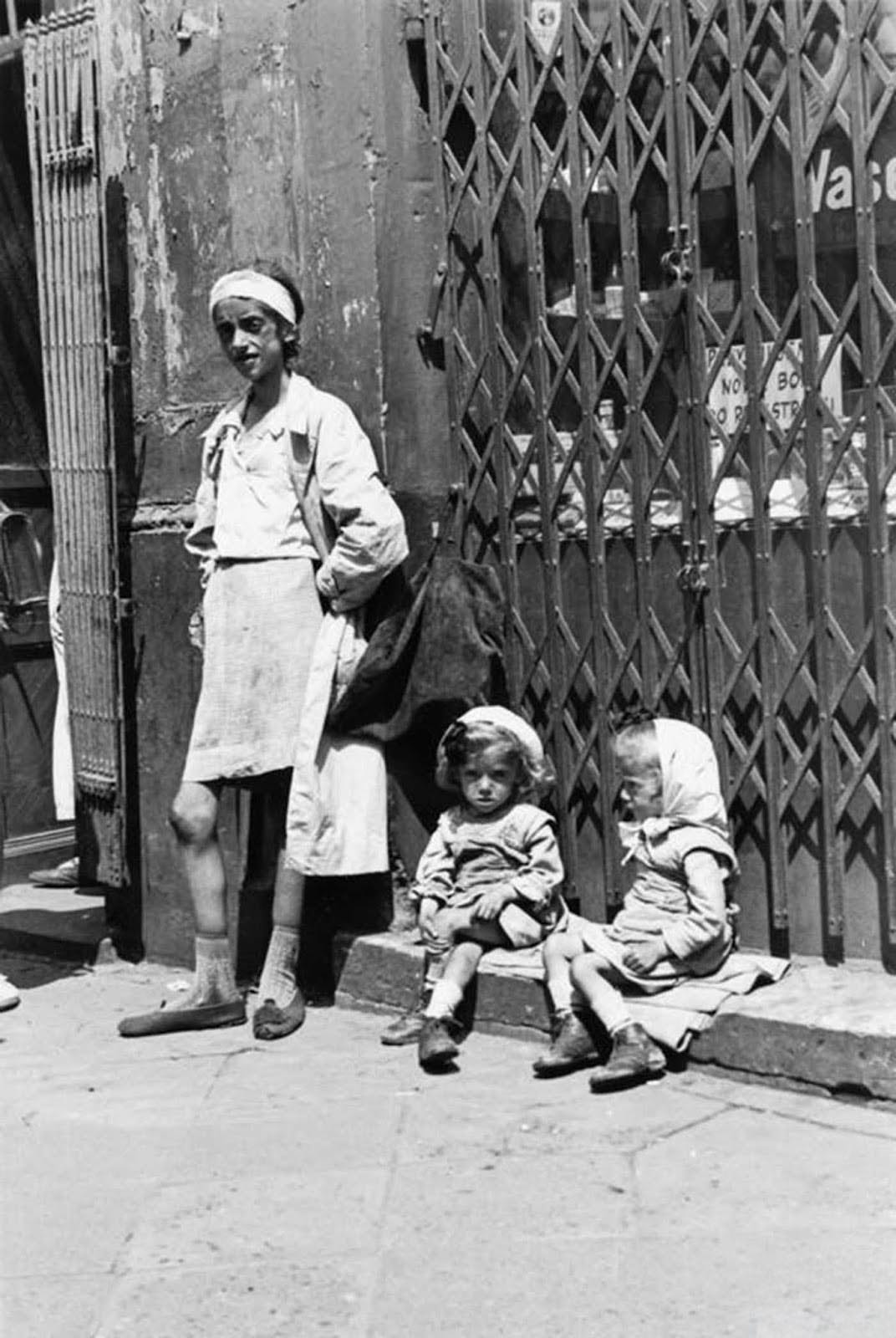
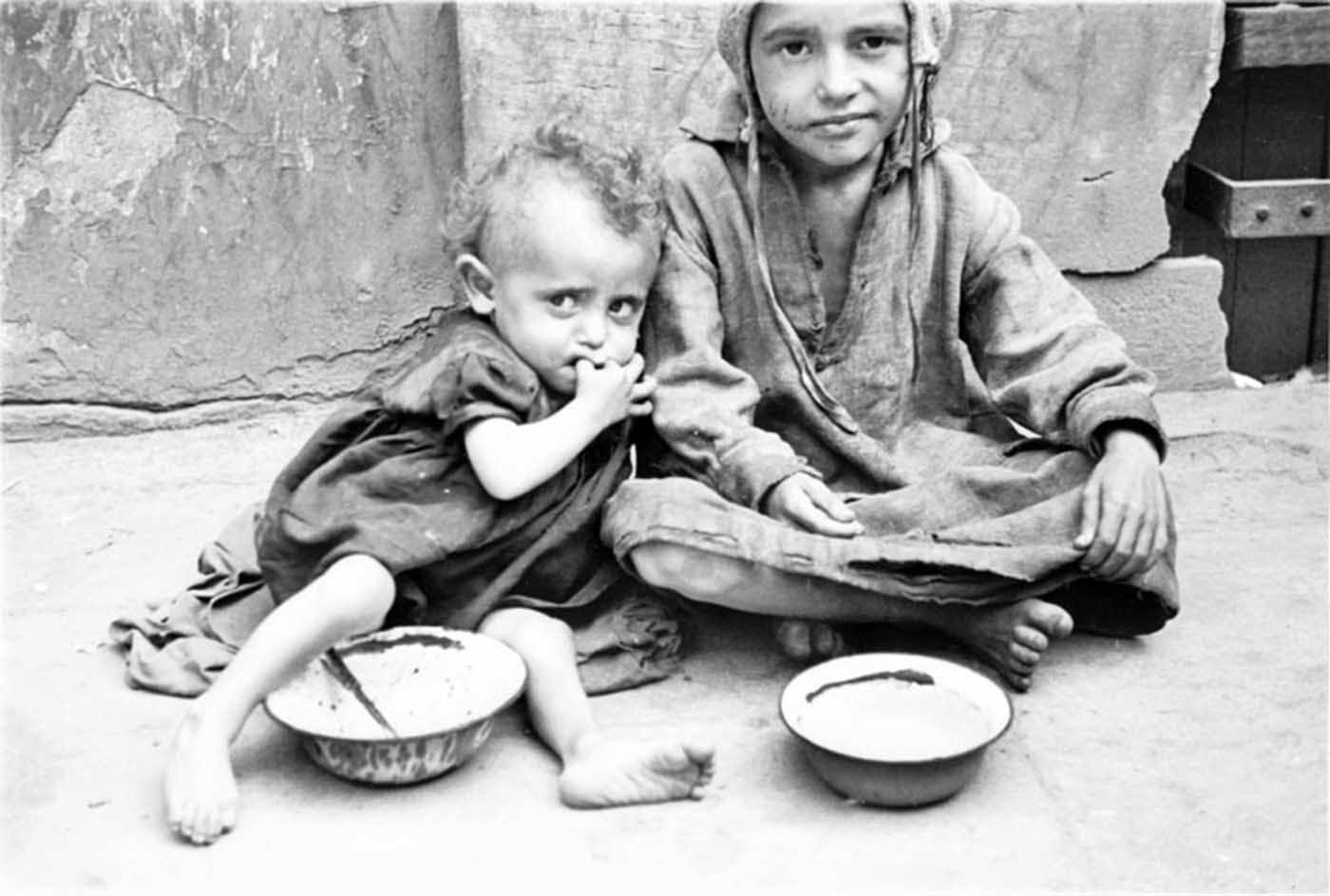
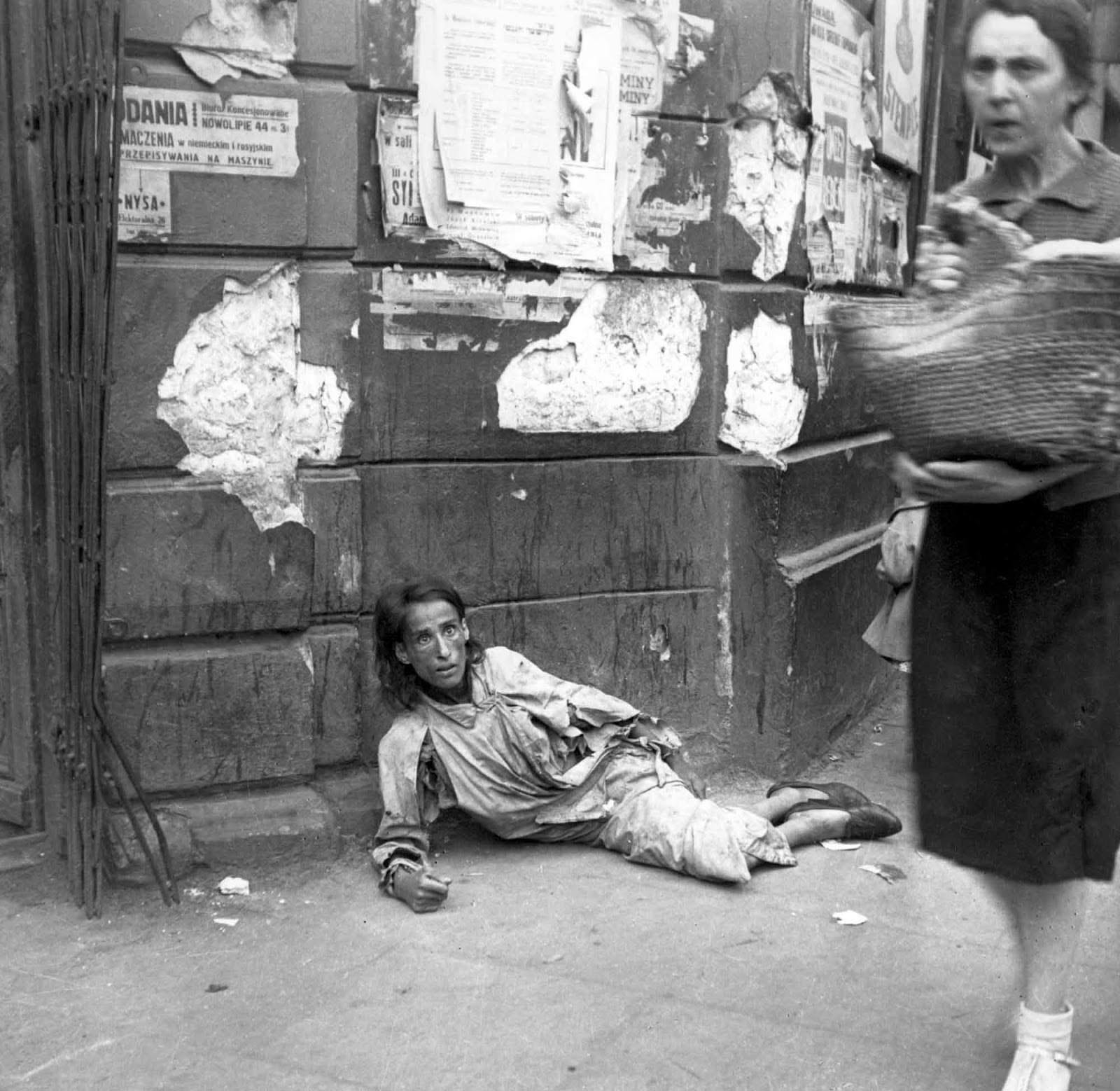
From the anonymous diary of a woman living in the ghetto in 1941: Words to Outlive Us: Eyewitness Accounts from the Warsaw Ghetto
Good afternoon sir. Albeit an assumption before I'm told I know nothing, I. 'D like to state that I speak from innumerable hours of accounts from 'survivors' and 55yrs of reading accounts of both sides. I must say the account here touches me via this young mans humanity.
I have enjoyed many of your accounts but no longer can I, in good conscience, continue to give the small amount I contribute for the biased conjecture I consistently find my intellect assaulted by. Of Germanic blood and in deep respect for the blood spilt, and taken by far better men than I but whose genes I carry. I would like to withdraw the pittance I contribute to your work.
As a computer 'luddite' I an unsure how to do this and so I have written to express my wishes and hope you would be so good as to facilitate my wishes. Thank you for your work, I wish you further good health and Gods blessings.
Simon Wilhelm Georg