

In March 1941, Vice-Admiral Lutjens had led Operation Berlin, a foray into the Atlantic by the German battleships Scharnhorst and Gneisenau, which sank 22 merchant ships, totalling over 113,000 tons, in convoy to Britain. The Kriegsmarine concluded that operations by ‘surface raiders’ were more than feasible alongside the war being fought by the U-boat arm. The Royal Navy concluded that it needed better surveillance of German capital ships that might enter the Atlantic.
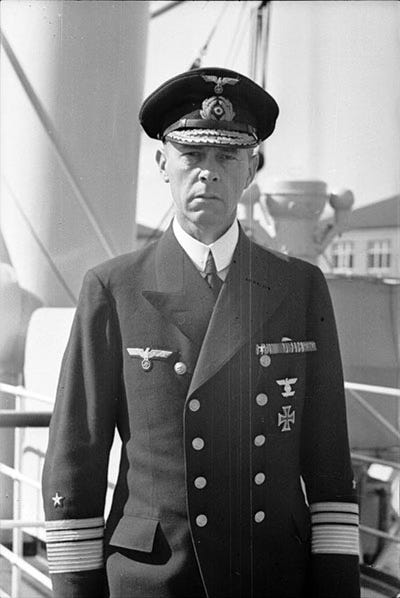
Lutjens was now asked to command Operation Rhine, a similar foray to be led by the new superbattleship, Bismarck. Lutjens argued that they should wait for Bismarck’s sister ship, Tirpitz, to become operational, then mount a combined operation with Scharnhorst and Gneisenau - a seemingly unstoppable force. Some witnesses suggest that Lutjens had a gloomy, fatalistic attitude when ordered to undertake the operation with just Bismarck, accompanied by Prince Eugen.
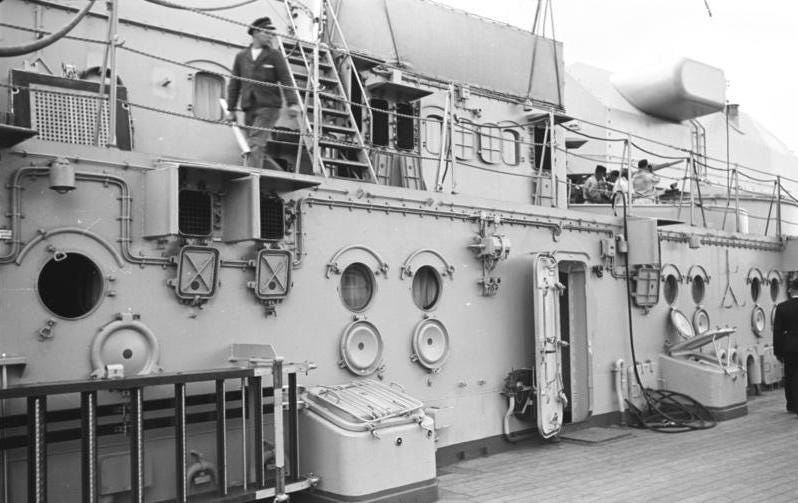
The German plan to break out into the Atlantic in secret, so as to mount surprise raids on merchant shipping convoys, never seemed to stand a chance. There were several indications that the Bismarck would attempt a breakout, including a recent increase in German reconnaissance of the Royal Navy base at Scapa Flow.
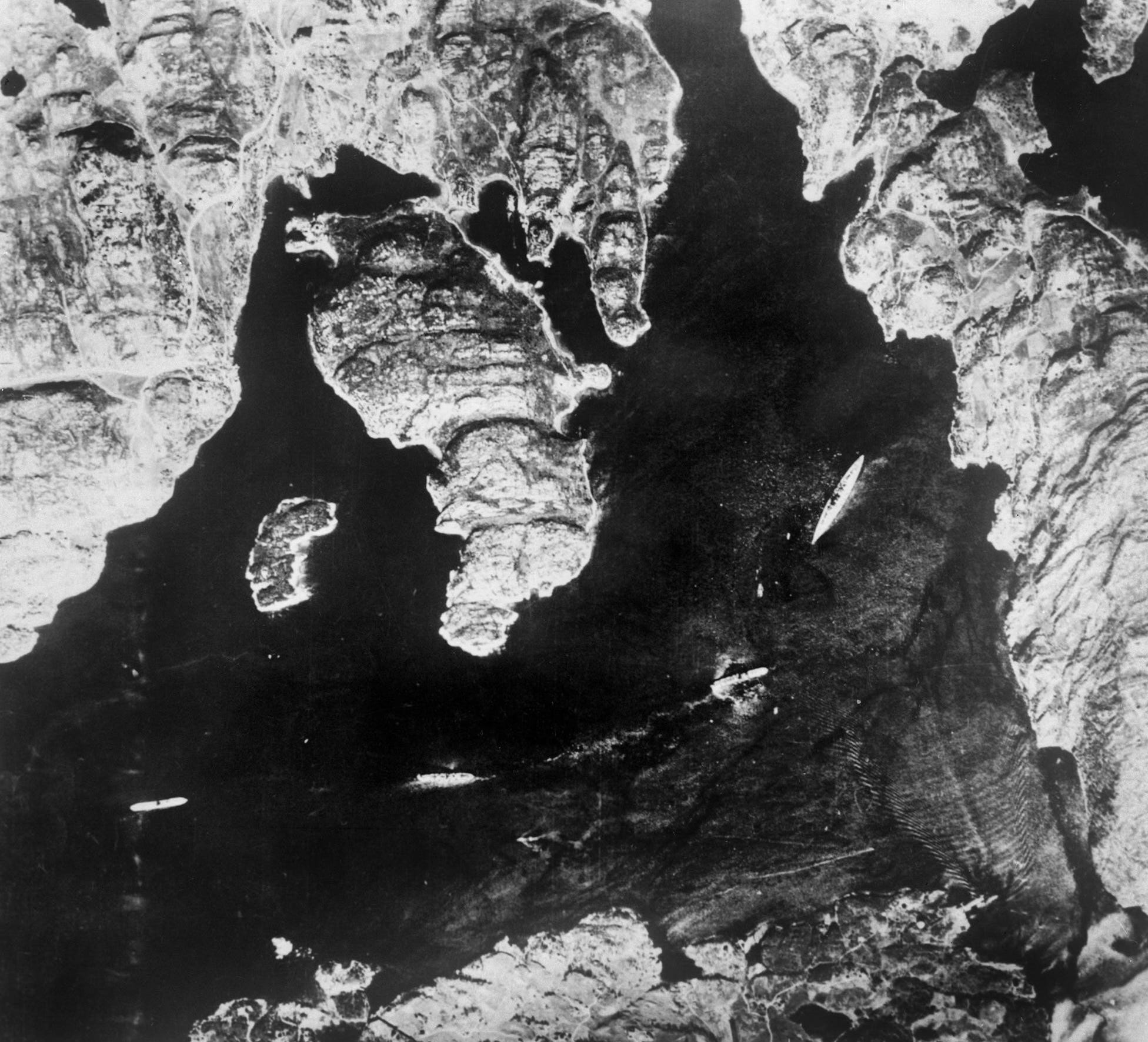
And the RAF, not just the Royal Navy, were on the case. Following tip-offs from contacts in Sweden and from the Norwegian resistance, reconnaissance flights were sent from RAF Wick in Scotland on 21st May.
