

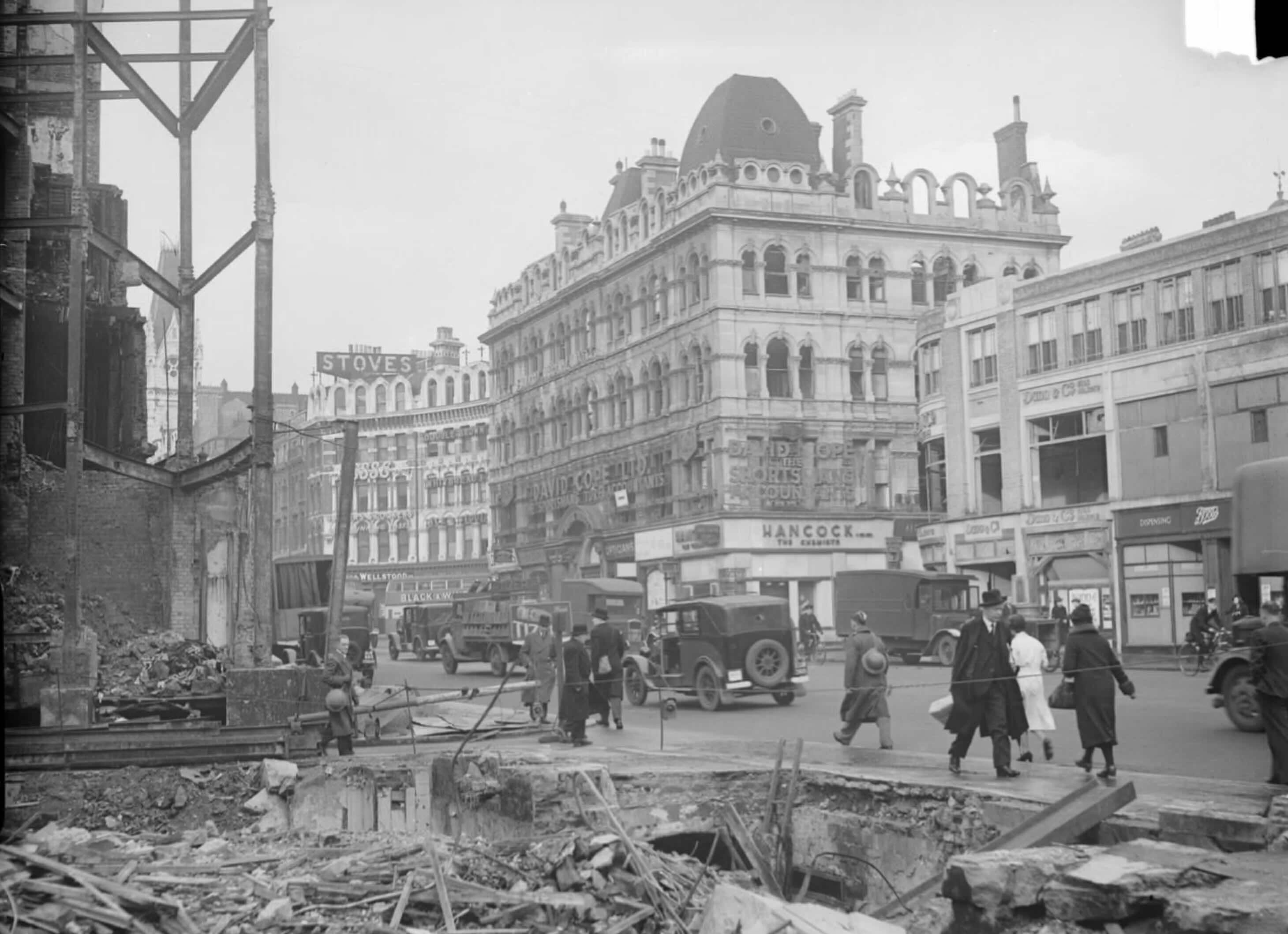
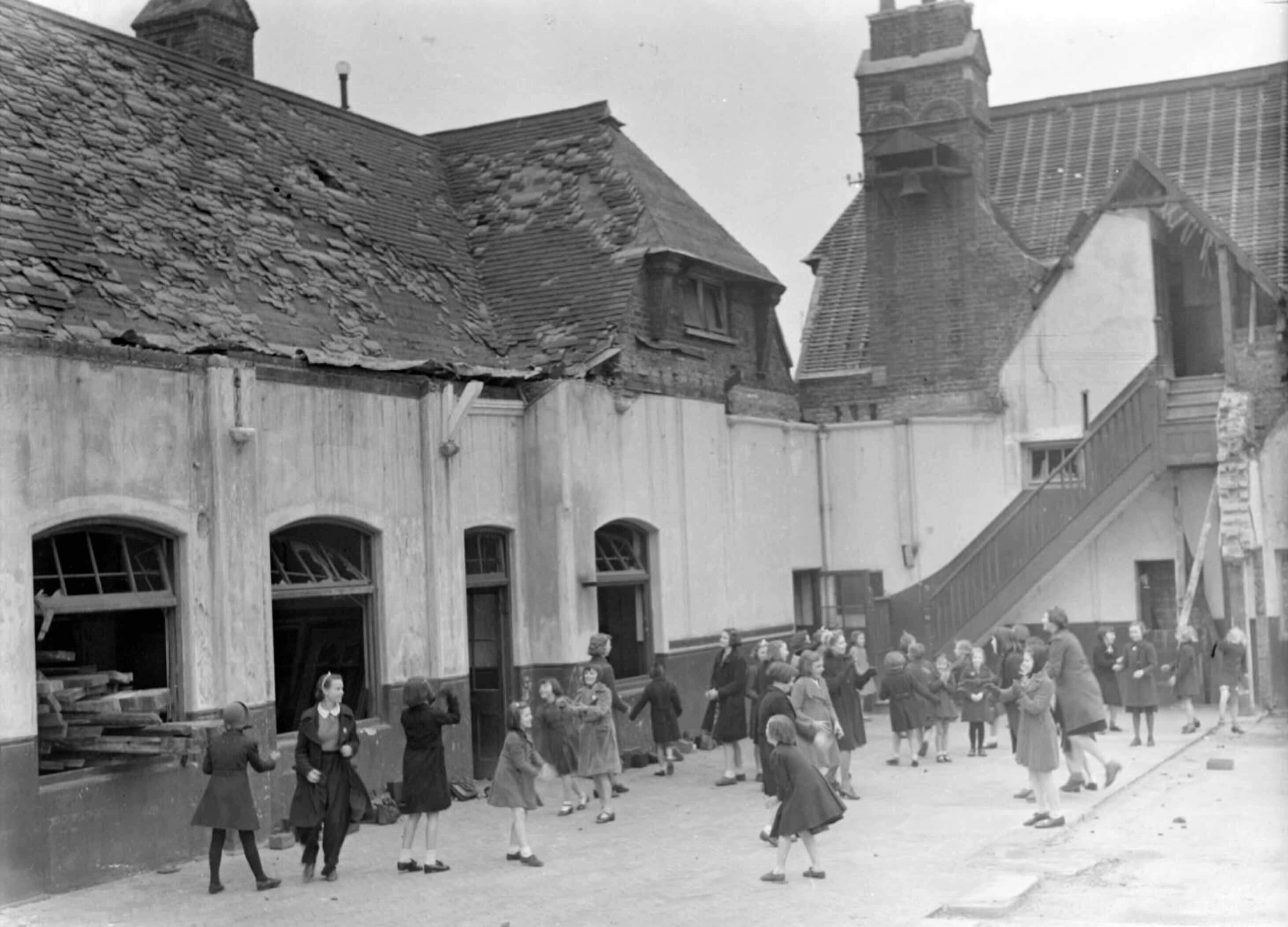
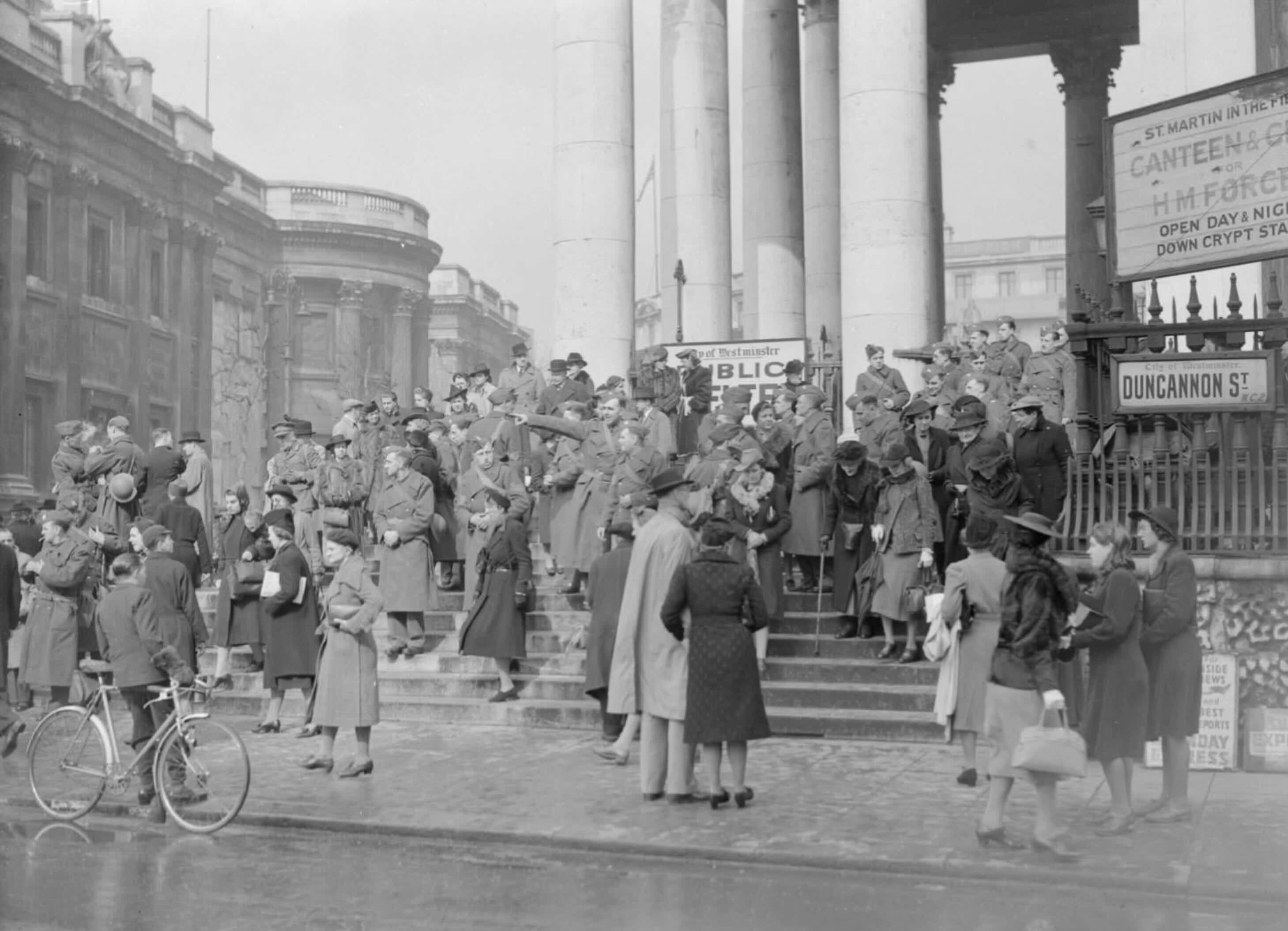
As Belfast came to terms with the raid on the night of the 15th/16th, the Luftwaffe returned to their bases and prepared for the following night. On the 16th/17th, London suffered one of the heaviest attacks since the war began.
Graham Greene, already a noted novelist, was working as an Air Raid Warden in central London. His impressions1 of the night convey the confusion and random horror as the bombs fell:
This was the worst raid Central London had ever experienced.
The sirens which usually don’t go before ten went at nine. I was drinking with Dorothy Glover, in the Horseshoe. We went out and tried to get dinner. Corner House full, Frascati’s closed. Victor’s closed. At the York Minster the chef was about to go home. Ended in the Czardas in Dean Street. Sitting next the plate-glass windows we felt apprehensive.
By ten it was obvious that this was a real blitz. Bomb bursts - perhaps the ones in Piccadilly - shook the restaurant. Left at ten thirty and walked back to Gower Mews. Wished I had my steel helmet. Changed, and went out with D, who was firewatching. Standing on the roof of a garage we saw the flares come slowly floating down, dribbling their flames: they drift like great yellow peonies.
At midnight reported at the post and went out on the north-side. At a quarter to two nothing had happened in the’district, and I planned to sign off at two thirty. Then the flares came down again right on top of us, as the Pole, Miss S (of Bourne & Hollingsworth) and I stood in Tottenham Court Road at the corner of Alfred Place.
A white southern light: we cast long shadows and the flares came down from west to east across Charlotte Street. Then a few minutes later, without the warning of a whistle, there was a huge detonation.
