

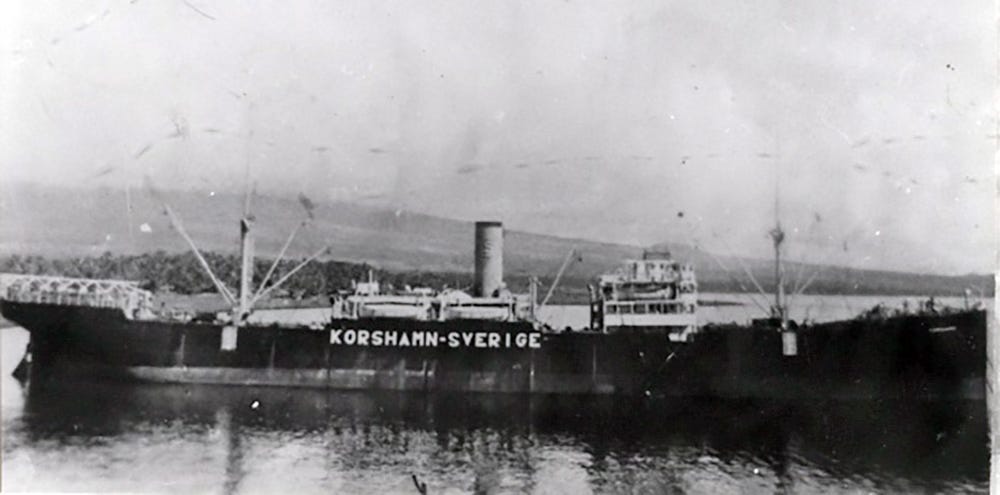
The night of 16th-17th March looked promising for U-99 and U-100. It was a foggy night with limited visibility. These were ideal conditions to make an attack on a convoy of merchantmen. The two captains, Otto Kretschmer in U-99 and Joachim Schepke in U-100 were well practiced at this art. Once they had got in amongst the ships of a convoy they could expect to launch a series of torpedo attacks from the surface with little risk of being seen, let alone of suffering a counter-attack.
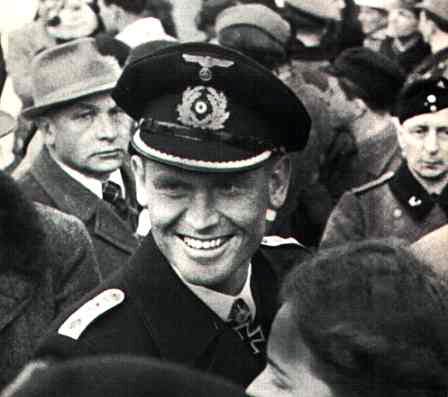
On the night of 21st-22nd September 1940 Schepke had sunk seven ships like this. He had immediately been awarded the Knights Cross and returned to Germany as a Nazi hero. On the night of 23rd November 1940 he had repeated this performance, sinking another seven ships. This time he was awarded the Oak Leaves to his Knights Cross. This put him in the premier league of the U-Boat aces. Schepke was notorious in the U-Boat arm for exaggerating his tonnage, “Schepke-tonnage” became a byword for exaggerated claims. His good looks earnt him the nickname Ihrer Majestät bestaussehender Offizier - Her Majesties Best Looking Officer - the term ‘Her Majesty’ was ironic.
But this dark night out in the North Atlantic south east of Iceland proved to be different. The Royal Navy was now introducing ‘R.D/F.’ - Radio Direction Finding - (later shortened to Radar) to its destroyers, giving them the ability to locate U-boats on the surface.
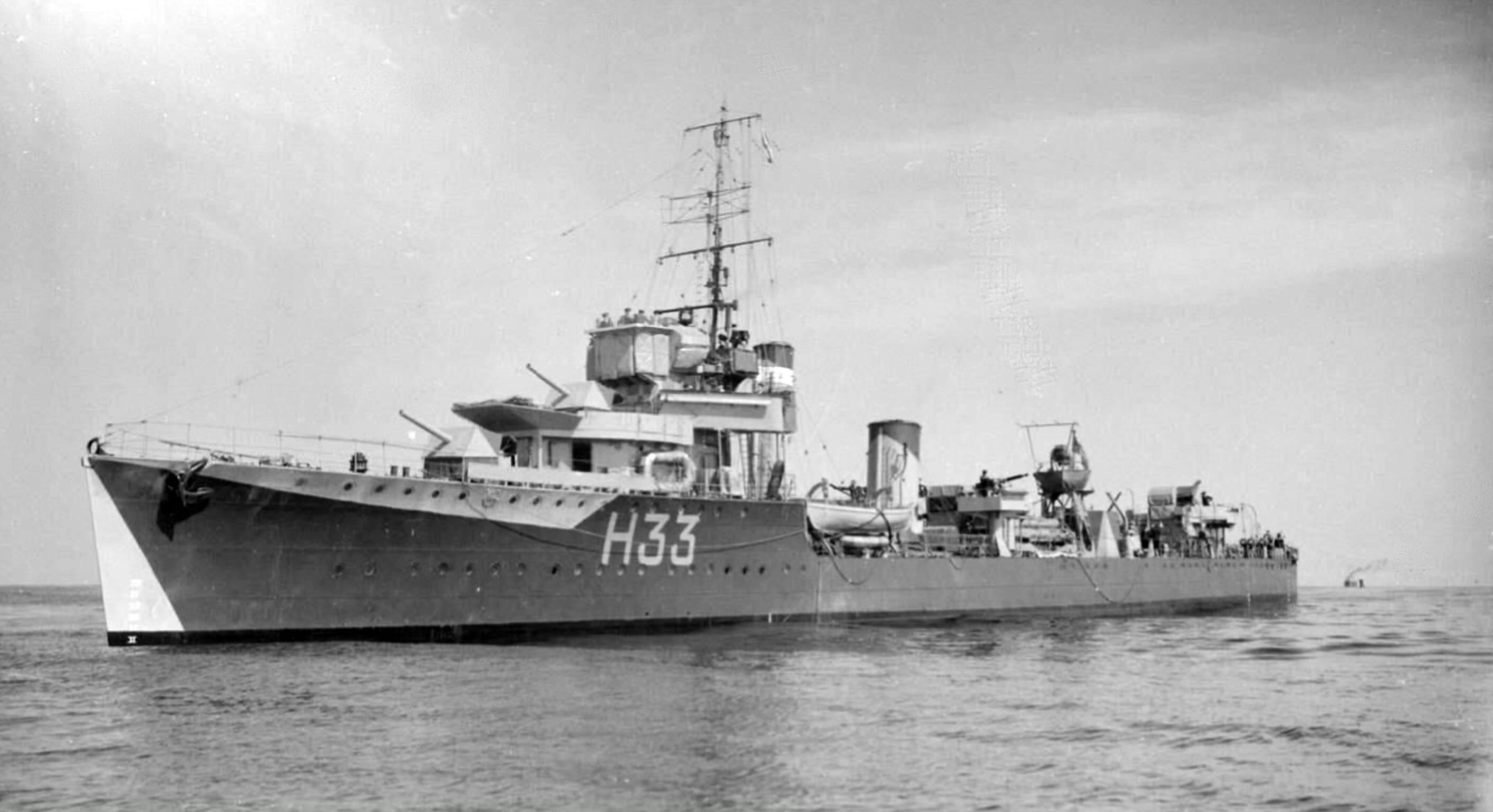
Royal Navy Intelligence reconstructed1 the events by interrogating the survivors:
For the second time [in the early hours of 17th March] a depth charge attack was made on “U 100.” Prisoners said that the first pattern of four or five depth charges exploded close to the U-Boat. The depth gauge was said to have been damaged, and a number of light bulbs were smashed. It was stated that they suffered further depth charging, and that extensive damage was caused in the U-Boat; all the pumps were put out of action, the instruments were all smashed, and the supply of compressed air gave out.
The captain thought that the British would hear the air escaping. The floor plates were wrenched loose, water entered the bilges, and it was feared that the hydroplanes were no longer functioning properly. The U-Boat sank deeper and deeper, as low as 230 metres (750 ft.), according to prisoners; the crew felt very cold, and expected the hull to crash in at any moment.
