

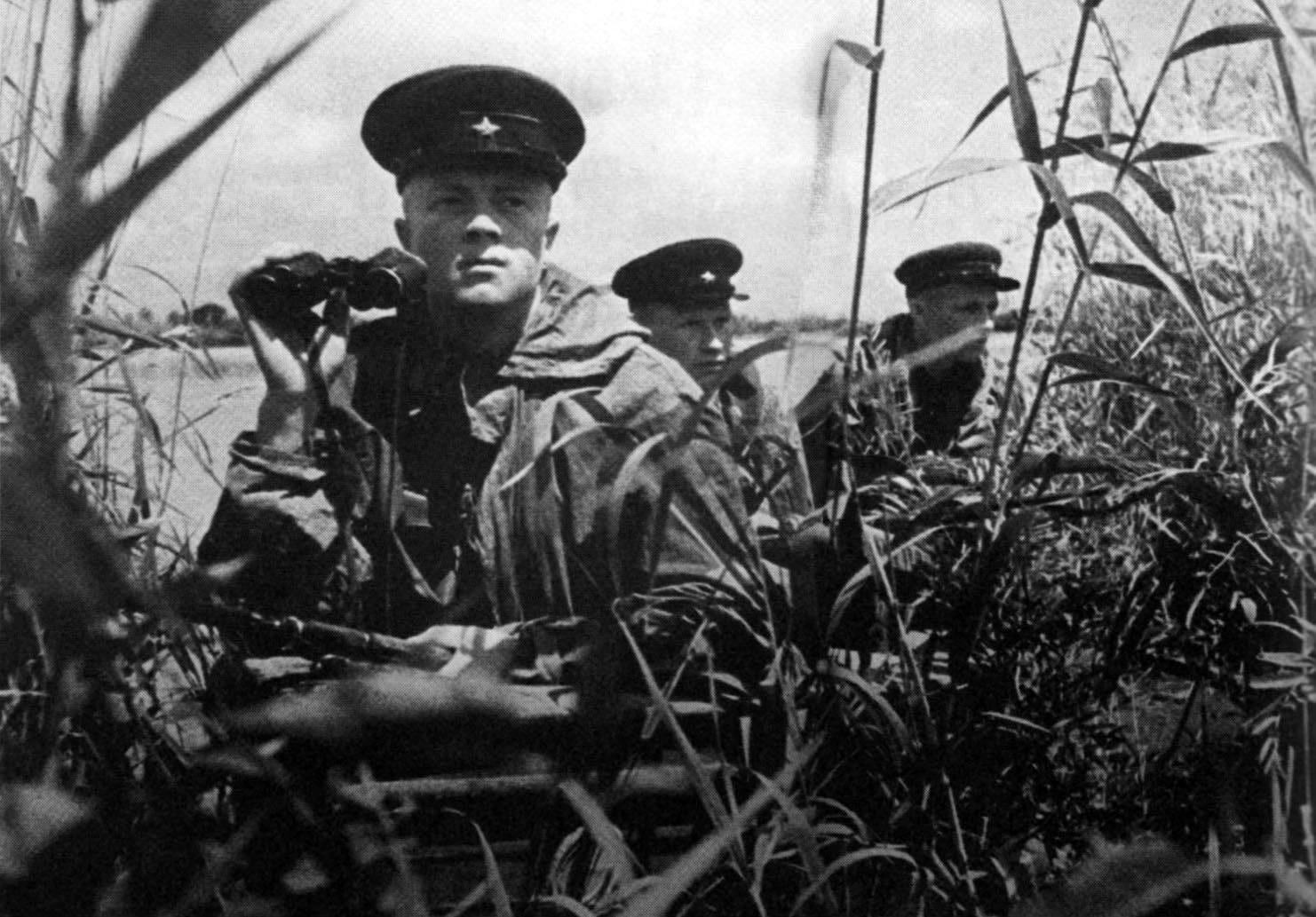
As a boy, Artem Drabkin would sit quietly while his father, a veteran of the Great Patriotic War against Germany, reminisced with former comrades about their wartime experiences. Fascinated Drabkin would go on to collect the memoirs and reminiscences of many former Soviet soldiers, seamen and airmen. The result was a series of books arranged around different aspects of the war in the East.
The first of these, chronologically, is Barbarossa Through Soviet Eyes: The First Twenty-Four Hours, published in translation in 2012. This is typical of Drabkin’s work, drawing on a wide range of sources to tell the story from multiple perspectives in different locations along the vast front that came under attack in the early hours of 22nd June 1941:
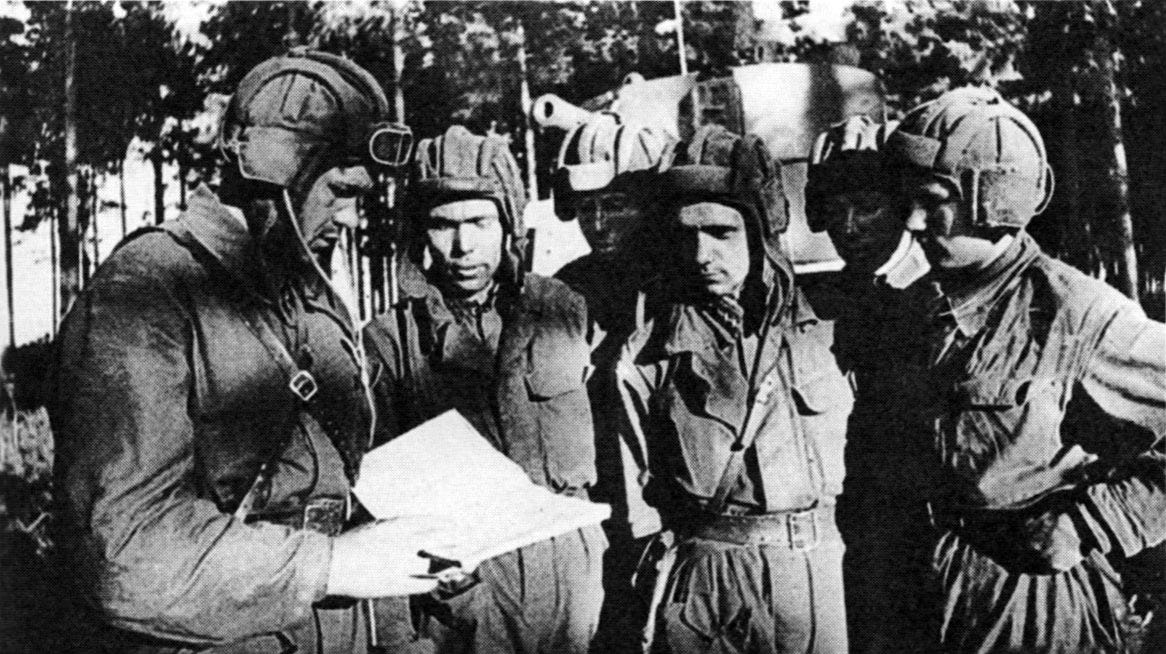
Soviet troops stationed in the Baltic republics were simultaneously attacked by two Panzer groups. Pavel Rotmistrov - a future marshal of armoured troops - remembers:
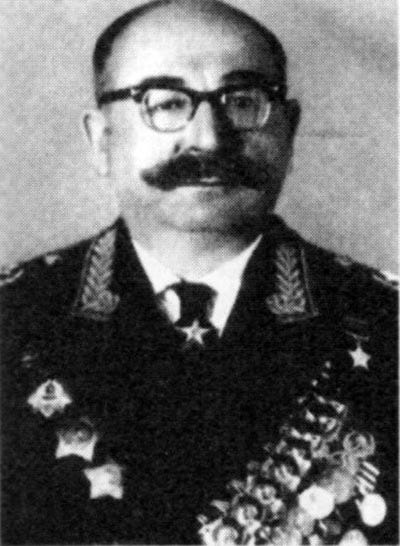
On 21 June, literally hours before the Fascist invasion of Lithuania, the Commander of the Baltic Special Military District, Colonel-General Fedor Kouznetsov, arrived at our location. Having hastily entered General Kourkin’s office - to whom I was reporting at that moment - Fedor Kouznetsov nodded in reply to our salutes and without further ado announced:
‘There is information that a sudden German invasion is likely within the next day or two.’
We glanced at each other in silence. Although premonitions of tragedy had plagued us for days, Kouznetsov’s statement overwhelmed us. ‘And what about the TASS announcement . . ?’ asked Alexei Kourkin in a daze. The Commander cut him short: ‘In reality, that was merely an external policy action and nothing to do with the true military situation.’
Kouznetsov - looking haggard and weary - wiped his face with a handkerchief: ‘No point discussing these problems now - we’ve got plenty of our own, which are important enough. Get the corps units out of camp and into the adjacent forests, ready for action. Do it under the pretext of a field drill.’
Alexei Kourkin asked for permission to regroup but Kouznetsov declined: ‘It’s too late for that - German aviation could hit your troops on the march.’ My own proposal to evacuate the families of commanders and political officers was also quashed: ‘Maybe it’s necessary, but we must bear in mind that such a measure would cause panic.’
...
[Meanwhile, the 129th Regiment of the Soviet Air Force only learnt of the imminent attack at the last moment]
Only two men remained outwardly quiet. They were the regimental commissar and the recently appointed regimental commander, Yuri Berkal: both understood the seriousness of the situation better than anyone. The time had come to show what the young fighter pilots were capable of.
Yuri Berkal scrutinised them: there were no signs of bewilderment or fear on their faces. Each knew his place, his job, and that was pleasing. Holding his anxiety in check, the regimental commander - coolly as if setting up a regular task for a training flight - said: ‘Three squadrons to provide cover for the towns of Ostrow-Mazowieckie, Zambrow and Lomzha, and the fourth - for our aerodrome.’ It was no secret that these towns were near the border. Beyond them was Poland and Germany...
The aerodrome began to buzz like a beehive. The observation flight of three planes took off. Yuri Berkal looked at his watch - 4.05 a.m. A white flag waved and the first squadron, then the second, the third and the fourth were in the air. Two groups of MiG-3s headed towards Ostrow- Mazowieckie and Zambrow, nine ‘Chaikas’ towards Lomzha, the other nine remained to cover the aerodrome.”
Already, 3 squadrons (12 MiG-3s and 18 I-153s) of the 129th FAR were aloft. Twelve Me-109s, which converged upon the aerodrome, failed to succeed and one of them was even considered shot down. The next raid of eighteen He-llls was also successfully repulsed. Three downed German planes were claimed after the dogfight. Pilots Anatoly Sokolov, Alexander Kouznetsov and Venidikt Nikolaev bagged one He-111 each. German sources don’t confirm the loss of these planes.
Having run out of fuel, the Soviet fighters closed in for landing under cover of the fourth (reserve) squadron. Nevertheless, the ‘conveyer belt’ of air raids would not stop, and could not be held in check. By 10 a.m., 27 MiG-3s, 11 I-153s and 6 training machines had burned out as a result of bomb raids and ground attacks on Tarnovo aerodrome.
Bomb explosions had made the airfield unusable for take-offs and landings so the 129th FAR’s commander decided to relocate.
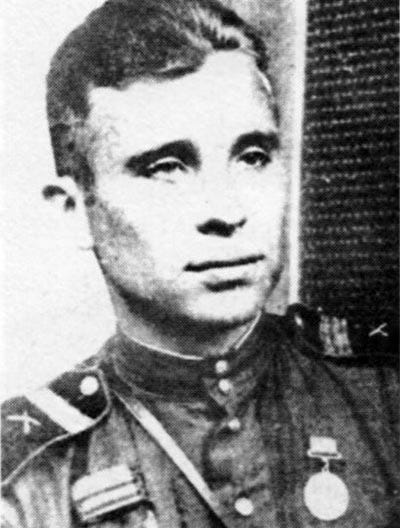
Vsevolod Olimpiev, commander of the Telephone Section of the Signals Company, 9th IAD HQ, remembers:
On 21 June 19411 was already snoozing with the Sunday leave warrant in my pocket, when I heard the orderly bark: ‘Take up your arms!’ I glanced at my watch - it was about 2 a.m. The company quickly lined up in the HQ backyard. The battle alarm hadn’t surprised us, for a regular drill had been anticipated. Uncommon orders - setting up an aerial observation post on the tower of the HQ building, getting battle ammo and hand grenades, loading the reserve stock of cable in a car - were perceived as simulating real combat conditions. I was young and inexperienced, and did not suspect the worst.
My section began its customary work in the darkness of a moonless night, wiring a field telephone to a reserve command post, located at a farmstead several kilometres away from town. It was almost fully light when our special truck - designed to unwind cable - reached a military aerodrome on the outskirts of town. All was quiet. Our attention was caught by 37mm guns hidden in caponnieres along the airfield, guarded by crews with helmets and armed with carbines. Such semi-automatic flak guns were a novelty back then. Our vehicle was no more than half a kilometre away from the aerodrome when we heard explosions and machine-gun bursts.
Having looked back, we saw planes diving on the aerodrome, glittering tracers of shells and bullets, bomb blasts. The terrible reality became clear to us when black crosses became visible on a bomber pulling out of a dive above us.
The first half of 22 June I was on duty by the telephone at the command post of the commander of the 9th IAD, Hero of the Soviet Union, General-Major Chernykh. Telephone communications with aviation regiments stationed in different towns of the Bialystok Oblast, and on field aerodromes along the border, had been interrupted [. . .]
Communications with some regiments were established via radio. As judged from Chernykh’s gloomy face, the news was bad. Gradually, the terrifying reality was emerging: most of our planes had been destroyed on the ground by bombing raids or strafing from the air - even by artillery fire. Nevertheless, aerial combat was conducted all day long above Bialystok by flights on duty, and all those who had managed to take off . . .
I spent the second half of this tragic day in a roadside ditch just outside town. A big armoured unit sped past, heading west, and tearing our telephone cable in several places. With great difficulty, I managed to restore communications with divisional HQ, which possibly saved my life.
All aviation units had been ordered to quit town immediately and retreat eastward.
At the end of the day, I received a telephone order to leave everything behind and get back to HQ. as soon as possible. Two dramatic pieces of news awaited me there. All aviation units had been ordered to quit town immediately and retreat eastward. Such a decision was definitely justified, not only by huge losses of aircraft, but also by the rapid advance of German tank units trying to encircle Bialystok from north and south.
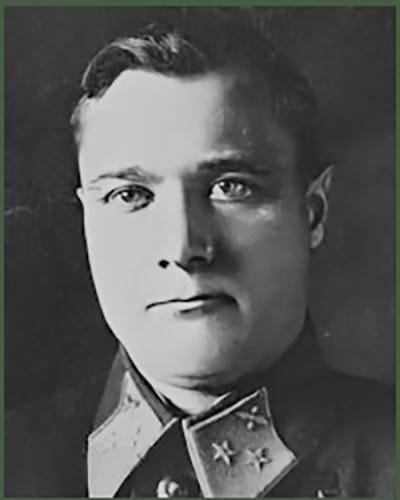
The second news was no less overwhelming: the Air Force Commander of the Baltic Special Military District, General Ivan Kopets, had shot himself. I used to come across him at divisional HQ_- a tall, young, general in leather overcoat remained in my memory. Apparently, he was one of those who had understood his responsibility for the destruction of the District Air Force, which was to tell fatefully upon our military failures of the summer and autumn of 1941.
Late in the evening of 22 June, a long column left Bialystok and was far beyond the city by early Monday morning. Only servicemen with blue-collar badges were in the vehicles - pilots without planes, aviation technicians, signallers, commissaries. Thus my long wartime journey began …
© Artem Drabkin, Alexie Isaev, Christopher Summerville 2012, ‘Barbarossa Through Soviet Eyes: The First Twenty-Four Hours’. Reproduced courtesy of Pen & Sword Publishers Ltd.

Affiliate Links
Recently on World War II Today ...
